16 Jan 2016

PERSONS - Minamoto Yoshitsune Ushiwakamaru

[ . BACK to DARUMA MUSEUM TOP . ]
. Legends and Tales from Japan 伝説 - Introduction .
::::::::::::::::::::::::::::::::::::::::::::::::::::::::::::::::::::::::::::::::::::::::::::::::::::::::::::::::::::::::::::::::::::::::::::::::::::::::::::::::::::::::::::::::::

牛若丸 Ushiwakamaru 源の義経 Minamoto no Yoshitsune
(1159 - 1189)
Shanaoo, Shanaō 遮那王 Shanao (his boyhood name at Kurama)
Hoogan 判官 Hogan (his court title)


Ushiwakamaru and Benkei at the Gojo Bridge in Kyoto 京の五条の橋

- quote
a general of the Minamoto clan of Japan in the late Heian and early Kamakura period. "It is evident that Yoshitsune had a genius for offensive warfare...and although Yoshitsune had no knowledge of naval warfare he had the advantage of an acute strategic insight and a quick eye for tactical chances.
..... He was put under the care of Kurama Temple (鞍馬寺), nestled in the Hiei Mountains near the capital of Kyoto,
..... The fight between Ushiwakamaru and the bandit chief 熊坂長範 Kumasaka Chohan in 1174. Yoshitsune was only 15 when he defeated the notorious bandit leader.
..... In 1180, Yoshitsune heard that Yoritomo, now head of the Minamoto clan, had raised an army at the request of Prince Mochihito to fight against the Taira clan (also known as the Heike) which had usurped the power of the emperor. Yoshitsune shortly thereafter joined Yoritomo, along with Minamoto no Noriyori, all brothers who had never before met, in the last of three conflicts between the rival Minamoto and Taira samurai clans, known as the Genpei War.
Yoshitsune defeated and killed his rival cousin Minamoto no Yoshinaka at the Battle of Awazu in Ōmi Province in March 1184 and then defeated the Taira at the Battle of Ichi-no-Tani in present-day Kobe. In 1185, Yoshitsune defeated the Taira again at the Battle of Yashima in Shikoku and destroyed them at the Battle of Dan-no-ura in present-day Yamaguchi Prefecture.
Yoshitsune was subsequently named Governor of Iyo.


..... However
the death of Yoshitsune has been very illusive. According to Ainu historical accounts of Yoshitsune's death it is said he did not commit seppuku and instead escaped to Hokkaido and acquired the name of Okikurumi/Oinakamui. Moreover, in Hokkaido the Yoshitsune Shrine is erected in the town of Biratori also known in Ainu as Pira Utur (ピラウトゥル).
Another
famous Japanese theory of Yoshitsune's whereabouts after evading death comes from the idea that Yoshitsune made his way past Hokkaido by sailing to the mainland continent of Asia and became Genghis Khan.
..... Yoshitsune has long been a popular figure in Japanese literature and culture due to his appearance as the main character in the third section of the Japanese literary classic Heike Monogatari (Tale of the Heike). The Japanese term for "sympathy for a tragic hero", Hōgan-biiki (判官贔屓 lit. Hōgan favor), comes from Yoshitsune's title Hōgan, which he received from the Imperial Court.
© More in the WIKIPEDIA !

:::::::::::::::::::::::::::::::::::::::::::::::::::::::::::::::::::::::::::::::::::::::::::::::::::::::::::::::::::::::::::::::::::::::::::::::::::::::::::::::::::::::::::::::::: 

- - - - - Persons related to Yoshitsune

. Yoshitsune and his loyal retainer, Musashibo Benkei 弁慶 .

. Ushiwakamaru and Joruri Gozen 浄瑠璃御前 .
Yoruri Hime 浄瑠璃姫 Princess Joruri in Aichi

. Kaneuri Kichiji 金売吉次 / 吉次信高 / 橘次末春 / 金売り吉次 .
Gold merchant of Kyoto, he brought Ushiwakamaru to Hiraizumi.

. Kumasaka Choohan 熊坂長範 Kumasaka Chohan .

. Ushiwakamaru and Minatsuru-hime 皆鶴姫 .
at the temple 観音寺 Kannon-Ji in Kesennuma, Miyagi

. With Shizuka Gozen 静御前 at Mount Yoshino 吉野山 .
Futari Shizuka 二人静
Yoshitsune Senbon Zakura 義経千本桜 Yoshitsune and the Thousand Cherry Trees, Kabuki play

Tokiwa Gozen 常磐御前 Lady Tokiwa - His Mother (1123 - ?1180)

..............................................................................................................................................
- - - - - Places related to Yoshitsune

. Aikyoo-In 愛敬院 Aikyo-In - Miyagi .
Minamoto Yoshitsune is said to have passed here on his travels up North to Hiraizumi.

Gikeiji 義経寺 Gikei-Ji at Minmaya 三厩村 - Dragon Horse Temple 龍馬山 Iwate
GIKEI is another reading for Yoshitsune

. Hiraizumi 平泉 in Michinoku / Tohoku .
Fujiwara no Hidehira 藤原秀衡 (1122? - 1187)
He offered shelter to the young Minamoto no Yoshitsune, who was escaping Kyoto.

. Kurama yama 鞍馬山 Mount Kurama in Kyoto .

. Noma Daibo 野間大坊 Omido temple .
the place where Minamoto no Yoshitomo, the father of Yoritomo and Yoshitsune, was killed
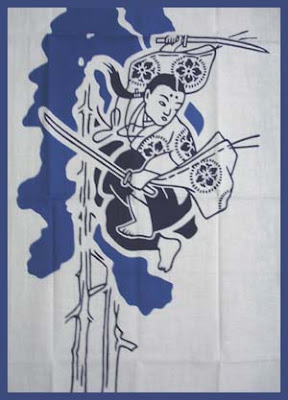

CLICK for original link . kanshin.com
Ushiwakamaru 牛若丸

..............................................................................................................................................
- - - - - Food related to Yoshitsune

. Dorayaki (どら焼き, どらやき, 銅鑼焼き, ドラ焼き) .

. Ushiwaka mochi 牛若餅 Ushiwaka rice cakes  
Named after Minamoto no Yoshitsune in his boyhood (Ushiwaka, the one as strong as a bull), when he was trained at the Kurama Mountain Temple by the Forest Goblins (tengu).

. Yoshitsune raamen 義経ラーメン Yoshitsune ramen soup .


..............................................................................................................................................
- - - - - Folk art related to Yoshitsune


CLICK for more samples of dolls !

. Kokeshi, こけし / 小芥子 / 子消し wooden doll .

. Nagoya karakuri ningyoo 名古屋 からくり人形 from Aichi .
Ushiwaka and Benkei 牛若 弁慶


. Surugadako, Suruga tako 駿河凧 kite from Suruga .
. . . . . with Ushiwakamaru 牛若丸

tako 義経 弁慶 凧 kites with Yoshitsune and Benkei
. . . CLICK here for more Photos !


::::::::::::::::::::::::::::::::::::::::::::::::::::::::::::::::::::::::::::::::::::::::::::::::::::::::::::::::::::::::::::::::::::::::::::::::::::::::::::::::::::::::::::::::::


Yoshitsune and Benkei viewing Cherry Blossoms
Tsukioka Yoshitoshi (1839-1892)

::::::::::::::::::::::::::::::::::::::::::::::::::::::::::::::::::::::::::::::::::::::::::::::::::::::::::::::::::::::::::::::::::::::::::::::::::::::::::::::::::::::::::::::::::

- - - - - Yoshitsune and his horses 義経の馬 - - - - -

kataha no ashi 片葉の葦 one-sided reed
In 福島県 Fukushima, 鹿島町 Kashima, in the hamlet 栃窪 Tochikubo there lived a farmer named 久七 Kyushichi who had many fine horses. His most vital and strong one was 太夫黒 Tayu-guro. It often roamed the mountain of 立石山 Tateishiyama and came to the pond Mano no Ike 真野の池 to feed on the reeds.
Often it did not come home for the night. It even had a web for swimming like a duck at his legs (mizukaki 水掻き).
The horse grew up to a superb animal and Kushichi presented it to the Lord, 藤原秀衡 Fujiwara no Hidehira. Hidehira gave it to Yoshitsune when the young man left for the war.
Since Tayu-guro used to eat only the leaves of one side of the reeds, they were soon called "one-sided reeds".


Tayuuuguro 太夫黒 Tayuguro, Tayu-guro .
He rode at the Hiyodorigoe 鵯越 crossing the Hiyodori Pass 鵯峠  (near Kobe, Rokkosan).


Utagawa Hiroshige 歌川広重

Yoshitsune Climbing Up the Rough Part of Hiyodori Pass
Yoshitsune's daring descent from Hiyodori Pass in his surprise attack against the Heike.
..... fierce fighting starts at Ikuta-no-mori and Ichi-no-tani, but neither side is able to gain a decisive advantage. Yoshitsune’s cavalry descends a steep slope at Hiyodori Pass decisively attacking the Taira from the rear.
The Taira panic and flee to the boats.....
- reference -

There is another legend about the end of Taiyu-Guro from Kagawa, 志度町 Shido town.
When lord 佐藤継信 Sato Tsugunobu (1150 - 1185), one of the 義経四天王 four brave retainers of Yoshitsune, gave his life to save his Master, Yoshitsune came to his grave to mourn for him. He asked 覚阿上人 Saint Kakua from the temple Shido-dera to perform the rites for Ysugunobu. To show his gratitude, he also gave Kakua his beloved horse, which was a gift to Yoshitsune from the Emperor. The priest Kakua 覚阿上人 cared for the horse at the temple 志度寺 Shidodera, but after the events at Hiyodori Pass, it was given to 極楽寺 at nearby 鴨部馬次 Kabe, Umatsugi.
The horse lived there for a while and then suddenly and then run away one day.
The priest was in great worry about loosing this famous imperial horse and all villagers began to search for it. Finally they found it dead in front of the grave of Tsugunobu
So the priests held another great ritual for the horse and built a grave mound for Yoshitsune's Taiyu-guro, very close to 牟礼の王墓 Mure no Ohaka, the grave mound of the son of 景行天皇 Emperor Keiko Tenno, the Lord of Sanuki no Kuni, 神櫛王 Kangushi.
Kangushi no Ohaka 神櫛(かんぐし)王墓 Grave of King Kangushi

Satō Tsugunobu
Japanese warrior and the brother of Satō Tadanobu.
Tsugunobu died in the Battle of Yashima, while protecting Minamoto Yoshitsune from an arrow shot of Taira no Noritsune by riding between Yoshitsune and Noritsune. Tsugunobu was buried in Mure, Kagawa by Taira no Noritsune himself.
Tsugunobu and his brother Tadanobu "were 'given' to Yoshitsune by Fujiwara no Hidehira when Yoshitsune left Oshu to join Yoritomo.
Tsugunobu is mentioned in Hagakure in the passage about martial valor.
- source : wikipedia -


. Shidodera 志度寺 Shido-Dera (Shido-Ji) .
Shikoku Henro Temple Nr. 86


.......................................................................
Nara 吉野郡 Yoshino district

In the mountains of 大台山 / 大台ヶ原山 Odaigahara Yama there is a horse of Yoshitsune.
But in reality it is a huge kamoshika 羚羊 (大かもしか) Japanese serow
Rupicapra rupicapra. Gemse, Gams.

Ipponashi, the horse of Yoshitsune - BUT 一本足は義経の馬であった - が

Obamine no Ipponashi 伯母峯の一本足 ?His horse Ipponashi
- 一本足は義経の馬であったが、人を食うようになったので家臣に鉄砲で射られた。そして熊野の湯へ養生に行った。使われた鉄砲は正月の何日かに格闘を思い出して汗をかくという。
- 一本足は、寝ない子を脅すときに母親が用いたりする。一本足は義経の馬との混合型であるとも言われる。

Ippondatara, Ippon-datara 一本ダタラ - Ippon tatara
at the pass 伯母峠 Obamine
in Wakayama, 北山村
伯母峠に一本ダタラと呼ばれる、片目片耳の馬のような姿をした恐ろしいものがいて、義経の放った馬の化身だと言われた。普通の人は襲ったが、郵便屋さんは襲わない。特に12月20日に伯母峠を通るといけない。

奈良県の南部、大台ヶ原山から北西に、経ヶ峰(きょうがみね)、伯母ヶ峰(おばがみね)と高く険しい山々が続き、やがて少し緩やかな伯母峰峠へ。
かつて、この峠を、吉野と熊野を結ぶ東熊野街道が通り、最大の難所と恐れられていた。急坂と冬の深雪、しかも、「一本足のたたら」と呼ばれる妖怪も出没したというのだ。
その昔、峠の南、天ヶ瀬に住む射場兵庫(いばひょうご)という鉄砲の名人が犬を連れ狩りに出た。と、山の中で何かが動いた。背中一面に熊笹を茂らせた大猪だった。鉄砲を撃つ。確かに獲物を射止めた手応えはあったが、なぜか動物の姿はなく、血の跡だけが残っていた。
数日後、熊野の湯の峰に、足を傷)めた一人の野武士が湯治に来た。彼は宿の主人に「部屋をのぞくな」と固く言ったが、不審に思った主人がそっと中をうかがうと、寝ていたのは、背に熊笹を生やした大猪だった。主人の驚きの声に目を覚ました大猪の亡霊は、姿を消した。 (※1)

その後、伯母峰峠あたりで一本足の妖怪が村人や旅人を喰うという噂が広まった。目が一つで、大きな赤い口。丸太のような足が一本。やがて街道はさびれ、旅人は難儀した。そこで、丹誠(たんせい)という徳の高い僧が法力で妖怪を封じ込めた。 (※2)ただ、12月20日だけは妖怪の自由に任せるという約束で、今も「果ての20日は峠を通るな」と言い伝えられている。
- source : enyatotto.com/oodai -


Now Ippon-Datara is a Yokai monster.
Ippon-Datara is a Persona of the Hermit arcana. It specializes in Darkness element attacks.

- quote -
According to some stories, an Ippon Datara is a very skillful blacksmith, giving them two possible origins:
-- Ghost of a blacksmith banished from his village (losing an eye or a limb wasn't uncommon hazard).
-- Manifestation of Ameno-me-Hitotsu, kami of the forge, metalcraft, and blacksmithing.

User with this ability either is or can transform into a Ippon Datara, one-legged mountain spirit with appearance of either human-like or a huge pillar. Regardless they have a single eye on like a Cyclops, a massive body and only one leg. Normally they don't show themselves to humans and let only their presence be felt, but at certain times they may become aggressive.
- source : powerlisting.wikia.com -


. - yookai, yōkai 妖怪 Yokai monsters - Introduction - .

.......................................................................
Nara 吉野郡 Yoshino district 龍門村 Ryumon mura

akuryyoo 悪霊 evil spirit
Yoshitsune camped at the pondside 義経淵 Yoshitsunefuchi in the open and was ?killed by the enemy. To our day this place is haunted by evil spirits.
On the rock there are the remains where Yoshitsune slept and where his horse slept.
義経淵は、義経がここで野宿して敵に殺された.

奈良吉野の蹴抜の塔(隠れ塔)
- source : yositune1189 源義経大辞典 -

::::::::::::::::::::::::::::::::::::::::::::::::::::::::::::::::::::::::::::::::::::::::::::::::::::::::::::::::::::::::::::::::::::::::::::::::::::::::::::::::::::::::::::::::::


. Legends and Tales from Japan 伝説 - Introduction .

.......................................................................
Fukushima 白河市 Shirakawa

sakura no tsue 桜の杖 walking stick from cherry wood
In the 10th month of the year 1180 the local regent 信夫庄司 Shinobu Shoji Satō 佐藤元治 Sato Motoharu had his two children,
嗣信 Tsugunobu and 忠信 Tadanobu become retainers of Yoshitsune.
As a proof of their loyalty he planted a stick of cherry wood in the ground and spoke:
"If my two sons will be loyal to Yoshitsune, this stick will grow into a tree.
Otherwise this stick will wither away!"

「わが子が君に忠であれば生きよ、さもなくば枯れよ」
The stick grew into a beautiful cherry tree and was called 庄司戻し桜 Shoji modoshi sakura.

Tsugunobu (1158 – 1185) was killed at Yashima, in Kagawa prefecture, protecting Yoshitsune from an arrow by the enemy Taira no Noritsune.
Tadanobu (1153 - 1186) was killed in Kyoto. Both were killed in defense of Yoshitsune.


The tree withered later but was replanted.

Matsuo Basho, Oku no Hosomichi 奥の細道
- - - Station 14 - Sato Shoji, Satoshoji 佐藤庄司 旧跡 - - -


"Crossing the ferry of Moon Halo, I came to the post town of Rapid's Head.
The ruined house of the brave warrior Sato was about a mile and a half from this post town towards the foot of the mountains on the left. I pushed my way towards the village of Iizuka, and found a hill called Maruyama in the open field of Sabano. This was the site of the warrior's house. I could not refrain from weeping, when I saw the remains of the front gate at the foot of the hill. There was a lonely temple in the vicinity, and tombs of the Sato family were still standing in the graveyard. I wept bitterly in front of the tombstones of the two young wives, remembering how they had dressed up their frail bodies in armor after the death of their husbands. In fact I felt as if I were in the presence of the Weeping Tombstone of China.
I went into the temple to have a drink of tea. Among the treasures of the temple were the sword of Yoshitsune and
the satchel which his faithful retainer, Benkei, had carried on his back."

Ioji-temple 医王寺 and the Sato family
Tomb of the Sato brothers
. - - - Station 14 - Remains of Sato Shoji, Satoshoji 佐藤庄司 旧跡 - - - .

..............................................................................................................................................
兵庫県 Hyogo

Shizuka ga haka 静が墓 grave of Shizuka, his wife
由来の分からない古墳があった。そこの木を牛飼いの男が切ったところ、正気でなくなったので、人々が尋ねたところ、自分は義経の妾、静と名乗り、男が勝手に木を切ったので怒っていると言った。人々が信じられずに舞ってほしいと扇を渡すと、すばらしい舞をし、和歌を詠んだ。

..............................................................................................................................................
岩手県 Iwate, 平泉町 Hiraizumi

Oni Santa Sennin 鬼三太仙人
衣川に異人がいて、坊主頭で眼光鋭く、名は名乗らず、文武両道を談じ、子どもの癇の呪いや占いをした。礼は受け取らず、枸杞茶を好み、朱塗りの箱を1つ持ったきりだった。伊達政宗が無理に召して箱を開けると、三軸三翰三張と観音像があり、その像に鞍馬東光坊から鬼三太に与えるとあって名がわかった。昔の事を尋ねられると、たいていは忘れたがと言って、義経主従の最後を語った。

..............................................................................................................................................
京都府 Kyoto

Tengu 天狗 - 兵法場
Ushiwakamaru studied sword fighting with the Tengu. The place were they practised is called 兵法場.
heihoo 兵法 Heiho, military principles and additionaly swordsmanship and Tengu magic.
If people pick up a stone from this area, whey will always win in a fight.

..............................................................................................................................................
Miyagi, Sendai - - some legends are also told in Iwate.

岩戸三光宮 Iwado Sankogu and 青麻神社 Aoso Jinja

. Aoso Jinja 青麻神社 "Green Hemp Shrine" .

- - - - - and more about his faithful retainer
. Hitachibo Kaison Sennin 常陸坊海尊仙人 .
- - - - - Seietsu Sennin 清悦仙人 - - - - -

..............................................................................................................................................
Nagano, 鼎町 Kanaemachi

kiriishi, kiri-ishi 切石
Benkei and Ushiwakamaru came here.
- 弁慶と牛若丸がやってきた。道をさえぎる石を切ろうとして、弁慶は太刀を使ったが、石に傷をつけただけであった。次に金剛力がやってみると、石は見事に一刀両断にされた。
- 義経が弁慶らを伴って京都から鎌倉に向かっている時、ある石に弁慶が薙刀で切りかかったが、それは切れなかった。代わって義経が切りつけると、見事に真二つに切れてしまった。
- 源義経が頼朝に追われている時、通った道に大きな石があったので先に勧めなかった。弁慶が薙刀で切りつけたが、割れなかった。次に義経がやってみると石は真っ2つになった。

komaishi, koma ishi 駒石
弁慶が道を塞いでいる大石を切りつけようとすると、義経が駒に乗って見物していた石が駒石である。今でも蹄の跡が残る。石の平らな面に、浅い円形の凹があるものが駒石である。


..............................................................................................................................................
Nara 奈良県
.......................................................................
大柳生町 Oyagyucho

Tokiwa Gozen 常盤御前
She gave birth to Yoshitsune at the temple 不自由寺.
Tokiwabuchi 常盤淵
- 産ケ淵は、たらい淵、常盤淵ともいい、常盤御前がこの岩のくぼみで牛若丸に産湯をつかわせたという。
- 藤の森は、常盤御前が牛若丸を生んだところという。

牛若丸から習った棒術 添上郡柳生村柳生
柳生藩の棒術長谷川流の祖、長谷川金右衛門が、甞て奈良からの帰り、大柳生村を通ると、子供の泣声が、夜更けの山中に聞こえた。それは、常磐御前が、牛若丸を産み落として、旅の苦労をして居るのだった。金右衛門は不憫に思って、親子を柳生の宅に連れ帰り、牛若丸を養育してやった。此の縁故によって、後に牛若丸が鞍馬山に居た時、金右衛門は彼山で再会し、棒術を伝えられた。それが此の流儀だと云う。
今も大柳生には、常磐の森があり、産湯の淵があり、当時不自由であったというので、不自由寺と称する寺もある。(橋本春陵)
source : kamado.net/den_yamato/soekami_den

..............................................................................................................................................

- source : nichibun yokai database -
15 義経
牛若丸 - ウシワカマル

:::::::::::::::::::::::::::::::::::::::::::::::::::::::::::::::::::::::::::::::::::::::::::::::::::::::::::::::::::::::::::::::::::::::::::::::::::::::::::::::::::::::::::::::::: 

- - - - - H A I K U - - - - -


夏草や兵どもが夢の跡
natsukusa ya tsuwamono-domo ga yume no ato

Matsuo Basho 松尾芭蕉 in Hiraizumi

This famous haiku gave rise to many discussions.


Yoshitsune ki 義経忌 Yoshitsune Memorial Day
(1159 – June 15, 1189) - - - kigo for mid-summer

. natsukusa ya tsuwamono-domo ga yume no ato .

::::::::::::::::::::::::::::::::::::::::::::::::::::::::::::::::::::::::::::::::::::::::::::::::::::::::::::::::::::::::::::::::::::::::::::::::::::::::::::::::::::::::::::::::::

- Reference - 源の義経 -

- Reference - English -


. Introducing Japanese Haiku Poets .

- - - #yoshitsune #ushiwakamaru #minamotonoyoshitsune - - -
::::::::::::::::::::::::::::::::::::::::::::::::::::::::::::::::::::::::::::::::::::::::::::::::::::::::::::::::::::::::::::::::::::::::::::::::::::::::::::::::::::::::::::::::::


Join the friends on facebook !


. - - - PERSONS - ABC - LIST of this BLOG - - - .

[ . BACK to DARUMA MUSEUM TOP . ]
[ . BACK to WORLDKIGO . TOP . ]

:::::::::::::::::::::::::::::::::::::::::::::::::::::::::::::::::::::::::::::::::::::::::::::::::::::::::::::::::::::::::::::::::::::::::::::::::::::::::::::::::::::::::::::::::: 

15 Jan 2016

SHRINES Aoso Jinja Sendai

[ . BACK to DARUMA MUSEUM TOP . ]
. Shinto Shrine (jinja 神社) - Introduction .
:::::::::::::::::::::::::::::::::::::::::::::::::::::::::::::::::::::::::::::::::::::::::::::::::::::::::::::::::::::::::::::::::::::::::::::::::::::::::::::::::::::::::::::::::::::

Aoso Jinja 青麻神社 "Green Hemp Shrine", Miyagi, Sendai
宮城県仙台市宮城野区岩切青麻山 / Aosozawa-32 Iwakiri, Miyagino Ward, Sendai


the headquarters of Aoso shrines all over the country. It was founded in 852 by Hozumi Yasumasa 穂積保昌, the ancestor of the current shrine priest’s family, who came to this area from Kyoto. He enshrined
Amaterasu Omikami 天照大御神 (the sun goddess),
Ame no Minakanushi no Kami 天之御中主神 (the god of the universe), and
Tsukuyomi no Kami 月読神 (the god of the moon)
in the cave where holy water sprang out; hereby the shrine is famous as the place where the sun, the stars and the moon are enshrined together.

Yasumasa taught the villagers how to grow hemp plants.
It is said that the shrine name “Aoso,” which literally means Green Hemp, was derived from this episode. The shrine has been known for its divine power to cure and prevent palsy, and it is said that if you visit this shrine three times, you will never be stricken with palsy for the rest of your life.

As the Hozumi clan was involved in maritime industry, the shrine is also worshipped as the deity of navigation safety.
The famous fine water “Osuzu” springs out in the precinct. A lot of visitors come to take a drink of this holy water.
- quote by Nipponkichi -

..............................................................................................................................................


- quote -
Eidai Kagura of the Sakaki School in Tomiya town 富谷町
handed down in Ohgame, is characterized by dancing in ancient ceremonial court costumes derived from a myth, and with drum and flute music. It was originally transmitted from the Shinto commissioner to the 32nd priest of Aoso Shrine in Sendai, and then started to be performed in Kashima Amatariwake Shrine in 1848. Since then it has been continuously transmitted from generation to generation for more than 1500 years. It is now being performed by many citizens as an intangible cultural property of the town. It is recognized as a very rare Kagura that still observes an ancient style of performing only by actions without words or lyrics. Today, this Kagura is performed every year in April in dedication to the god of the shrine.
- source : town.tomiya.miyagi.jp -

.......................................................................

Sakakiryuu Aosa Kagura 榊流青麻神楽 Aoso Kagura


Hinokawa Kami no Mai 肥川上舞(ひのかわかみのまい)

文化四年(西暦1807年)京都神祇伯白川家より伝習。
仙台市無形民俗文化財平成三年十月一日指定全十四座で、神話を題材に一座が二節の所作で成り、発声歌曲は用いず、笛太鼓の曲と舞のみ。調節を尊び、姿整を重んじ、乱舞に流れず、笑曲に失せず、相伝以来の荘重と中庸とを保っている。
春祭の初日と三日に奉納され、境内は森の若葉と相俟て古雅な風情にあふれる。従来湯立神事もあったと伝えるが明治期に廃止、現在に至る。
- source : www12.plala.or.jp/aosojin/kagura-

..............................................................................................................................................


shuin 朱印 stamp


omamori お守り amulet


ema 絵馬 votive tables

- - - - - HP of the shrine
- source : www12.plala.or.jp/aosojin -

..............................................................................................................................................

Yearly Festivals 年中行事

歳旦祭 -- 1月1日 -- 新年特別祈祷斎行
松納焚上祭 -- 1月14日 -- 午後六時焚上
厄祓 -- 1月~2月節分  
春季例大祭 -- 5月1日~3日 -- 例祭・春祭特別祈祷斎行
榊流青麻神楽奉納 - Kagura
(明治の改暦により旧暦4月1日を新暦5月1日と改める)
春祭中は岩切駅よりバスの便あり。
夏越茅輪くぐり -- 6月晦日  
七五三 -- 11月上~中旬  
秋祭 -- 11月23日 -- 新嘗祭斎行
月次祭 -- 毎月1日

:::::::::::::::::::::::::::::::::::::::::::::::::::::::::::::::::::::::::::::::::::::::::::::::::::::::::::::::::::::::::::::::::::::::::::::::::::::::::::::::::::::::::::::::::::::


. Minamoto no Yoshitsune 源の義経 and Aoso Shrine .


. Hitachibo Kaison Sennin 常陸坊海尊仙人 .
Retainer of 源の義経 Yoshitsune
He is venerated at Aoso Jinja as a deity to heal eye diseases 眼病の神.

:::::::::::::::::::::::::::::::::::::::::::::::::::::::::::::::::::::::::::::::::::::::::::::::::::::::::::::::::::::::::::::::::::::::::::::::::::::::::::::::::::::::::::::::::::::

. Amaterasu Omikami 天照大神 .

. Ame no Minakanushi no Kami 天之御中主神 .

..............................................................................................................................................

- - - - - Tsukiyomi 月読 / 月夜見 (つきよみ) - - - - -
Tsukuyomi no Kami 月読神 , Tsukuyomi-no-Mikoto - Deity of the moon
Tsukiyomi no Mikoto 月夜見尊(つきよみのみこと) 月読命
Tsukiyomi no Mikoto Aramitama 月夜見尊荒御魂(つきよみのみことのあらみたま)
Tsukiyumi no Mikoto月弓命


Amulet from Ise Shrine

- quote -
Tsukuyomi no mikoto
Other names: Tsuki no kami (Nihongi), Tsukiyumi no mikoto (Nihongi).
The second of Izanagi and Izanami's "three noble children," and usually considered a male kami with rule over the night. The name tsuku-yomi is thought to be originally related to the lunar calendar, and refers to the "reading" (yomu) of the phases of the "moon" (tsuki). According to Kojiki and an "alternate writing" in Nihongi, Tsukuyomi came into being when Izanagi washed his right eye as he was undergoing ablution. Tsukuyomi was entrusted by Izanagi with rule variously over the sea (Nihongi) or over the realm of night (Kojiki). In the main account of Nihongi, Tsukuyomi is produced jointly from Izanagi and Izanami, and is entrusted to the sky as a complement to the sun kami.
In another "alternate writing" related by Nihongi, Tsukuyomi comes into being from the white copper mirror held in Izanagi's right hand. These accounts of the kami's genesis, involving the juxtaposition of left eye to right eye, left hand to right hand, and sun to moon, tend to agree with the interpretation of Tsukuyomi as a male counterpart to Amaterasu, who is commonly considered female.
In Kojiki,
Tsukuyomi does not appear again after the anecdote regarding his birth, but an "alternate writing" in Nihongi relates that Tsukuyomi originally resided together with Amaterasu in heaven, but after killing the kami of foods Ukemochi, he was condemned by Amaterasu as an "evil kami" and forced to live apart from the sun, resulting in the separation of day and night.
Nihongi's record of Emperor Kensō
includes an episode in which a human medium delivers an oracle of the moon kami stating that land should be offered to the kami Takamimusuhi. The fact that the aforementioned "alternate writing" transmitted by Nihongi describes Tsukuyomi as ruler of the sea and killer of the food deity Ukemochi gives him characteristics in common with the kami Susanoo; in consideration of the theme of the killing of the food deity and the relation of the moon to harvest in the lunar calendar, Tsukuyomi can be considered a tutelary of agriculture.
Tsukuyomi
is the object of worship (saijin) at the detached shrine (betsugū) Tsukuyomi no Miya of the Grand Shrines of Ise (Ise Jingū), as well as at several shrines listed in the Engishiki (see shikinaisha) in the Yamashiro and Ise areas.
- source : Mori Mizue, Kokugakuin 2005 -

Tsukiyomi-no-miya 月夜見宮 Shrine for Tsukiyomi
. gekuu, gekū 外宮 Geku Outer shrine complex of Ise .

..............................................................................................................................................


- quote -
Tsukuyomi or Tsukiyomi (月読, also known as Tsukiyomi-no-mikoto),
is the moon god in Shinto and Japanese mythology. The -no-mikoto ending is a common honorific suffix for the names of gods, of similar meaning to "the grand, the great, the exalted". The name "Tsukuyomi" is a compound of the Old Japanese words tsuku (月, "moon, month", becoming modern Japanese tsuki) and yomi (読み, "reading, counting").
The Nihon Shoki mentions this name spelled as Tsukuyumi (月弓, "moon bow"), but this yumi is likely a variation in pronunciation of yomi (読み, "reading, counting").
An alternate interpretation is that his name is a combination of tsukiyo (月夜, "moonlit night") and mi (見, "looking, watching").
"Yomi" may also refer to the Japanese underworld, though this interpretation is unlikely.

Unlike the myths of ancient Greece or Rome, the Japanese moon deity is male. This is clear in the earliest mentions in sources such as the Kojiki and the Man'yōshū, where Tsukuyomi's name is sometimes rendered as Tsukuyomi Otoko (月讀壮士, "moon reading man") or as Tsukihito Otoko (月人壮士, "moon person man").

Tsukuyomi was the second of the "three noble children" (三貴子, みはしらのうずのみこ, Mihashira-no-uzunomiko) born when Izanagi-no-Mikoto, the god who created the first land of Onogoro-shima, was cleansing himself of his sins while bathing after escaping the underworld and the clutches of his enraged dead wife, Izanami-no-Mikoto. Tsukuyomi was born when he washed out of Izanagi's right eye. However, in an alternate story, Tsukuyomi was born from a mirror made of white copper in Izanagi's right hand.

After climbing a celestial ladder, Tsukuyomi lived in the heavens, also known as Takamagahara, with his sister Amaterasu Ōmikami, the sun goddess who also later became his wife.

Tsukuyomi angered Amaterasu when he killed Uke Mochi, the goddess of food. Amaterasu once sent Tsukuyomi to represent her at a feast presented by Uke Mochi. The goddess made the food by turning to the ocean and spitting out a fish, then facing the forest and game came out of her mouth, and finally turned to a rice paddy and coughed up a bowl of rice. Tsukuyomi was utterly disgusted by the fact that, although it looked exquisite, the meal was made in a disgusting manner, and so he killed her.
Soon, Amaterasu learned what happened and she was so angry that she refused to ever look at Tsukuyomi again, forever moving to another part of the sky. This is the reason that day and night are never together.
In later versions of this myth, Uke Mochi is killed by Susanoo instead.
- source : wikipedia -


- quote -
. . . . . Another kami identified with Inari is Uke-mochi, the Shinto goddess of food. According to a myth recorded in the Nihongoki,
Uke vomited rice and fish to give to Tsukiyomi, the Moon Kami, at a banquet. (This may have symbolized the eternal recycling of food from one life form to another.) In any case, Tsukiyomi apparently did not appreciate the gesture, for he killed Uke instantly. Her dead body then produced all the foods and animals that are related to agriculture.
. . . . . According to the legend recounted in the Nihon Shoki (“Chronicles of Japan”), the moon god, Tsukiyomi, was dispatched to earth by his sister, the sun goddess Amaterasu, to visit Ukemochi no Kami. (According to the Kojiki, “Records of Ancient Matters,” it was another brother, the storm god Susanoo, who was sent on the mission.) The food goddess welcomed him by facing the land and disgorging from her mouth boiled rice, turning toward the sea and spewing out all kinds of fishes, and turning toward the land and disgorging game. She presented these foods to him at a banquet, but he was displeased at being offered the goddess’s vomit and drew his sword and killed her. When he returned to heaven and informed his sister of what he had done, she became angry and said, “Henceforth I shall not meet you face to face,” which is said to explain why the Sun and Moon are never seen together.
- source : Mark Schumacher -


- Reference : 月夜見尊
- Reference : Tsukiyomi

:::::::::::::::::::::::::::::::::::::::::::::::::::::::::::::::::::::::::::::::::::::::::::::::::::::::::::::::::::::::::::::::::::::::::::::::::::::::::::::::::::::::::::::::::::::

. Legends and Tales from Japan 伝説 - Introduction .

.......................................................................
Chiba 千葉県 長生郡 Chosei district

Aoso sama 青麻様 - 天狗 Aoso Sama and Tengu
The 鹿間家の屋敷神 Deity of the House of Shikama is called Aoso Sama. It is Tengu.
On the first day of the fourht and ninth month he is welcomed as the deity of 中風 illness and 赤飯 red festival rice is offered. Since he does not likeカボチャとネギ pumpkin and leek, this family does not prepare them at all.


Tengu from Aoso Jinja 天狗様 青麻神社

.......................................................................
Miyagi, Sendai, 宮城野区 Miyagino Ku

Sobakomezaka 蕎麦米坂 and Aoso Kaido 青麻街道

The Aoso Kaido road passes the slight slope up to 高森城跡 the remains of Takamori Castle.

伊達政宗がこの城の今市某を攻めた時、山城で井戸がなく、水は利府の神谷沢から運んでいるのを知って水の手を絶った。城方は寄せ手を欺き、白米と蕎麦粉を高いところから落として馬の脚を洗うふりをしたが、鴉がとまったので計略がばれて落城する。城の西側、青麻道の辺りに蕎麦米坂というところがあって白い米粒のような砂と蕎麦粉のような砂が見られる。落城した後、米と蕎麦が砂に化したという。

.......................................................................
- source : nichibun yokai database -

:::::::::::::::::::::::::::::::::::::::::::::::::::::::::::::::::::::::::::::::::::::::::::::::::::::::::::::::::::::::::::::::::::::::::::::::::::::::::::::::::::::::::::::::::::::

. asa 麻 (あさ) hemp in Japan .

. Shrine, Shinto Shrine (jinja 神社) - Introduction .

- #aosojinja #sendaiaososhrine #tsukiyomi -
:::::::::::::::::::::::::::::::::::::::::::::::::::::::::::::::::::::::::::::::::::::::::::::::::::::::::::::::::::::::::::::::::::::::::::::::::::::::::::::::::::::::::::::::::::::

[ . BACK to DARUMA MUSEUM TOP . ]
[ . BACK to WORLDKIGO . TOP . ]

:::::::::::::::::::::::::::::::::::::::::::::::::::::::::::::::::::::::::::::::::::::::::::::::::::::::::::::::::::::::::::::::::::::::::::::::::::::::::::::::::::::::::::::::::::::

PERSONS - bikuni Buddhist nun legends

- BACK to the Daruma Museum -
. Japanese legends and tales 伝説 民話 昔話 - Introduction .
::::::::::::::::::::::::::::::::::::::::::::::::::::::::::::::::::::::::::::::::::::::::::::::::::::::::::::::::::::::::::::::::::::::::::::::::::::::::::::::::::::::::::::::

bikuni densetsu 比丘尼 伝説 Legends about Buddhist nuns
ama 尼 nun


tako bikuni 蛸比丘尼 the Octopus nun

. bikuni 比丘尼 Buddhist Nuns .
- Introduction -
- - - - - including
heoi bikuni, he-oi bikuni 屁負比丘尼 / 屁負比丘 fart-pretending nuns
uta bikuni 歌比丘尼 singing nun
bikuni 比丘尼 prostitutes clad as nuns in Edo
Kumano bikuni 熊野比丘尼 nun from Kumano

..............................................................................................................................................

sennen bikuni 千年比丘尼 a young nun for 1000 years
never growing old, because once she ate the meat of a "human-fish"


The "human fish" 人魚 (ningyo) is most probably a Dugong.
Whoever eats its meat will live for 1000 years without changing his/her features.
- source : Dugong dugon -

A young woman eats a piece of fish found in the left-overs of her father, a fisherman.
When she learns about the fact that it was a "human fish" she decides to become a nun to atone for her deed. And then . . .

There are many legends about her in many parts of Japan, after all she lived for 1000 years with the features of a beautiful woman. When she stayed at a temple for a while, people became suspicious of her never-changing beautiful features and eventually she had to leave for another place. Often she planted a walking stick in the temple compound before leaving, which sprouted to live on . . .


Yashima Kameyama 八島亀山 in Okayama 岡山
After the young woman had left her birthplace . . there was a young man from Kameyama, who visited the temple 善光寺 Zenko-Ji in Nagano, where he saw a beautiful nun in the temple and told her about Kameyama、so she became quite homesick. When he went back and told the story to the fishermen in Kameyama they went to the back of Mount Boyama 坊山 and found the remains of her old small temple. There was also an old tree, byakushin ビャクシン / 柏槙 (a kind of mountain juniper) to our day, which had sprouted from her walking stick.
This tree was then found to have a disease infecting the Japanese pear trees nearby and was cut down eventually.

In Asakuchi 浅口, Okayama in the hamlet of 貞見 Sadami
there is another tree that has sprouted from her walking stick. It has sprouted, as she had foretold, "tsue wa ikitsuku made" 杖は活き着くまで. . . and now there is another hamlet with a pun on that nearby :
Tsukuma 津熊 .
The tree that sprouted from her stick was a huge yanagi 大柳 willow tree.
It was so strong and perfect that the tree was cut down and its trunck became a beam for the famous 三十三間堂, 京都 Hall of 1000 Buddha Statues in Kyoto, Sanjusan Gendo.

. Legends about the roof beams for 三十三間堂 Sanjusan Gendo .

.....................................................................


hyakunen bikuni 百年比丘尼 nun for 100 years

...................................

yao bikuni 八百比丘尼(やおびくに)nun for 800 years

- quote -
One of the most famous folk stories concerning ningyo is called
Yao Bikuni (八百比丘尼, "eight-hundred (years) Buddhist priestess") or
Happyaku Bikuni.

The story tells how a fisherman who lived in Wakasa Province once caught an unusual fish. In all his years fishing, he had never seen anything like it, so he invited his friends over to sample its meat.

One of the guests, however, peeked into the kitchen, noticed that the head of this fish had a human face, and warned the others not to eat it. So when the fisherman finished cooking and offered his guests the ningyo's grilled flesh, they secretly wrapped it in paper and hid it on their persons so that it could be discarded on the way home.

But one man, drunk on sake, forgot to throw the strange fish away. This man had a little daughter, who demanded a present when her father arrived home, and he carelessly gave her the fish. Coming to his senses, the father tried to stop her from eating it, fearing she would be poisoned, but he was too late and she finished it all. But as nothing particularly bad seemed to happen to the girl afterwards, the man did not worry about it for long.

Years passed, and the girl grew up and was married. But after that she did not age any more; she kept the same youthful appearance while her husband grew old and died. After many years of perpetual youth and being widowed again and again, the woman became a nun and wandered through various countries. Finally she returned to her hometown in Wakasa, where she ended her life at an age of 800 years.


ningyo (人魚, "human fish", often translated as "mermaid")
is a fish-like creature from Japanese folklore.
Anciently, it was described with a monkey's mouth with small teeth like a fish's, shining golden scales, and a quiet voice like a skylark or a flute. Its flesh is pleasant-tasting, and anyone who eats it will attain remarkable longevity. However, catching a ningyo was believed to bring storms and misfortune, so fishermen who caught these creatures were said to throw them back into the sea. A ningyo washed onto the beach was an omen of war or calamity.
..... gyojin 魚人 fish-man, human fish
- More about ningyo Ningyo (人魚) "human fish" :
- source : wikipedia -

.......................................................................

Yao Bikuni 八百比丘尼(やおびくに)
金川寺 Kinsen-Ji in Fukushima -
喜多方市塩川町金橋字金川
- source : bqspot.com/tohoku/fukushima -

..............................................................................................................................................


Shiira bikuni シイラ比丘尼 The Nun Shiira


.......................................................................
Iwate, 釜石 Kamaishi - and Miyagi 南三陸町 Minami Sanriku

One day a fisherman went fishing near Hiraizumi, when a strange old man living in a cave gave him a strange red fish to eat.
His companion 五郎三郎 Gorosaburo did not eat the fish meat but took it home with him and told everyone not to eat it. His young daughter of 6 years named シイラ Shiira was so tempted to eat this meat, she did not listen to her father's warning and ate it.
After this Shiira never died and lived as a nun for at least 200 years. Now nobody knows where she is.
The old man is said to have been 海尊仙人 Kaison Sennin.

After the death of 平泉の秀衡 Lord Hidehira in Hiraizumi, his retainer Gorosaburo took his life to follow his master, as was the custom of the times.
The wife of Gorosaburo took their young daughter Shiira and hid at 本吉郡の竹島 Takeshima Island in the Motoyoshi district.
The Heavenly Nymph at the Cave of the same name at Takeshima island 竹島の天女洞 refers to the girl Shiira, who lived more than 250 years, always looking like a woman in her forties.


Togura 戸倉 - Takeshima 竹島
Different from the other islands in the inlay, this island is of a soft white rock.

shiira 鱰/鱪 / シイラ is the name of the common dolphin, Coryphaena hippurus.


. Hitachibo Kaison Sennin 常陸坊海尊仙人 .


::::::::::::::::::::::::::::::::::::::::::::::::::::::::::::::::::::::::::::::::::::::::::::::::::::::::::::::::::::::::::::::::::::::::::::::::::::::::::::::::::::::::::::::
- - - - - ABC List of the prefectures :

.................................................................. Aichi 愛知県 ....................................................................
知多郡 Chita gun 南知多町 Minami Chita

yao bikuni 八百比丘尼 a nun for 800 years

Once upon a time in the Heian period
a young woman ate a piece of meat from a "human fish" . . . and had to live for 800 years as a young beauty.
She walked around in many parts of Japan . . .


::::::::::::::::::::::::::::::::::::::::::::::::::::::::::::::::::::::::::::::::::::::::::::::::::::::::::::::::::::::::::::::::::::::::::::::::::::::::::::::::::::::::::::::

- reference : nichibun yokai database 妖怪データベース -
yokai database - bikuni (54 entries)
血まみれの比丘尼
八百比丘尼
断食の比丘尼 and many more
- source : www.nichibun.ac.jp -

.......................................................................

manga nihon mukashibanashi database
鏡騒動
耳柿
ドジョウ取り爺さん
八百比丘尼
- source : nihon.syoukoukai.com -

..............................................................................................................................................


. Legends about Kobo Daishi Kukai - 弘法大師 空海 - 伝説 .

. Japanese legends and tales 伝説 民話 昔話 - Introduction .

- Yookai 妖怪 Yokai Monsters of Japan -
- Introduction -

::::::::::::::::::::::::::::::::::::::::::::::::::::::::::::::::::::::::::::::::::::::::::::::::::::::::::::::::::::::::::::::::::::::::::::::::::::::::::::::::::::::::::::::


. Join the friends on Facebook ! .

- #bikunilegends -
::::::::::::::::::::::::::::::::::::::::::::::::::::::::::::::::::::::::::::::::::::::::::::::::::::::::::::::::::::::::::::::::::::::::::::::::::::::::::::::::::::::::::::::

[ . BACK to DARUMA MUSEUM TOP . ]
[ . BACK to WORLDKIGO . TOP . ]

::::::::::::::::::::::::::::::::::::::::::::::::::::::::::::::::::::::::::::::::::::::::::::::::::::::::::::::::::::::::::::::::::::::::::::::::::::::::::::::::::::::::::::::

--
Posted By Gabi Greve to Heian Period Japan on 1/14/2016 10:42:00 am

PERSONEN - Hitachibo Kaison


[ . BACK to DARUMA MUSEUM TOP . ]
. - - - PERSONS - ABC - LIST of this BLOG - - - .
::::::::::::::::::::::::::::::::::::::::::::::::::::::::::::::::::::::::::::::::::::::::::::::::::::::::::::::::::::::::::::::::::::::::::::::::::::::::::::::::::::::::::::::::::

Hitachibo Kaison Sennin 常陸坊海尊仙人
Hitachino Boukaison

(dates unknown)

Retainer of
. 源の義経 Minamoto no Yoshitsune (1159 - 1189) .


- quote -
Hitachibō Kaison (常陸坊海尊) - Formerly a disciple from 園城寺 Onjō-ji, (or maybe at 比叡山 Heiizan) he once served Yoshitsune's brother. However, after a minor disagreement with his master, he fled to Yoshitsune in Hiraizumi. A clumsy monk who was prone to make several mistakes, he was known as the lovable coward among Yoshitsune's followers. Kaison took a liking to Yoshitsune's courage and quickly adhered to his master. He was also argued to have been Benkei's partner in crime as they shared similar upbringings.
. . . . . Learning from Shōshun and Benkei that Yoritomo had ordered his death, Yoshitsune had Shōshun executed. Reluctant to turn his arms against his brother yet wanting to survive, Yoshitsune finally decided to take action by heading towards his known supporters in the west. He set sail with Saburō, Benkei, Kaison, and 500 men to brave the waves on November 3. Kaison, who used his former pirate experience to man the boats for his lord, spotted a furious storm blocking their path. Benkei identified the storm's source to be souls of the departed Heike, refusing to allow Yoshitsune back to the west and pushing him towards Yoritomo. Although Yoshitsune had ordered his men to endure, the grudge of the spirits was too powerful and his entourage was forced to land back on shore.
. . . . . While they were captured, Yoshitsune tearfully met with the head priest of Miidera. On the head priest's advice, Yoshitsune and his men hid their armor and weapons to disguise themselves as monks. Benkei and Kaison helped instruct their master to properly look and act the part, though it broke their hearts to see their lord in such a state. Within a week or so, a hundred warrior monks nearby Yoshino banded to escort Yoshitsune.
. . . . . Yoshitsune rested quietly within his mansion in 衣川 Koromogawa, a month after Yasuhira read Yoritomo's order. His thirty or so loyal retainers were casually dancing until they spotted a troop of five hundred readily armed soldiers marching towards their position. At once, Benkei famously armed himself with a large pole arm (Iwatooushi) and coordinated the men to prepare their defenses. Their numbers were few and the squadrons barely consisted numbers in the double digits. The following day, Yoshitsune's loyal retainers fought bravely until their last, serving as the final resting place for Saburō, Yoshihisa, and others. Kaison was set up with eleven men but he fled on the morning of the attack.
He would forever be ridiculed in folklore as the lone survivor, the lone traitor.
. . . . . Yoshitsune is considered the first ninja in history and is heralded as a hero by the nearby townsfolk. The protagonist can then visit his tomb to loot his treasured sword and armor. A tengu wing can also be spotted beside his belongings.
One of Yoshitsune's trusted companions whilst living, Hitachibo Kaison, protects his grave from trespassers.
- source : koei.wikia.com/wiki/Yoshitsune -


- quote -
Tales about Hitachibo Kaison are recorded in the following records:
『源平盛衰記』Genpei Josuiki, 『義経記』Yoshitsune Ki and 『平家物語』Heike Monogatari.

After the death of Yoshitsune, legend tells, Kaison attained furoo fushi 不老不死 eternal youth and immortality and lived at least for 400 more years. Therefore the date of his death is not known.

In the beginning of the Edo period, there lived an old man named 残夢 Zanmu, talking about the Genpei War, so people thought he was Kaison.
This is recorded in the 本朝神社考 Honcho Jisha Ko by 林羅山 Hayashi Razan.

Some legends in Iwate, 洋野町 Hirono town tell about his grave being there, even with a stone marker 石碑.

In Tochigi, 真岡市 Mooka town at the temple 遍照寺 Henjo-Ji, old records talk about Kaison, bringing the son of Yoshitsune named 経若丸 Tsunewakamaru to Lord 伊達朝宗 Date Tomomura (1129 - 1199), 常陸入道念西 Hitachi Nyudo Nensai 宗村 Munemura.
Date Tomomura is the founder of the Date clan 伊達氏初代.

..............................................................................................................................................


::::::::::::::::::::::::::::::::::::::::::::::::::::::::::::::::::::::::::::::::::::::::::::::::::::::::::::::::::::::::::::::::::::::::::::::::::::::::::::::::::::::::::::::::::

. Aoso Jinja 青麻神社 "Green Hemp Shrine", Miyagi, Sendai .
Old names of this shrine are
青麻岩戸三光宮 Aosa Iwado Sanko no Miya、
青麻権現社 Asao Gongen Sha 、嵯峨神社 Saga Jinja
三光神社 Sanko Jinja "Shrine of the three Light Rays"

Kaison is venerated at Aoso Jinja as a deity to heal eye diseases 眼病の神.

A farmer named 久作 Kyusaku, who was almost blind, came to pray for healing to Aoso Shrine every day. In the year 1682 天和2年4月1日 on the first day of the fourth month at ushi no koku 丑の刻 the double-hour of the bull (a mysterious time after midnight) he suddenly could see again.
The first thing he saw clearly was a strange old man with white hair, who said his name was Hitachibo Kaison, who told him:
ここを日月星三光の窟とたたえよ、目を明かにしてやるぞ!
And then his eyes were healed.
Kaison believed in the power of the star constellations 日月星, seishin 星辰, and told him to build a sanctuary near the cave named
Iwado Sankooguu 岩戸三光宮 Iwado Sanko Gu Shrine.


Iwado Sankooguu 岩戸三光宮 Iwado Sanko Gu Memorial Stone

Once Hitachibo roamed upstream of the river Koromogawa in Hiraizumi and stayed at the nome of an old man. The man gave him red meat of a well-tasting fish and after that he attained eternal youth and immortality.
(See the legend of the nun Shii Bikuni about eating meat of long life.)
He later came to use the name of Seietsu Sennin.

Seietsu Sennin 清悦仙人

Around the time of 1620 , there lived a strange old monk named 清悦 Seietsu. He was from Kyoto but came to Tohoku on request of Yoshitsune.
One day he went fishing to the river 衣川 Koromogawa and a strange man living in a cave gave him some red meat to eat. It is said this would make a human live a long life 三光をしのぐ長寿になる. So he kept alive to our time, they say!

The Legends and stories of Seietsu, 清悦物語 Seietsu Monogatari, tell his strange life.
It reports he lived for more than 400 years was even invited by 伊達氏 Lord Date.
He is also known as
無名翁 Mumei-O (The Old Man without a Name) or 気散 Kisan.
He even met with Hitachibo Kaison. Other Legends say he WAS Hitachibo.


- source : success/kaison_play -

.......................................................................

Matsuo Basho - Oku no Hosomichi - 奥の細道 - おくのほそ道

. - - - Station 28 - Mogamigawa 最上川 - - - .

Sennindoo 仙人堂 Sennin Do (外川神社 Togawa Jinja)
This Hall is upstream from Shiraito Waterfall. It is a shrine in honor of Yoshitsune's retainer Hitachibo Kaison.


"I saw the Cascade of Silver Threads sparkling through the green leaves and the Temple called Sennindo 仙人堂
standing close to the shore."


.......................................................................
Fukushima 会津若松市 Aizu Wakamatsu

Kaison is a person from the Heian period, but some say he lived more than 400 years.
In a dream around the year 1588 he saw 天海僧正 Saint Tenkai eating nameshi 菜飯 rice with leaves. Tenkai told him to eat kuko meshi 枸杞飯 rice with wolfberry Lycium rhombifolium.
More than 130 after that a strange old man appeared, called 残月 Zangetsu and talked about the story of Yoshitsune and Hitachibo Kaison.

. Tenkai 天海 - Jigen 慈眼 (1536 - 1643)
He was close to Tokugawa Ieyasu and built the temple Kanei-Ji in Ueno.

. wolfsberry クコ【枸杞 kuko 】 Lycium rhombifolium .

.......................................................................
Gunma 伊香保町 Ikaho

chisen 地仙 The Local Saint
上州伊香保にある温泉に1人の樵がいたが、周りの住人は彼の年齢を知らなかった。その地の古老が言うには、彼は源義経の旗指で、奥州合戦の時に義経ととも に蝦夷の地に逃げた。義経は彼の忠勤を称えて、常陸坊海尊の伝えていた灸の技術を彼に伝え、彼はそれによって地仙となり長寿を得たという。

.......................................................................
Iwate 釜石市 Kamaishi

常龍山光学寺の大徳塚は何を祀ったものか誰も知らなかった。あるとき山伏が塚に参っているので寺の僧が塚の主を問うと、山伏は亀井六郎の墓であると答え、義経一行のことを事細かに語った。山伏は常陸坊海尊だったろうということになった。


.......................................................................
Miyagi 白石町 Shiroishi - see also Shiroishi Hot Spring below

阿子島屋という古い呉服屋にいた老人は超長寿で、甲州流の秘法とされる戦場沓の製法を知っていたり、元禄3年に107歳で死んだ天鑑和尚が15、6歳の頃 にはすでに老人で経を教えていたり、家康の時代に暦にすでに暦の誤りが指摘されていたことを知っていたり、元禄5年の火事を呪文で水を呼んで鎮めたりした といわれている。元禄6年に死んだと言われているこの老人は常陸坊海尊だと信じられている。
- - -
Sendai 宮城野区

源義経の家臣であった常陸坊海尊は仙人になり、元亀天正のころ、関東や信越地方で源平合戦や奥州落ちの様子を詳細に語ったという。不思議な道士風で、年齢は500歳にも及んだといわれている。
- - -
常龍山光学寺の大徳塚は何を祀ったものか誰も知らなかった。あるとき山伏が塚に参っているので寺の僧が塚の主を問うと、山伏は亀井六郎の墓であると答え、義経一行のことを事細かに語った。山伏は常陸坊海尊だったろうということになった。

阿子島屋という古い呉服屋にいた老人は超長寿で、甲州流の秘法とされる戦場沓の製法を知っていたり、元禄3年に107歳で死んだ天鑑和尚が15、6歳の頃 にはすでに老人で経を教えていたり、家康の時代に暦にすでに暦の誤りが指摘されていたことを知っていたり、元禄5年の火事を呪文で水を呼んで鎮めたりした といわれている。元禄6年に死んだと言われているこの老人は常陸坊海尊だと信じられている。

.......................................................................
Yamagata 最上郡 Mogami

etsunagitsune 飯綱狐 / エツナギツネ
瓶割山は判官の北の方がお産をしたところである。その歳、常陸坊海尊が飯綱狐を使って安産させたといわれている。信州の飯綱山、京の稲荷山の飯綱狐は陀吉 尼(だきに)天の法であるが、仙台の飯綱三郎は海尊が残したものであるという。明治の頃、禅僧が瀬見に宿泊したとき、不思議な老人に狐を預けられた。楕円 形の重い石で、石の膚理が狐9疋の形になっている。今は秋鹿郡石巻の小西九兵衛という人が珍蔵している。


..............................................................................................................................................

Shiira bikuni シイラ比丘尼 The Nun Shiira


.......................................................................
Iwate, 釜石 Kamaishi - and Miyagi 南三陸町 Minami Sanriku

One day a fisherman went fishing near Hiraizumi, when a strange old man living in a cave gave him a strange red fish to eat.
His companion 五郎三郎 Gorosaburo did not eat the fish meat but took it home with him and told everyone not to eat it. His young daughter of 6 years named シイラ Shiira was so tempted to eat this meat, she did not listen to her father's warning and ate it.
After this Shiira never died and lived as a nun for at least 200 years. Now nobody knows where she is.
The old man is said to have been 海尊仙人 Kaison Sennin.

After the death of 平泉の秀衡 Lord Hidehira in Hiraizumi, his retainer Gorosaburo took his life to follow his master, as was the custom of the times.
The wife of Gorosaburo took their young daughter Shiira and hid at 本吉郡の竹島 Takeshima Island in the Motoyoshi district.
The Heavenly Nymph at the Cave of the same name at Takeshima island 竹島の天女洞 refers to the girl Shiira, who lived more than 250 years, always looking like a woman in her forties.


Togura 戸倉 - Takeshima 竹島
Different from the other islands in the inlay, this island is of a soft white rock.

shiira 鱰/鱪 / シイラ is the name of the common dolphin, Coryphaena hippurus.

- - - - - Legends of a similar kind are told about
yao bikuni 八百比丘尼 a young nun for 800 years
- and -
. sennen bikuni 千年比丘尼 a young nun for 1000 years .
never growing old, because once she ate the meat of a "human-fish" .
The "human fish" 人魚 (ningyo) is most probably a Dugong.
Whoever eats its meat will live for 1000 years without changing his/her features.

..............................................................................................................................................

Hitachibo Kaison Sennin 常陸坊海尊仙人 Legends
- source : nichibun yokai database -

::::::::::::::::::::::::::::::::::::::::::::::::::::::::::::::::::::::::::::::::::::::::::::::::::::::::::::::::::::::::::::::::::::::::::::::::::::::::::::::::::::::::::::::::::


- quote -
Obara Onsen 小原温泉
Legend has it that in the late Heian era, Hitachibo Kaison (a retainer of Minamoto no Yoshitsune) discovered Obara Onsen. This hot spring is commonly known as [Me-ni-Obara].
The Obara Onsen that is nestle close to the upstream of the Shiroishi River and v-shaped valley is said to be discovered by Minamoto no Yoshitsune's retainer • Hitachino Boukaison. In the 800 years since its discovering, the hot spring has since heal countless people.
The colourless and odourless spring water heals illness. The name of "Me-ni-Obara" is very famous and guests from all over Japan come here in seek of the ravine water.
Shiroishi City is the gate to Zao area in Miyagi。白石温泉 Shiroishi Onsen
- source : shiroishi-navi.jp -

::::::::::::::::::::::::::::::::::::::::::::::::::::::::::::::::::::::::::::::::::::::::::::::::::::::::::::::::::::::::::::::::::::::::::::::::::::::::::::::::::::::::::::::::::

常陸坊海尊についての一考察
- Reference - success/kaison -

- Reference - English -


. Introducing Japanese Haiku Poets .

- KAPPA 河童 water goblin - ABC-Index -
- - - #hitachibokaison #kaisonhitachibo - - -
::::::::::::::::::::::::::::::::::::::::::::::::::::::::::::::::::::::::::::::::::::::::::::::::::::::::::::::::::::::::::::::::::::::::::::::::::::::::::::::::::::::::::::::::::


Join the friends on facebook !


. - - - PERSONS - ABC - LIST of this BLOG - - - .

[ . BACK to DARUMA MUSEUM TOP . ]
[ . BACK to WORLDKIGO . TOP . ]

::::::::::::::::::::::::::::::::::::::::::::::::::::::::::::::::::::::::::::::::::::::::::::::::::::::::::::::::::::::::::::::::::::::::::::::::::::::::::::::::::::::::::::::::::

--
Posted By Gabi Greve to PERSONS - index - PERSONEN on 1/10/2016 10:24:00 am

8 Jan 2016

MINGEI - kinun Jizo for Money


[ . BACK to DARUMA MUSEUM TOP . ]
- Jizo Bosatsu 地蔵菩薩 - ABC-List -
::::::::::::::::::::::::::::::::::::::::::::::::::::::::::::::::::::::::::::::::::::::::::::::::::::::::::::::::::::::::::::::::::::::::::::::::::::::::::::::::::::::::::::::

kinun Jizoo 金運地蔵 Kin-Un Jizo for Money

kinun shoorai 金運招来
zaiun koojoo 財運向上 make more money
shoobai hanjoo 商売繁盛 good business
.kinun, kin un 金運お守り to make money - amulets .
- Introduction -

..............................................................................................................................................

金福地蔵 Kinpuku Jizo for Luck with Money


- source : yahoo.co.jp/waraku-store


..............................................................................................................................................

Origami 折紙 Six Jizo for all purposes

6人のお地蔵さんが作れてそれぞれ
「学(賢」「体(勝)」「金(福)」「美(輝)」「芸(才)」「剛(強)」


- source : ほうりん折紙 -


..............................................................................................................................................


開運ゴールドプレート護符地蔵大菩薩子供守護金運
Gold Plate for your purse


- source : royalstone.mobi -


- - - - - another one to keep in your purse


CLICK for more photos !

::::::::::::::::::::::::::::::::::::::::::::::::::::::::::::::::::::::::::::::::::::::::::::::::::::::::::::::::::::::::::::::::::::::::::::::::::::::::::::::::::::::::::::::

銭塚地蔵尊 Asakusa Zenizuka Jizo - かんかん地蔵 Kankan Jizo
Zeniduka-Jizou

- quote -
One day in the early 18th century, a certain housewife happened to dig up a jar full of coins from her garden. Worried, however, that she and her husband would become lazy due to reliance on this new-found wealth and lose what they had, she decided to put it back into the ground. This mind-set brought the family prosperity. The couple placed a statue of Bodhisattva Jizo on the spot where she had buried the jar.
"Kanei Tsuho"


Zenizuka Jizo-do Hall enshrines this image of Bodhisattva Jizo, still visited by large numbers of people praying for success in business. The coins are said to be buried under the stone pagoda housing six statues of Bodhisattva Jizo in the center of the hall. Thus originated the name zenizuka ("mound where the treasure is buried"). Buddhist ceremonies are offered each month on dates containing the number four (4, 14 and 24), and a particularly large ceremony is held on the 24th of January, May and September.
The current Jizo-do Hall
was reconstructed in 1964. Visitors to the hall offer salt, incense and candles to the images of Jizo. Because of the salt used to purify the Jizo images, the statues here are also known as Shioname-jizo (Salt-licking Jizo).
- source : senso-ji.jp/guide/zeniduka -


People offer a small pot of salt and then take one of the two black stones to hit the statue.
This makes the sound of "kankan", hence the name. The white figure used to be Jizo . . .

. Asakusa Kannon 浅草観音 Tokyo .


::::::::::::::::::::::::::::::::::::::::::::::::::::::::::::::::::::::::::::::::::::::::::::::::::::::::::::::::::::::::::::::::::::::::::::::::::::::::::::::::::::::::::::::

- Jizo Bosatsu 地蔵菩薩 - Introduction -

. Pilgrimages to Jizo Bosatsu 地蔵菩薩 - 地蔵霊場 Jizo Reijo .

. Legends about Jizo Bosatsu - 地蔵菩薩 .


. Join the Jizo Bosatsu Gallery - Facebook .


. O-Mamori お守り Amulets and Talismans .

. Japan - Shrines and Temples - ABC List .


[ . BACK to DARUMA MUSEUM . TOP . ]
[ . BACK to WORLDKIGO . TOP . ] - - - #kinunjizo #kinpukujizo #konkonjizo #zenizukajizo - - -
::::::::::::::::::::::::::::::::::::::::::::::::::::::::::::::::::::::::::::::::::::::::::::::::::::::::::::::::::::::::::::::::::::::::::::::::::::::::::::::::::::::::::::::

--
Posted By Gabi Greve to Gokuraku - Jigoku on 1/07/2016 01:28:00 pm