9 Mar 2016

MINGEI - Wakayama folk art

http://omamorifromjapan.blogspot.jp/2011/05/wakayama-folk-toys.html

. Wakayama Folk Toys

[ . BACK to DARUMA MUSEUM TOP . ]
::::::::::::::::::::::::::::::::::::::::::::::::::::::::::::::::::::::::::::::::::::::::::::::::::::::::::::::::::::::::::::::::::::::::::::::::::::::::::::::::::::::::::::::::::::::::::::

Wakayama Folk Art - 和歌山県

Former Kishuu domain 紀州 Kishu

Kii Peninsula 紀伊半島

. Kooya San 高野山 Koya san Mountain Monastery .
and 空海弘法大師 Kukai Kobo Daishi


. Nachi no Taki 那智の滝 Nachi Waterfall and Kumano 熊野 .
The Ancient Kumano Road  熊野古道

::::::::::::::::::::::::::::::::::::::::::::::::::::::::::::::::::::::::::::::::::::::::::::::::::::::::::::::::::::::::::::::::::::::::::::::::::::::::::::::::::::::::::::::::::::::::::::


. ushi oni, ushioni, gyuuki 牛鬼 "bull-demon" .
Ushoonin うしょーにん in local dialect.
With various legends in Southern Wakayama

..................................................................................................................................................................

- - - - - clay bells from Wakayama


背美鯨児持土鈴 semikujira - whale fish with baby

真田庵九度山厄除鈴 Sanada bell (see below)
高野山姫だるま土鈴 Hime Daruma from Mount Koyasan
那智大社の烏天狗土鈴 crow tengu from Nachi Shrine
紀州人形土鈴 Kishu Dolls as bells
- source : nino-art.at.webry.info


..................................................................................................................................................................
Goboo town 御坊市 Gobo


nerimono 練り物 twisted clay dolls - Tenjin and Daruma
hariko 張り子 papermachee dolls - tiger


nerimono 練り物 twisted clay dolls

The hand-twisted dolls are rather small, whereas the papermachee dolls are large.
Many have yellow and red colors.


Goboo tachi-bina 御坊の立雛 standing Hina dolls

They are no longer made these days.


. nerimono 練り物 "twisted" clay dolls .

..................................................................................................................................................................
Kainan town 海南市


source : www.pref.wakayama.lg.jp

Kishuu bina, kishuubina 紀州雛 hina dolls from Kishu
Made from Kishu laquer with maki-e inserting technique.

made by Ikeshima Shiroo 池島史郎 Ikeshima Shiro and others.

.......................................................................

kishuu urushi 紀州漆 Kishu laquerware

- quote
The more you use Kishu lacquerware, the deeper the vermilion and black hues become.
Kishu hina dolls are also made by its traditional craftsmanship, while gorgeous and impressive Kishu temari handballs are toys that were made for princesses in olden times.
Nachi black ink stones absorb ink well and are used by calligraphers.
- source : www.wakayama-kanko.or.jp


Kishuu Kuroe Urushi 海南黒江漆 from Kurue village
Since the early Edo period, maybe even already made in the Muromachi period. For bowls and dolls.
In the Mid-Edo Period, they became even more skilfull and colorful.


..................................................................................................................................................................
Kokawa village 粉河町

Kokawadera no nagashibina 粉河寺の流し雛 floating hina dolls


Kokawa Hina Nagashi festival

. Kokawa-Dera 粉河寺 Kokawa Temple .
and Mount Kazaragi san 風猛山 "Strong wind mountain"


..................................................................................................................................................................
Kooyasan 高野山 Mount Koyasan

gorintoo dorei 五輪塔土鈴 clay bell of pagoda with five tires
now extinct


Sanada dorei 真田土鈴 Sanada clay bell

with six coins, in memory of
. Sanada Saemon-no-Suke Yukimura 真田 左衛門佐 幸村 .


Tsubosakadera Kannon dorei 壷坂寺観音土鈴 temple Tsubosaka clay bell with Kannon
(no photo available)
. Tsubosakadera 壷坂寺 .


michibiki inu 導き犬 "dog leading the way" clay bell


source : ezbbs.net/cgi - 茶々丸

..................................................................................................................................................................
Nachi Katsuura 那智勝浦

. Nachi Black Stone Daruma 那智黒のだるま .
Introducint Kumano and Nachi
The Ancient Kumano Road  熊野古道 Kumano Kodo
The Waterfall of Nachi 那智の滝


. Amulets from Kumano and Nachi .
goou hooin, go-oo hooin 牛王宝印 sacred seal of the ox deity
himatsuri ningyoo 火祭り人形 doll from the Nachi fire festival
nagi ningyoo なぎ人形 dolls from sacred nagi wood
yatagarasu ema 八咫烏絵馬 votive tablet with the three-legged crow

.......................................................................


Kumano koshiku kujirabune 熊野古式くじら舟 whaling boat of the old type
Nachi Katsuura was famous for its whaling fleet in the Edo period. Toys of colorful boats were popular with the local children.
- - - - - Kujira Daimyoojin zuka 鯨大明神塚 Memorial for the deity of whales
. . . CLICK here for Photos !


Kumano tairyoobune 熊野大漁舟 fishing boat for a big catch


engi sanzaru えんぎ三猿 three monkeys for good luck


- - - - - now extinct
iruka dorei いるか土鈴 clay bell with dolphin
kujirabune dorei くじら舟土鈴 clay bell with whaling boat
kujira dorei 鯨土鈴 clay doll with whalefish

..................................................................................................................................................................
Negoro 根来

. Negoro nuri 根来塗 red Negoro laquerware .

..................................................................................................................................................................
Shingu town 新宮市


hagoita 羽子板 battledore


properabune プロペラ舟 boat with propeller


..................................................................................................................................................................
Shirahama town 白浜市

Shirahama Engetsujima dorei 白浜円月島土鈴 clay bell from Engetsu island

Kishuu temari dorei 紀州てまり土鈴 clay bell with handball

Tsubaki onsen dorei 椿温泉土鈴 clay bell from Tsubaki hot spring

.......................................................................


lacquer Hina dolls, reminding us of the Story of the Genji 源氏絵巻.
About 3 cm high


..................................................................................................................................................................
Wakayama town 和歌山市

. Anesama ningyoo 姉様人形 "elder sister" dolls .
with only a head

.......................................................................

kawara ganguu 瓦玩具 clay toys from rooftile clay


source : mainichi.jp/articles

栗林八幡瓦猿 / 若宮八幡宮 clay monkeys from Hachiman Shrines
They are a amulet for easy birth (安産の祈願 anzan) and child rearing.

These dolls have provided some income for the rooftile makers of the region and have a religious background.
The monkey is the messenger of various shrines.
As cows eat grass (kusa), the grass is seen as a pun with kasa 瘡 eczema and skin rashes.
A clay bull is brushed over the affected skin and the following spell mumbled:
くさ喰え、くさ喰え kusa kue kusa kue (eat the grass, eat the grass)


source : asahi-net.or.jp - vc3k-nrm/gang

The bull is from 深草神社 Fukakusa Jinja, 津秦天満宮 Tsuwada Tenmangu and other Shrines.

. hada no byooki 肌の病気 skin disease and health amulets .


.......................................................................

Shoojuuji no doba 正住寺土馬 clay horse from temple Shoju-Ji


Wakayama no uma 和歌山の馬 horse from Wakayama
A simple clay figure.

.......................................................................


- - - - - no photos available
mame ningyoo 豆人形 very small dolls

............................................................................................................................................. .


Awashima jinja no omamori bina 淡嶋神社の守雛
hina dolls from Awashima Shrine


. WKD : 淡島祭(あわしままつり)Awashima festival


::::::::::::::::::::::::::::::::::::::::::::::::::::::::::::::::::::::::::::::::::::::::::::::::::::::::::::::::::::::::::::::::::::::::::::::::::::::::::::::::::::::::::::::::::::::::::::

. binchoo 備長 special charcoal from Wakayama .
binchootan 備長炭 Binchotan charcoal from Wakayama


::::::::::::::::::::::::::::::::::::::::::::::::::::::::::::::::::::::::::::::::::::::::::::::::::::::::::::::::::::::::::::::::::::::::::::::::::::::::::::::::::::::::::::::::::::::::::::  

. hina matsuri  雛祭り Hina Doll Festival - March 3 .


. Reference and Photos . Gangu Guide .
- reference : 和歌山県の玩具 -
. Reference and Photos . Isamu Folk Toys .
. Reference and Photos . Yama no Ie . Folk Toys .

::::::::::::::::::::::::::::::::::::::::::::::::::::::::::::::::::::::::::::::::::::::::::::::::::::::::::::::::::::::::::::::::::::::::::::::::::::::::::::::::::::::::::::::::::::::::::::

. WASHOKU . - - - Regional Dishes from Wakayama

MORE
. Wakayama Folk Toys - this BLOG .


. Japan after the BIG earthquake March 11, 2011


[ . BACK to WORLDKIGO . TOP . ]
[ . BACK to DARUMA MUSEUM TOP . ]
- #wakayama #nachinotaki #koyasan #kumano -
::::::::::::::::::::::::::::::::::::::::::::::::::::::::::::::::::::::::::::::::::::::::::::::::::::::::::::::::::::::::::::::::::::::::::::::::::::::::::::::::::::::::::::::::::::::::::::

7 Mar 2016

PERSONS - Kakinomoto Hitomaro Hitomaru

http://darumapedia-persons.blogspot.jp/2016/03/kakinomoto-hitomaro.html

Kakinomoto Hitomaro

[ . BACK to DARUMA MUSEUM TOP . ]
. - - - PERSONS - ABC - LIST of this BLOG - - - .
::::::::::::::::::::::::::::::::::::::::::::::::::::::::::::::::::::::::::::::::::::::::::::::::::::::::::::::::::::::::::::::::::::::::::::::::::::::::::::::::::::::::::::::::::

Kakinomoto Hitomaro 柿本人麻呂 Hitomaru 人丸 / 人麿
(c. 662 – 710)

- quote
a Japanese waka poet and aristocrat of the late Asuka period. He was the most prominent of the poets included in the Man'yōshū Poetry Collection (万葉集 Manyoshu), and was particularly represented in volumes 1 and 2. He is ranked as one of the Thirty-six Poetry Immortals.
From the Heian period period on, he was often called "Hito-maru" .


敷島の 大和の国は 言霊の 助くる国ぞ まさきくありこそ
Shikishima no Yamato no kuni wa kototama no tasukuru kuni zo asakiku ari koso

..... In the prefatory essay to the Kokin Wakashū compilation of poetry, Ki no Tsurayuki called him Uta no Hijiri — a divine poet equal to the Nara period poet Yamabe no Akahito, a high regard echoed by later poets such as Fujiwara no Teika. Ikeda Munemasa wrote Portrait of Hitomaro and His Waka Poem. Modern waka poets like Masaoka Shiki and Saito Mokichi considered him one of greatest poets in the history of Japanese literature.

In Masuda, Iwami Province in Shimane Prefecture, there are two Kakinomoto shrines, Takatsu Kakinomoto Shrine and Toda Kakinomoto Shrine. It is said that Kamoshima in Masuda is Hitomaro's death place and Toda is Hitomaro's birthplace. The priest of Toda Kakinomoto Shrine is Ayabe, and he is the 49th of Hitomaro's mother's line.

In Akashi, Hyōgo Prefecture there is Kakinomoto Jinja, a shrine devoted to Hitomaro. The shrine holds an annual utakai (waka party) devoted to him.
© More in the WIKIPEDIA !

かきのもと‐の‐ひとまろ - 柿本人麻呂

敷島の 大和の国は 言霊の 助くる国ぞ まさきくありこそ
My country, Shikishima, the country of Yamato, is a country to which kotodama has imparted
prosperity / good fortune. So I hope/pray that it comes to no harm.

The Question of Kotodama
- source : Peter Goldsbury
-


..............................................................................................................................................

Kakinomoto Jinja 柿本神社 Shinto Shrine in Akashi, Hyogo
Hitomaru Jinja 人丸神社 / Kakimoto Sha 柿本社

1-26 Hitomarucho, Akashi, Hyogo / 明石市人丸町1-26

This shrine was relocated to Mount Hitomaruyama in 1620 by 小笠原忠政 Ogawawara Tadamasa, Lord of Akashi, who was a great admirer of Kakinomoto.


on top of Mount Hitomaruyama 人丸山 Founded in 887.
Deity in residence : 柿本人麻呂朝臣
- - - More in the WIKIPEDIA !


A shrine in his honor, with amulets and pottery figures :

okutopasu - オクトパス - oku to pass - octopus
if you put it up there (on your desk) you pass the examination !


. Octopus (tako 蛸 / たこ) .

- - - - -


source : city.tatsuno.lg.jp/rekibun

Kakinomoto from Akashiyaki pottery 明石焼
They were made for the shrine, but in a typoon in 1957, the kiln was destroyed.

. Hyogo Folk Art - 兵庫県  .


天離る 夷の長通ゆ 恋ひ来れば
明石の門より 大和島見ゆ

amazakaru hina no nagachiyu koi kureba Akashi no to yori Yamatoshima miyu

Far away from the capital I come to Akashi Strait
longing for the capital, the Island of Yamato will be out of sight


In the compound of the shrine is a tree called 盲杖桜 "Blind Stick Cherry"
Once upon a time a blind person from Tsukishi, Fukuoka came here to pray for health, reciting the following words :


amulet for good health

ほのぼのと まこと明石の 神なれば  我にも見せよ 人丸の塚
honobono to makoto Akashi no kami nareba ware ni miseyo Hitomaru no zuka

and was healed in an instant, leaving his walking stick, which turned into a cherry tree.

. Health Amulets 健康御守 kenkoo omamori .

- - - - - HP of the shrine
- source : kakinomoto-jinja.or.jp -


燈火の明石大門に入らむ日や漕ぎ別れなむ 家のあたり見ず
tomoshibi no Akashi no ooto ni iramu hi ya kogiwakarenamu ie no atari mizu

Down into the straits
of Akashi, land of torchlight,
the sun will soon sink:
and I - mist I row away,
beyond sight of my home?


Traditional Japanese Poetry: An Anthology
Steven D. Carter
- source : google books - More poems by Kakinomoto -


人丸塚
More Shrines and places dedicated to Kakinomoto in Hyogo :
- reference source : cultural-experience.blogspot.jp -
..............................................................................................................................................


Toda Kakinomoto Shrine 戸田柿本神社
Hitomaro's birthplace
イ856 戸田町 益田市 島根県


The priest of Toda Kakinomoto Shrine is from the 綾部家 Ayabe family, and he is the 49th of Hitomaro's mother's line.

- quote -
This shrine is dedicated to Kakinomoto Hitomaro who was a great Japanese poet in the Nara era, about 1300 years ago. It's said that the shrine was originally built on Kamoshima Island near the mouth of Masuda River. But the shrine sank off the coast of Masuda due to a tsunami (big tidal wave) in 1026. Only the statue of Hitomaro floated to Matsuzaki and the shrine was rebuilt there.
Afterward in 1681, the shrine was moved and built in Takatsu by Koremasa Kamei who was lord of Tsuwano.
Hitomaro was born in Toda village. After he grew up, he went to Nara( the capital city on that time) and served as a court poet for three emperors: - Tenmu, Monbu and Jitoh.

He traveled various places, supporting these emperors and making many poems. About 450 of his poems were put in Manyoshu, a book of the oldest poems in Japan. When he was older, he came back to Masuda and died at Kamoshima in the year 724.
The successive emperors of the Edo era had dedicated many poems to this shrine.They are displayed in the treasury of this shrine.

On leaving his wife as he set out from Iwami for the capital:

Along the coast of Tsunu
On the sea of Iwami
One may find no sheltering bay,
One may find no sequestered lagoon.
O well if there be no bay!
O well if there be no lagoon!
Upon Watazu's rocky strand,
Where I travel by the whale-haunted sea,
The wind blows in the morning,
And the waves wash at eve
The sleek sea-tangle and the ocean weed,
All limpid green.
Like the sea-tangle, swaying in the wave
Hither and thither, my wife would cling to me,
As she lay by my side.
Now I have left her, and journey on my way,
I look back a myriad times
At each turn of the road.
Father and father my home falls behind,
Steeper and steeper the mountains I have crossed.
My wife must be languishing
Like drooping summer grass.
I would see where she dwells ...
Bend down, O mountains!


- source : visit-masuda.main.jp/hitomaro -


- - - - - HP of the Shrine
万葉の時代から1300年、
その生誕秘話を今に語り継ぐ「語家 katarai」があった!
- source : hitomaro.com-

..............................................................................................................................................


Takatsu Kakinomoto Shrine  高津柿本神社
Kamoshima in Masuda is Hitomaro's death place.
島根県益田市高津町上市イ−2616−1


高津柿本神社(たかつかきのもとじんじゃ)は、島根県益田市高津町に鎮座する旧県社。歌聖柿本人麿を祀る神社で、正式名称は柿本神社。柿本人麿を祀る柿本 神社は日本各地に存在するが、その本社を主張している。鎮座地は丸山の東に張り出した尾根筋の鴨山(高角山)山頂に位置し、境内を含めた一帯は祭神にちな んで、昭和50年代から島根県立万葉公園として整備されている。
- - - More in the WIKIPEDIA !


..............................................................................................................................................

Fujisaki Hachimangu 藤崎八幡宮 Kumamoto, Kyushu
3-1 Igawabuchimachi, Chuo Ward, Kumamoto

- quote -
founded in 935 by the order of Emperor Suzaku.
Fujisaki Hachimangu was destroyed during the Seinan Rebellion of 1877 and rebuilt at its current location. Being a Hachiman Shrine, the main kami enshrined is Emperor Ojin, but as with most major shrines there are a multitude of secondary shrines within the grounds including Tenmangu, Susano, Onamuchi, and unusually Kakinomoto Hitomaro the famed 7th century poet. ...
- reference source : -

..............................................................................................................................................


CLICK for more statues of Hitomaro .

柿本人麻呂にまつわる全国の神社仏閣(まとめ)
(A long list of shrines in Japan in honor of Hitomaro.)
- source : cultural-experience.blogspot.jp -

::::::::::::::::::::::::::::::::::::::::::::::::::::::::::::::::::::::::::::::::::::::::::::::::::::::::::::::::::::::::::::::::::::::::::::::::::::::::::::::::::::::::::::::::::  


source : photozou.jp - 花兄 さん

柿本人麻呂像 statue carved by Enku san !

. Welcome to Master Carver Enku 円空 ! .

::::::::::::::::::::::::::::::::::::::::::::::::::::::::::::::::::::::::::::::::::::::::::::::::::::::::::::::::::::::::::::::::::::::::::::::::::::::::::::::::::::::::::::::::::  

- - - - - H A I K U - - - - -

Hitomaru Ki 人丸忌 (ひとまるき) HITOMARU, Kakimoto Hitomaru
Hitomaru Ki 人麿忌(ひとまろき)
Hitomaru Matsuri 人丸祭(ひとまるまつり)

陰暦3月18日 third lunar month, 18th day
. WKD - Kigo for Spring .


小机にもたれ心や人丸忌
kozukue ni motare kokoro ya Hitomaru ki

松瀬青々 Matsuse Seisei (1869 - 1937)


Hitomaru and his "small desk" (kozukue 小机)


source : blog.goo.ne.jp/OTSUMITSU/e
柿本人麻呂像 松村景文筆 - Paintings of Kakinomoto


.......................................................................


人丸をまつると云へる机かな
尾崎迷堂

鳥の名の貝がらひろふ人丸忌
三田きえ子

..............................................................................................................................................


CLICK for more specialities !

Hitomaro was a truly "divine" Waka poet and is revered in many shrines in Japan, for various reasons.
. 柿本神社 Kakinomoto Shrines in Japan .
- Introduction -

..............................................................................................................................................


. Matsuo Basho in Akashi 松尾芭蕉 .


蛸壺やはかなき夢を夏の月
takotsubo ya hakanaki yume o natsu no tsuki


蝸牛 角ふりわけよ 須磨明石
katatsuburi tsuno furiwake yo Suma Akashi


足洗うてつひ明けやすき丸寝かな
ashi aroote tsui akeyasuki marune kana


..............................................................................................................................................


. Manyooshuu, Man'yōshū 万葉集 Manyoshu, Manyo'shu .
Collection of One Thousand Poems

::::::::::::::::::::::::::::::::::::::::::::::::::::::::::::::::::::::::::::::::::::::::::::::::::::::::::::::::::::::::::::::::::::::::::::::::::::::::::::::::::::::::::::::::::


source : mfa.org/collections - William Sturgis Bigelow Collection

Poem by Kakinomoto Hitomaro: (Actor Iwai Kumesaburô III as) Matsuura Sayohime
from the series Comparisons for
Thirty-six Selected Poems (Mitate sanjûrokkasen no uchi)
「見立三十六歌撰之内 柿本人丸  松浦さよ姫」 三代目岩井粂三郎
by Utagawa Kunisada I (Toyokuni III) (Japanese, 1786–1864),

Honobono to Akashi no ura no asagiri ni shima kagureyuku fune o shizo omou
ほのぼのと あかしの浦の 朝ぎりに 島がくれゆく 舟をしぞ思ふ

Faintly with the dawn
That glimmers on Akashi Bay,
In the morning mist
A boat goes hidden by the isle -
And my thoughts go after it.

Tr. Edwin A. Cranston


::::::::::::::::::::::::::::::::::::::::::::::::::::::::::::::::::::::::::::::::::::::::::::::::::::::::::::::::::::::::::::::::::::::::::::::::::::::::::::::::::::::::::::::::::

. Legends and Tales from Japan 伝説 - Introduction .

Hyogo, Akashi 明石市
variations about the legend of a blind man getting healed at a Shrine in honor of Kakinomoto.

筑紫の盲人が柿本人麻呂を祭る柿本神社に行き、
「ほのゞとまこと明石の神ならば 我にも見せよ人丸の塚」
という短歌を詠んで祈り続けると、満願の日に視力が回復した。その時いつまでも栄えよと祈りを込めて挿したのを盲杖櫻という。

kame 亀 turtle
水戸の龜屋という穀物問屋の主が、眼病を患いついに失明してしまった。主はたまたま人丸塚の事を聞いて参篭し、不思議な夢を見た。大きな龜が主を乗せて、清水の側に下ろしたという夢で、実際に清水があったので、神のお告げと思い、その水で洗眼すると視力が回復した。

moojoozakura 盲杖櫻 盲杖桜 "Blind Stick Cherry"
明石の人丸社に座頭が参詣して祈請したところ、眼が開いたので、不要になった杖を庭に挿した。翌春、その杖から芽吹き、花が咲き、桜の木になった。

- reference : nichibun yokai database -


CLICK for more dolls !
歌仙人形 百人一首 柿本人麻呂 


::::::::::::::::::::::::::::::::::::::::::::::::::::::::::::::::::::::::::::::::::::::::::::::::::::::::::::::::::::::::::::::::::::::::::::::::::::::::::::::::::::::::::::::::::

- Reference - Japanese - 柿本人麻呂 -
- Reference - English -

Kakinomoto Hito Maro / Kakinomoto-no asomi Pitomaro
- reference -


- quote -
During the Yamato era, high ranking people had the term "Maro" attached to their names, (e.g. Kakinomoto Hito Maro, a 7th century poet, or "Abenonaka Maro", an 8th century writer). Later on, the "Maro" became "Maru". Both "Maro" and "Maru" are derived from the Aramaic word "Mar," meaning "Lord," "Sir" or "Saint." The Church of South India, which was founded by the Apostle Thomas, is called the "Mar Thoma Church," or "St. Thomas Church." It is also of interest to note that "Mar" was also a title given to priests of the Eastern Church (Joseph, Jr., 2008).
- source : projectjapan.org-


. Introducing Japanese Haiku Poets .

- - - #kakinomoto #hitomaro #hitomaru - - -
::::::::::::::::::::::::::::::::::::::::::::::::::::::::::::::::::::::::::::::::::::::::::::::::::::::::::::::::::::::::::::::::::::::::::::::::::::::::::::::::::::::::::::::::::


Join the friends on facebook !


. - - - PERSONS - ABC - LIST of this BLOG - - - .

[ . BACK to DARUMA MUSEUM TOP . ]
[ . BACK to WORLDKIGO . TOP . ]

::::::::::::::::::::::::::::::::::::::::::::::::::::::::::::::::::::::::::::::::::::::::::::::::::::::::::::::::::::::::::::::::::::::::::::::::::::::::::::::::::::::::::::::::::  

EDO - Yaesu Yayosu district

http://edoflourishing.blogspot.jp/2016/03/yayosugashi-district.html

Yayosugashi district

[ . BACK to DARUMA MUSEUM TOP . ]
. Famous Places and Powerspots of Edo 江戸の名所 .
::::::::::::::::::::::::::::::::::::::::::::::::::::::::::::::::::::::::::::::::::::::::::::::::::::::::::::::::::::::::::::::::::::::::::::::::::::::::::::::::::::::::::::::::::::

Yayosugashi 八代洲河岸  / やよすがし Yayosu Quay
Now in Chuo Ward. Yaesu 八重洲

Yayosu / Yeasu is named after the Dutch merchant from Holland,
Jan Joosten van Lodensteyn
ヤン・ヨーステン ファン・ローデンスタイン (1557 - 1623) / 耶揚子


source : rootsdiscovery/yaesu3

A map from 1865. The letters 「八代洲(やよす)川岸」 can be seen beside the gate 和田倉門前.
Jan Joosten presented Tokugawa Ieyasu with 24 lion cubs 虎の子.
In 1872 this area became 八重洲町 Yaesu and in 1929 part of Marunouchi 丸の内.
The district was named 中央区八重洲 in 1954.
Yaesu Avenue has a monument dedicated to Jan Joosten and his life after his arrival in Japan on the Liefde with William Adams.


. William Adams - Miura Anjin 三浦按針 .
(1564 - 1620)

:::::::::::::::::::::::::::::::::::::::::::::::::::::::::::::::::::::::::::::::::::::::::::::::::::::::::::::::::::::::::::::::::::::::::::::::::::::::::::::::::::::::::::::::::::::  

- quote
Nihonbashi, Yaesu-dōri / Chūō-dōri
Joosten was born in Delft 1556 and died in the South Chinese Sea 1623.


The monument is located in the middle of the Yaesu-dōri (= Jan Joosten Avenue) on the intersection with the Chūō-dōri (Chuo Avenue).

Bronze plaque with two rings, which are shaped as navigtational instruments. The left is dedicated to Jan Joosten van Lodensteyn, includes a copy of the Jan Joosten bust made by L. Braat, which is found a couple of hundred meters further in the Yaesu Shopping Mall. The right ring is dedicated to the ship De Liefde. Both halves contain a long explanation in Japanese and Dutch.


- source : vanderkrogt.net/statues

::::::::::::::::::::::::::::::::::::::::::::::::::::::::::::::::::::::::::::::::::::::::::::::::::::::::::::::::::::::::::::::::::::::::::::::::::::::::::::::::::::::::::::::::::::

- quote -
Jan Joosten van Lodensteijn
(c. 1560 – 1623), or simply Jan Joosten, was a native of Delft and one of the first Dutchmen in Japan, arriving as one of William Adams's shipmates (the second mate) on the De Liefde, which was disabled on the coast of Kyūshū in 1600.
- - - - - Early life in Japan
The De Liefde departed Rotterdam in 1598, on a trading voyage and attempted a circumnavigation of the globe. It was wrecked in Japan in 1600. The 24 survivors were received by future Shogun Tokugawa Ieyasu, who questioned them at length on European politics and foreign affairs. As with William Adams, Joosten was selected to be a confidant of the Shogun on foreign and military affairs, and he contributed to the development of relations between the Netherlands and Japan, thereby weakening the influence of Portugal and Spain.

For his services, Jan Joosten was granted a house in Edo (now Tokyo) in a part of the city that came to be called "Yayosu Quay" after him — his name was pronounced yan yōsuten in Japanese (short: Yayōsu (耶楊子)) — and the name exists in the name of Yaesu side of Tokyo Station. Although not allowed to return to the Netherlands, Joosten was allowed to take a Japanese wife and was given a permit to engage in foreign trade. He was privileged to wear the two swords of the samurai and received an annual stipend which placed him (along with Adams) among the ranks of the hatamoto or direct retainers of the Shogun. Joosten was said to be a drunk with a choleric temperament, and at one point was not welcome at Ieyasu's court.


Joosten is reported to have made a fortune in trade between Japan and Southeast Asia, chartering several Red Seal Ships under license from Tokugawa Ieyasu.
After the establishment of the Dutch Factory in Hirado, he became a middleman between Dutch merchants and the Shogunate.
He is also said to have been to Siam on one of his ships, with the Japanese adventurer and author Tenjiku Tokubei. Later, he attempted to return to the Netherlands, but after reaching Batavia, he was denied permission by Dutch authorities to proceed further.
He drowned in the South China Sea in 1623 when his ship sank as he was returning to Japan.
- - - source : WIKIPEDIA

::::::::::::::::::::::::::::::::::::::::::::::::::::::::::::::::::::::::::::::::::::::::::::::::::::::::::::::::::::::::::::::::::::::::::::::::::::::::::::::::::::::::::::::::::::

- quote -
Utagawa Hiroshige (1797 - 1858)
Utagawa Hiroshige was born in 1797 in the Yayosugashi district of Edo, the son of Ando Genemon, a member of the fire-fighting brigade maintained by the Tokugawa Shogunate. At the time, Kitagawa Utamaro and Toshusai Sharaku were at their prime as ukiyo-e artists. Ukiyo-e, which means art of the floating world, refers to the impermanence of life and the enjoyment of pleasure free of mundane concerns. ...
After the death of his parents in 1809, Andō Tokutarō (Hiroshige) took over his father's place as a firefighter.
- source : bk.mufg.jp/global/newsroom -

江戸の八代洲河岸(やよすがし)定火消屋敷の同心、安藤源右衛門の子.
. Utagawa Hiroshige 歌川広重 .

:::::::::::::::::::::::::::::::::::::::::::::::::::::::::::::::::::::::::::::::::::::::::::::::::::::::::::::::::::::::::::::::::::::::::::::::::::::::::::::::::::::::::::::::::::::

- - - - - H A I K U and S E N R Y U - - - - -

八重洲大路ふと秋風に出遇ひけり
Yaesu ooji futo akikaze ni deai keri

at Yaesu Road
I come to meet a bout
of autumn wind . . .

Tr. Gabi Greve

Sutoo Shooko 須藤省子 Suto Shoko (1923 - )


:::::::::::::::::::::::::::::::::::::::::::::::::::::::::::::::::::::::::::::::::::::::::::::::::::::::::::::::::::::::::::::::::::::::::::::::::::::::::::::::::::::::::::::::::::::


- - - To join me on facebook, click the image !

:::::::::::::::::::::::::::::::::::::::::::::::::::::::::::::::::::::::::::::::::::::::::::::::::::::::::::::::::::::::::::::::::::::::::::::::::::::::::::::::::::::::::::::::::::::

. Edo bakufu 江戸幕府 The Edo Government .

. Famous Places and Powerspots of Edo 江戸の名所 .

. Persons and People of Edo - Personen .


[ . BACK to DARUMA MUSEUM TOP . ]
[ . BACK to WORLDKIGO . TOP . ]- - - - - #yayosugashi #yaesu #JanJoosten - - - -
::::::::::::::::::::::::::::::::::::::::::::::::::::::::::::::::::::::::::::::::::::::::::::::::::::::::::::::::::::::::::::::::::::::::::::::::::::::::::::::::::::::::::::::::::::

SHRINES - Kakinomoto shrines

http://japanshrinestemples.blogspot.jp/2016/03/kakinomoto-shrines.html

Kakinomoto Shrines

[ . BACK to DARUMA MUSEUM TOP . ]
. Kakinomoto Hitomaro 柿本人麻呂 Hitomaru 人丸) .
:::::::::::::::::::::::::::::::::::::::::::::::::::::::::::::::::::::::::::::::::::::::::::::::::::::::::::::::::::::::::::::::::::::::::::::::::::::::::::::::::::::::::::::::::::::

柿本神社 Kakinomoto Jinja Shrines in Japan
Kakimoto Yashiro Hitomaru Jinja 人丸神社 Hitomaru Yashiro 人丸社 / Hitomaro Jinja 人麿神社

. Kakinomoto Hitomaro 柿本人麻呂 Hitomaru 人丸 / 人麿 .
(c. 662 – 710) - Introduction

Venerated as Kakinomoto Ookami 柿本大神 Kakinomoto Okami "Great Deity"
Kakinomoto Daimyoojin 柿本大明神 Kakinomoto Daimyojin
人丸神
柿本人丸神


He was a truly "divine" Waka poet and is revered in many shrines in Japan, for various reasons.


. . . CLICK here for more Photos !


My Introduction includes the following shrines:

Kakinomoto Jinja 柿本神社 Shinto Shrine in Akashi, Hyogo
Hitomaru Jinja 人丸神社 / Kakimoto Yashiro 柿本社

1-26 Hitomarucho, Akashi, Hyogo / 明石市人丸町1-26
- He is revered as a deity to cure eye disease and other illnesses, with a legend about the 盲杖桜 "Blind Stick Cherry".

Toda Kakinomoto Shrine 戸田柿本神社 - Masuda, Tottori
Hitomaro's birth place. The priest of Toda Kakinomoto Shrine is from the 綾部家 Ayabe family, and he is the 49th of Hitomaro's mother's line.

Takatsu Kakinomoto Shrine  高津柿本神社 Masuda, Tottori
Hitomaro's death place.

Fujisaki Hachimangu 藤崎八幡宮 Kumamoto, Kyushu


Other shrines mentioned below are introduced in the links given, but not in the -Introduction- links.
:::::::::::::::::::::::::::::::::::::::::::::::::::::::::::::::::::::::::::::::::::::::::::::::::::::::::::::::::::::::::::::::::::::::::::::::::::::::::::::::::::::::::::::::::::::


waka no kami 和歌の神 Deity of Waka poetry

Hitomaro his one of the waka sanjin (waka sanshin) 和歌三神 three great Waka deities,
The Three Gods of Waka Poetry.

住吉明神 Sumiyoshi Myojin
玉津島明神 Tamatsushima Myojin
柿本人麻呂 Kakinomoto Hitomaro


. Matsuo Basho, Oku no Hosomichi .
Sakai no Myojin Shrine 境の明神 (福島) Fukushima
Two shrines at the border to the Northern Territories. One on each side of the frontier line.
On the inner side a shrine for the female deity (Tamatsushima Myojin 玉津島) to protect the interior.
On the outer side a shrine for a male deity (Sumiyoshi Myojin 住吉) to protect from enemies of the outside. 
Travellers in the Edo period used to pray here for a safe trip and gave thanks after a trip was finished.


- - - - - Other sources quote two other poets :
衣通姫 Sotoorihime and 山部赤人 Yamabe no Akahito.


Hitomaro: Poet as God
By Anne Commons
Kakinomoto no Hitomaro (fl. ca. 690) is generally regarded as one of the pre-eminent poets of premodern Japan. While most existing scholarship on Hitomaro is concerned with his poetry, this study foregrounds the process of his reception and canonization as a deity of Japanese poetry. Building on new interest in issues of canon formation in premodern Japanese literature, this book traces the reception history of Hitomaro from its earliest beginnings to the early modern period, documenting and analysing the phases of the process through which Hitomaro was transformed from an admired poet to a poetic deity. The result is a new perspective on a familiar literary figure through his placement within the broader context of Japanese poetic culture.
- source : books.google.co.jp -


Hitomaro,
series of the Three Gods of Japanese Poetry (Waka sanjin)

Totoya Hokkei (1780–1850)


source : mfa.org/collections


:::::::::::::::::::::::::::::::::::::::::::::::::::::::::::::::::::::::::::::::::::::::::::::::::::::::::::::::::::::::::::::::::::::::::::::::::::::::::::::::::::::::::::::::::::::
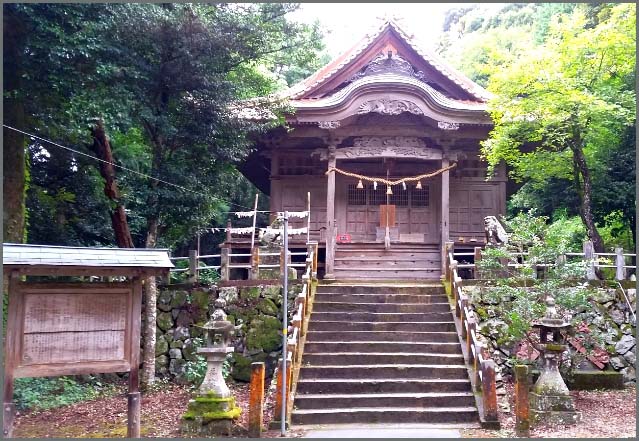
Hitomaru in the folk belief of Japan
人丸信仰とは?(柿本人麻呂にまつわる信仰)

Many shrines dedicated to him are located in the 中国地方 Chugoku Region of Western Japan.
His divinity is sometimes related to puns with his name, Hitomaru.
Hyogo and Yamaguchi have many shrines dedicated to Hitomaru.


CLICK for more photos !

.............................................................................................................................................

anzan no kami 安産の神 Anzan - Deity to grant easy birth
- hitomaru 人丸 - 人生まる - hito umaru - giving birth - pun
Hitomaru himself died an unnatural death.

- In the Iwami region 石見国守 and 高津柿本神社
When Hitomaru was about 50 years old, there are records indicating that he was appointed to a provincial office in Iwami Province — today the western part of Shimane Prefecture.

.......................................................................

人丸神社:栃木県さくら市松山新田300 / Matsuyama Shinden, Sakura, Tochigi Prefecture
人丸大明神 is revered with a statue and scroll of his poems.
He is also celebrated as protector of fire and water disasters 防火 / 水神.
During great famines 天明 / 天保の大飢饉 people prayed to him for salvation.

.......................................................................

川越氷川神社(柿本人麻呂神社):埼玉県川越市宮下町2-11-3 / Saitama, Kawagoe
He is also celebrated as protector of fires 防火の神.
see below - hi no kami 火の神 Deity of fire

.......................................................................

人丸神社:山口県萩市大字椿東中の倉1699 / Yamaguchi, Hagi
Amulets from the Takatsu Shrine 高津柿本神社 are offered here.
He is also celebrated as 学問の神、漁業の神(龍神)、商業の神(龍神)、火難除けの神

柿本人麿社:山口県周南市福川2丁目 2 Chome Fukugawa, Shūnan-shi
He is also celebrated as 疫病除・火難除・眼病平癒・学問・水難海上安全の神.

.......................................................................

. Anzan Kosodate 安産子育て - all about amulets for Children .
- Introduction -

..............................................................................................................................................

ekibyoo yoke no kami 疫病除け神 - Ekibyo Deity to ward off infectious diseases
ekibyoo, yakubyoo 疫病 pestilence, epidemy
- at many shrines in Yamaguchi 山口県 and at 高津柿本神社


人丸神社:山口県山口市宮野七房
A stone figure is venerated in a small sanctuary 小祠.

柿本神社:山口県山口市阿東徳佐台 / Dai Atōtokusashimo, Yamaguchi-shi,

柿本神社:山口県山口市阿東地福上 / Atojifukukami, Yamaguchi

柿本人麿社:山口県周南市福川2丁目 / 2 Chome Fukugawa, Shūnan-shi
In 18365, a a great famine was in the region, followed by dysentery and epidemic diseases. It only stopped when amulets from the Takatsu Shrine 高津柿本神社 were offered here.
At this shrine, Kakinomoto is also venerated for
疫病除・火難除・安産・眼病平癒・学問・水難海上安全.

人丸神社:山口県山口市鋳銭司小森 / Komori Suzenji, Yamaguchi
About 200 years ago, an epidemiy was in the region and only stopped when amulets from the Takatsu Shrine 高津柿本神社 were offered here.

人丸神社:山口県山口市徳地堀字下庄方 / Shimoshōgata Tokujihori, Yamaguchi
In 1900, a dysentery epidemy was in the region and only stopped when amulets from the Takatsu Shrine 高津柿本神社 were offered here.

人丸神社:山口県防府市東佐波令 / Higashisabaryo, Hofu
In 1799, an epidemy was in the region and only stopped when amulets from the Takatsu Shrine 高津柿本神社 were offered here.

人丸神社:岩国市竹安箕ノ越
In 1800, an epidemy was in the region of 河内郷 and only stopped when amulets from the Takatsu Shrine 高津柿本神社 were offered here.

人磨神社:山口県防府市向島 Mukoshima, Hofu
In 1865, an epidemy was in the region and only stopped when amulets from the Takatsu Shrine 高津柿本神社 were offered here.

人丸・大師堂:山口県岩国市周東町祖生今岡 Imaoka Shūtōmachi Soo, Iwakuni
In this Shrine, Kobo Daishi is also venerated. Much later Kakinomoto became
柿本大明神 -「疫病の神」.

繁枝神社(人麻呂社・おうばん社):山口県防府市台道527 / 527 Daidō, Hōfu
In 1820, an epidemy was in the region and only stopped when amulets of 人麻呂大明神 were offered here.

河内神社:山口県周南市高瀬840 Takase, Shunan
amulets from the Takatsu Shrine 高津柿本神社 are offered here to protect from epidemics.

河内神社:山口県周南市米光163-1 / 163-1 Yonemitsu, Shūnan
In 1835, an epidemy was in the region and only stopped when amulets from the Takatsu Shrine 高津柿本神社 were offered here.

飛龍八幡宮(河築神社):山口県周南市須々万本郷312 / 312 Susumahongō, Shūnan
At the shrine 河築神社 in the compound, Kakinomoto is venerated to protect from epidemics.

神沼田神社:山口県岩国市錦町深須上沼田
In 1851, an epidemy was in the region and only stopped when amulets from the Takatsu Shrine 高津柿本神社 were offered here.
In 1977, this shrine was integrated with other shrines :
白鳥神社、地主神社、杵崎神社、柿本人麻呂神社、愛宕社.

寄江柿本大明神:山口県岩国市美和町下畑柿ノ木原 Kakinokibara Miwamachi Shimohata, Iwakuni-
A statue of 人丸明神 is venerated as a protector deity for epidemics.


. Yakubyoogami 疫病神 Yakubyogami, Deity of Diseases .
- Introduction -

..............................................................................................................................................

enmusubi no kami 縁結びの神 Deity to find a good partner
- because he wrote many poems remembering his wife
- at 高津柿本神社 Takatsu Kakinomoto Jinja


fuufu wagoo no kami 夫婦和合の神 Fufu Wago - Deity of good couples
- because he wrote many poems remembering his wife
- at 生田神社 Ikuta Jinja (人丸神社)- Hyogo, Kobe 兵庫県神戸市中央区下山手通1-2-1

. Enmusubi 縁結び to find a good partner in life .
Takasago Legend 高砂伝説

..............................................................................................................................................

gakumon no kami 学問の神 - Deity of learning

- at 生田神社 Ikuta Jinja (人丸神社)- Hyogo, Kobe 兵庫県神戸市中央区下山手通1-2-1

- at 人丸神社:山口県萩市大字椿東中の倉1699 - Yamaguchi, Hagi

- at 柿本人麿社:山口県周南市福川2丁目 - Yamaguchi, 2 Chome Fukugawa, Shūnan-shi

- - 人丸神社:徳島県鳴門市里浦町里浦花面156 - Tokushima, Naruto
On his wanderings in Japan, Hitomaru came here, stayed for a while and taught Waka poetry to the local people. After his death, the shrine was erected with Hitomaru as deity of Poetry and Learning.

bungaku no kami 文学の神 - Deity of literature

..............................................................................................................................................

ganbyoo no kami 眼病平癒の神 - Ganbyo Deity for eye diseases
- Hyogo, Akashi 柿本神社 (see above)

.......................................................................

古熊神社(三森神社):山口県山口市古熊1-10-5 / Furukuma, Yamaguchi

柿本人麿社:山口県周南市福川2丁目 / 2 Chome Fukugawa, Shūnan-shi, Yamaguchi

.......................................................................

. me 眼 / 目 - Amulets for Eye Disease .
- Introduction -

..............................................................................................................................................

geinoo no kami 芸能の神 - Geino Deity of the Performing Arts

- at Yamaguchi, Ube 宇部市の人丸神社

..............................................................................................................................................

gyogyoo 漁業の神 - Gyogyo Deity of the fishing industry
- He is seen as 龍神, Ryujin, a Dragon Deity

- at 人丸神社:山口県萩市大字椿東中の倉1699 Yamaguchi, Hagi

..............................................................................................................................................

hi no kami 火の神 Deity to prevent fire
- and
protector of たたら職人 blacksmiths
- at 川越氷川神社(柿本人麻呂神社)Saitama, Kawagoe 埼玉県川越市宮下町2-11-3
4月18日に「柿本人麻呂祭」が行われる
A descendant of the Ayabe clan from Shimane is still Head Priest here, hence Kakinomoto is also venerated.


柿本人麻呂祭 Kakinomoto Hitomaro Festival
- reference : kawagoe-yell.com/annual-event -

booka no kami 防火の神 Boka - Deity to prevent fire
- hitomaru 人丸 - hi tomaru 火止まる fires stops - pun
- at 壬生寺 Mibudera (人丸塚 Hitomaruzuka)- Kyoto 京都府京都市中京区壬生梛ノ宮町31


柿本人麻呂の灰塚 Kakinomoto Hitomaro no Haizuka

......................................................................

Koojin 荒神 Kojin Deity / Deity to watch over the kitchen fire 台所の火
- in the Iwami region 石見地方
- Seto Naikai region 瀬戸内海

. Aragamisama, 荒神様 Kojinsama, Kojin sama .
Kamagami 釜神 The Hearth Deity


. hi no yoojin 火の用心 watch out for fire - fire prevention .
- Introduction -

..............................................................................................................................................


. Munakata 宗像三女神 three female Munakata Deities .
Munakata Water Deities (suijin) and Waka Deities

Okami no kami 淤加美神 (オカミノカミ)a water deity
(闇淤加美神 Kuraokami 、闇御津羽神、闇罔象; たかおかみ / くらみつは Kuraokami, Takaokami, Kuramitsuha)

and two shrines dedicated to the Waka Poets - 和歌神社 Waka Jinja !

..............................................................................................................................................

. 猿田彦大神 the Great Deity Sarutahiko .
下御霊神社 Shimogoryo Jinja Kyoto - 柿本社 Kakinomoto Yashiro

At shrines for this deity Kakinomoto is also venerated as 柿本大神.

..............................................................................................................................................

seikatsu no shugojin 生活の守護神 Deity to protect daily life

- 石見国守 Many people in Iwami were involved in 製紙業 making paper, so he helped to keep their business prosperous
- at 高津柿本神社

..............................................................................................................................................

suinan yoke no kami 水難除けの神 Deity to prevent drowning and flooding
He is seen as suijin 水神 deity of water

- at 人丸神社 柿本人麿社:山口県周南市福川2丁目 - Yamaguchi 2 Chome Fukugawa, Shūnan-shi
- 水刑死に処されて非業の死を遂げたことから - Because he himself found his death sentence through drowning.


柿本人麻呂水死刑説 Theory about Kakinomoto's death by Drowning
死に臨んで自らを傷む
- reference :geocities.jp/yasuko8787 -


From waka mourning the death of a man from Sanuki Province, and a farewell poem at Kamoyama (Mt. Kamo) in Iwami province with elegies (banka, 挽歌) mourning his own death, many have seen this as Hitomaro acting as a palace official traveling to various provinces and reaching the end of his life in Iwami.
According to the Japanese scholar Itō Haku, however, this farewell poem is a folk drama portraying Hitomaro's own death, and the theory that the poem is a later counterfeit has also been suggested.
- quote wikipedia -

..............................................................................................................................................

shoogyoo no kami 商業の神 Shogyo - Deity of commerce and trade
- He is seen as ryuujin 龍神 Ryujin, a Dragon Deity

- at 人丸神社:山口県萩市大字椿東中の倉1699, Yamaguchi Hagi


:::::::::::::::::::::::::::::::::::::::::::::::::::::::::::::::::::::::::::::::::::::::::::::::::::::::::::::::::::::::::::::::::::::::::::::::::::::::::::::::::::::::::::::::::::::

Fukuoka Hitomaru Shrine 人丸神社
福岡県粕屋郡新宮町下府 Shimonofu, Shingu, Kasuya District
福岡県糟屋郡新宮町桜山手

The daughter of Samurai Taira no Kagekiyo 平景清 (? - 1194) is named
Hitomaru Hime 人丸姫
and is venerated as deity at this shrine.


景清の妻は子供がないことを悲しみ、神仏に祈り続けました。治承二年(1178)3月15日に、朝日(旭)が上る時、懐妊を覚え、女の子を出産しました。
「旭」という字は「日」「丸」と書くことから「人丸」と名付けたと言われています。
- reference : lunabura.exblog.jp -

The character for morning sun 旭 can be seen as consisting of the two characters 日 and 丸, combined as Hitomaru.

. Taira no Kagekiyo 平景清 .

..............................................................................................................................................


Yamaguchi 柿本人麿社 / 人丸神社
山口県周南市福川2丁目 - Yamaguchi 2 Chome Fukugawa, Shūnan-shi
Hitomaro is celebrated here as
anzan no kami 安産の神 Anzan - Deity to grant easy birth
ekibyoo yoke no kami 疫病除け神 - Ekibyo Deity to ward off infectious diseases
gakumon no kami 学問の神 - Deity of learning
ganbyoo no kami 眼病平癒の神 - Ganbyo Deity for eye diseases
suinan yoke no kami 水難除けの神 Deity to prevent drowning and flooding
hinanyoke no kami 火難除けの神 Deity to prevent fire damage
- see above, hi no kami 火の神 Deity to prevent fire


:::::::::::::::::::::::::::::::::::::::::::::::::::::::::::::::::::::::::::::::::::::::::::::::::::::::::::::::::::::::::::::::::::::::::::::::::::::::::::::::::::::::::::::::::::::


CLICK for more statues of Hitomaro .

柿本人麻呂にまつわる全国の神社仏閣(まとめ)
(A long list of shrines in Japan in honor of Hitomaro.)
- source : cultural-experience.blogspot.jp -

.......................................................................

人丸信仰とは?(柿本人麻呂にまつわる信仰)
- source : cultural-experience.blogspot.jp -

:::::::::::::::::::::::::::::::::::::::::::::::::::::::::::::::::::::::::::::::::::::::::::::::::::::::::::::::::::::::::::::::::::::::::::::::::::::::::::::::::::::::::::::::::::::

. Shrine, Shinto Shrine (jinja 神社) - Introduction .

. kami 神 Shinto deities - ABC-LIST - .

- #kakinomotoshrines #hitomarushrines #hitomaroshrines -
:::::::::::::::::::::::::::::::::::::::::::::::::::::::::::::::::::::::::::::::::::::::::::::::::::::::::::::::::::::::::::::::::::::::::::::::::::::::::::::::::::::::::::::::::::::

. Kakinomoto Hitomaro 柿本人麻呂 Hitomaru 人丸) .

[ . BACK to DARUMA MUSEUM TOP . ]
[ . BACK to WORLDKIGO . TOP . ]

:::::::::::::::::::::::::::::::::::::::::::::::::::::::::::::::::::::::::::::::::::::::::::::::::::::::::::::::::::::::::::::::::::::::::::::::::::::::::::::::::::::::::::::::::::::

EDO - Kojimachi district

http://edoflourishing.blogspot.jp/2016/02/kojimachi-district.html

Kojimachi district

[ . BACK to DARUMA MUSEUM TOP . ]
. Famous Places and Powerspots of Edo 江戸の名所 .
:::::::::::::::::::::::::::::::::::::::::::::::::::::::::::::::::::::::::::::::::::::::::::::::::::::::::::::::::::::::::::::::::::::::::::::::::::::::::::::::::::::::::::::::::::::  
Koojimachi, Kōjimachi 麹町 / 麴町 Kojimachi district


Many shops who made and sold Koji for Japanese food lived in this area, hence the name.
For example 麹屋三四郎 Kojiya Sanshiro.


Another explanation links the name to the beginning of the road to Koshu, Koofuji 国府路 Kofuji, pronounced fast as Koji and soon written with the character 麹.

. kooji 麹 Japanese yeast .
with Aspergillus oryzae or A. sojae
To make soy sauce, miso paste, rice wine and other types of Japanese food and drink.


During the Edo period, many wholesalers lived here, also carpenters and wall plasterers and many merchants which delivered to the Bakufu government (goyootashi 御用達) and Edo castle.
okuishi 奥医師  Doctors who attended to the Tokugawa concubines of Ooku 大奥 also lived here.

Kojimachi is a long district with many sub-districts, the third one, Sanbancho often simply called "Bancho", where many Hatamoto retainers lived. They had a special area for horse training, 騎射調練馬場.


source : ameblo.jp/tkyburabura

Since 1865, the second and third sons of 旗本 Hatamoto came here, placed 焙烙 Horoku earthen plates on their head and tried to hit them down while riding in two fighting groups. ほうろく調練場.

..............................................................................................................................................

- quote -
A neighborhood in Chiyoda, Tokyo.
Prior to the arrival of Tokugawa Ieyasu, it was known as Kōjimura (糀村 Kojimura). The area developed as townspeople settled along the 甲州街道 Kōshū Kaidō. In 1878 Kōjimachi became a ward in the city of Tokyo. It was the forerunner of Chiyoda which is now a special ward.

The Kōjimachi ward was larger than past day Kōjimachi. The area centered upon Kōjimachi including the districts of the Banchō (番町 Bancho) area, Kudanminami, Kioichō, Hirakawachō and Hayabusachō is sometimes referred as the Kojimachi area (麹町地区).
- - - More in the WIKIPEDIA !


. Edo Nana Fushigi 江戸七不思議 The Seven Wonders of Edo  .
番町七不思議 Banchoo Nana Fushigi


:::::::::::::::::::::::::::::::::::::::::::::::::::::::::::::::::::::::::::::::::::::::::::::::::::::::::::::::::::::::::::::::::::::::::::::::::::::::::::::::::::::::::::::::::::::


Soto sakurada benkeibori kojimachi Kojimachi and the Benkei Canal at Soto Sakurada
by Hiroshige 広重 - 糀町一丁目山王祭ねり込 Sanno Festival at Kojimachi I-chome


- quote -
Kojimachi and Bancho - an old samurai residential area
The Kojimachi and Bancho areas stretch from Hanzomon Station to the east of the Kokyo (Imperial Palace), towards Shinjuku. The area was formerly used as a residential area for Edo Period samurai but in the early 21st century the area is significantly different to that found here in earlier times.
The Kokuritsu Gekijo (National Theatre of Japan), Japan's only classical art theater stands near Hanzomon Station today. The building was designed to imitate the Azekura-zukuri (Azekura style) of Todaiji Temple near Nara and its splendid atmosphere embodies the beauty of Japanese tradition. Offering Kabuki in the 'Large Theater,' Hogaku (traditional Japanese music), Gagaku, and Bunraku (a form of Japanese puppet show) in the 'Small Theater,' and Rakugo (a traditional Japanese sit-down comedy), Manzai (a Japanese stand-up comedy), and Kodan (storytelling) in the Engeijo (Engei Hall), it has something for everyone. In addition, tours can be taken of its exhibition room: THE best place to know about Japanese traditional performing arts.
- 'Bancho.' Its name originates from the fact that 'Bankata' soldiers used to live here. ('Bankata' soldiers consisted of Hatamoto who served under the direct control of the ruling Shogun.)
... Chidorigafuchi ... Uchibori-Dori ...
... Walking around Kojimachi and Yotsuya, you will often feel the mood of the old Edo Period. The coexistence of modern buildings alongside their older counterparts. Fashionable shops in a quiet residential area sat amidst historical monuments being an example. It is a fun area to walk around and to browse through shops that catch your eye. Or, for the more historically inclined, it is another interesting area of the capital in which to tour historical sites and to glimpse Japanese history.
- source : att-japan.net/en -

..............................................................................................................................................

In Edo, meat was offered at the market of Kojimachi 麹町.
chiku 畜 referred to four-legged animals that should not be eaten by Buddhists and kin 禽 referred two-legged animals, birds to be eaten.

momonji
referes to the meat of wild animals, like wild boar, deer, monkeys or Tanuki badgers and even dogs. (Dog meat was a favorite with the samurai of the Satsuma domain 薩摩.
The first momonjiya shop in Edo was most probably the Kooshuuya 甲州屋 Koshuya in Koojimachi 麹町 Kojimachi.
Yamaokuya 山奥屋 offered wild boar and monkey meat.

. momonjiya ももんじ屋 / 百獣屋  selling meat "from one-hundred wild animals" .
kedamonoya 獣屋 dealers in wild animals
yamaokuya 山奥屋 dealers with stuff from the far-away mountains
kusuriguiho 薬食舗 restaurant serving "medicine" meat


麹町狐を馬に乗せてくる
koojimachi kitsune o uma ni nosete kuru

Kojimachi town -
a fox comes riding
on a horse


:::::::::::::::::::::::::::::::::::::::::::::::::::::::::::::::::::::::::::::::::::::::::::::::::::::::::::::::::::::::::::::::::::::::::::::::::::::::::::::::::::::::::::::::::::::

. Legends and Tales from Japan 伝説 - Introduction .

haifuri tanuki 灰降狸 the ash-throwing Tanuki


source : plala.or.jp/cotton-candy

In the year 1854 in the 6th lunar month there was constantly ashes raining down to the ground of the 平河天満宮 Hirakawa Tenjin Shrine in 麹町 Kojimachi.
People thought it was the malicious deed of a Tanuki badger.

Another legend tells of stones raining from the sky near the back entrance of the Shrine, sometimes 50 to 60 during day and night. They were rather large stones with moss on them. Some looked like pieces of roof tiles. But they never hurt any person.
When someone collected the stones in one place during a day, they were all gone after the next night was over.

On a stormy night, it rained hairs of an animal in Kojimachi. Since people there used to eat meat of animals, even horses, it might have been the hair of the 天馬 "heavenly horse" mentioned in the sutra 山海経 Sengai Kyo.

. 江戸 Edo - 妖怪 Yokai monsters, 幽霊 Yurei ghosts .

.......................................................................

Sara yashiki 皿屋敷 "the Dish Mansion"
This is a famous story centering around an old well in Kojimachi or Bancho 番町皿屋敷. More legends about this story relate to a well in Izumo, Harima and other regions.

A Japanese ghost story of broken trust and broken promises, leading to a dismal fate of "O-Kiku and the Nine Plates"
. Sara yashiki 皿屋敷 "the Dish Mansion" .

.......................................................................

shari 舎利 sacred bones of Buddha
Once there lived a man in Kojimachi, who did not believe in the Laws of Buddha 仏法.
But one day a sacred bone of Buddha came out of his forehead.

..............................................................................................................................................

- reference : nichibun yokai database -

:::::::::::::::::::::::::::::::::::::::::::::::::::::::::::::::::::::::::::::::::::::::::::::::::::::::::::::::::::::::::::::::::::::::::::::::::::::::::::::::::::::::::::::::::::::

- - - - - H A I K U and S E N R Y U - - - - -


source : yasuda.iobb.net/wp-googleearth_e

麹町 壱丁目 Kojimachi First District
「江戸名所図会」 - - 山王祭 Sanno Festival
絵左の天水桶に描かれる屋号が岩に見えるので、岩城枡屋前

..............................................................................................................................................


麹町十三丁目まで祭かな
koojimachi juusanchoome made matsuri kana

until the thirteenth district
of Kojimachi
its festival time . . .

Tr. Gabi Greve

Nomura Kishuu 野村喜舟 Nomura Kishu (1886 - 1983)


. WKD : matsuri 祭り festival .
- - kigo for all summer - -

..............................................................................................................................................

炎天や麹町なし水巴なし
enten ya koojimachi nashi suiha nashi

this blazing sky -
no more Kojimachi
no more Suiha


Saitoo Kuuge 斎藤空華 Saito Kuge (1918 - 1950)


Watanabe Suiha 渡辺水巴 (1882 - 1946) Haiku Poet
Suiha ki 水巴忌 Suiha memorial day (August 8)
- reference -


. WKD : enten 炎天 blazing sky .
- - kigo for all summer - -


:::::::::::::::::::::::::::::::::::::::::::::::::::::::::::::::::::::::::::::::::::::::::::::::::::::::::::::::::::::::::::::::::::::::::::::::::::::::::::::::::::::::::::::::::::::


- - - To join me on facebook, click the image !

:::::::::::::::::::::::::::::::::::::::::::::::::::::::::::::::::::::::::::::::::::::::::::::::::::::::::::::::::::::::::::::::::::::::::::::::::::::::::::::::::::::::::::::::::::::

. Japanese Architecture - Interior Design - The Japanese Home .

. Edo bakufu 江戸幕府 The Edo Government .

. Famous Places and Powerspots of Edo 江戸の名所 .

. Doing Business in Edo - 商売 - Introduction .

. shokunin 職人 craftsman, craftsmen, artisan, Handwerker .

. senryu, senryū 川柳 Senryu poems in Edo .

. Legends and Tales from Japan 伝説 - Introduction .


[ . BACK to DARUMA MUSEUM TOP . ]
[ . BACK to WORLDKIGO . TOP . ]- - - - - #kojimachi #bancho - - - -
::::::::::::::::::::::::::::::::::::::::::::::::::::::::::::::::::::::::::::::::::::::::::::::::::::::::::::::::::::::::::::::::::::::::::::::::::::::::::::::::::::::::::::::::::::