16 Apr 2018

MINGEI - kagu furniture


[ . BACK to DARUMA MUSEUM TOP . ]
. The Japanese Home - Introduction .
:::::::::::::::::::::::::::::::::::::::::::::::::::::::::::::::::::::::::::::::::::::::::::::::::::::::::::::::::::::::::::::::::::::::::::::::::::::::::::::::::::::::::::

kagu 家具 furniture


wa kagu 和家具 Japanese furniture
小泉和子 Koizumi Kazuko (1933 - )

quote
The traditional Japanese household had furniture and features that were directly related to the Japanese culture: simplicity, functionality, and the attention to nature and space.
- - - - - Japanese Furniture: History and Style
Imagine that every single thing you owned had a purpose and place, and you're coming pretty close to imagining a traditional Japanese household. Great thought and care were given to the culture when designing Japanese furniture. Every piece, while simple, had a function and elegance that helped enhance the living area of the family it belonged to.
- - - - - Traditional Japanese Homes
If you were to look at the interior of a Japanese household, the first word that comes to mind might be 'sparse'. This is because in traditional Japanese houses, from ancient times to the present, there was very little furniture to sit or sleep on. Without chairs or bedding, the Japanese generally used the floor to sit and sleep on. This is because the Japanese believe in the concept of ma, or negative space and a desire for simplicity. Objects would be placed very far apart, as the traditional Japanese believed that this space encouraged creativity. ...
- - - - - Types of Furniture
Even though their spaces often appeared to be mostly empty, that was not the case. There were several main kinds of furniture that could be found in traditional Japanese homes. Most of the furniture was made of wood, and much of it had handles on the sides so it could be picked up and moved if needed for aesthetic reasons or in response to a fire. Since the homes were made mainly of wood and rice paper, fires were a common occurrence.

Furniture in Japan had three main purposes:
sleeping and sitting, prayer, and storage.


To replace seating and sleeping furniture, a mat called a tatami was used. Tatami mats were made of woven straw and could be arranged in multiple ways.
There were also Buddhist prayer tables and altars found in most households.
They were made of wood and were usually simple in design, though wealthier households sometimes had altars that were gilded (covered with gold) and ornately carved.
A chest, or tansu,
was first used in the 700s in Japan. This armoire had doors that opened and drawers. The tansu was used for clothing storage and was generally very utilitarian, though sometimes these chests had iron banding or decorations. A tansu used in the kitchen was called a mizuya, and it differed from clothes storage in that it had sliding doors to hide utensils and dishes.
A special kind of tansu was called the kaidan tansu.
This was a storage chest that was in the shape of a staircase and also often functioned as one. In place of doors, this chest had drawers that were equipped with iron handles.
source : study.com/academy/lesson/japanese-furniture...


:::::::::::::::::::::::::::::::::::::::::::::::::::::::::::::::::::::::::::::::::::::::::::::::::::::::::::::::::::::::::::::::::::::::::::::::::::::::::::::::::::::::::::


Matsumoto kagu 松本家具 Matsumoto furniture, Nagano


source : m-k-k.jp/exhibition...
松本家具研究所

- quote -
Matsumoto furniture
Matsumoto-kagu furniture was first made in the latter half of the 16th century to meet the demands of people living in the area. Around the 18th century production of furniture such as chests of drawers and dining tables for everyday use began. With the development of transport, furniture began to be shipped to all parts of Japan, and became known throughout the country. Matsumoto furniture is made of timber such as zelkova and Japanese oak, and is assembled using traditional methods into extremely solid furniture. It is then coated with over ten layers of lacquer, which brings out its depth and beauty.
Chests of drawers, display shelves and low tables are still being made today.
Matsumoto furniture was designated a traditional craft in 1976.
Matsumoto Furniture Craft Association:3-2-12 Chuo, Matsumoto-shi, Nagano
- source : jnto.go.jp/eng/spot/handcrft -

:::::::::::::::::::::::::::::::::::::::::::::::::::::::::::::::::::::::::::::::::::::::::::::::::::::::::::::::::::::::::::::::::::::::::::::::::::::::::::::::::::::::::::

. butsuma 仏間 room for the Buddhist house altar .
. . . . . butsudan 仏壇 Buddhist house altar

. byoobu, tsuitate 屏風、衝立 folding screen .

. chabudai ちゃぶ台 / 卓袱台 / 茶部台 table for tatami rooms .
shippoku しっぽく  // karazukue 唐机(からづくえ) "Chinese Tang Table"

. chigaidana, chigai-dana 違い棚 staggered shelves .

. fusuma 襖 and shoji 障子 sliding door .

. ranma 欄間 transom, open panel carvings .

. tansu 箪笥 / 簞笥 -- たんす chest of drawers, Kommode .

. tatami 畳 floor mats .


:::::::::::::::::::::::::::::::::::::::::::::::::::::::::::::::::::::::::::::::::::::::::::::::::::::::::::::::::::::::::::::::::::::::::::::::::::::::::::::::::::::::::::


. . . CLICK here for Photos ー 日本の家具 !

. Reference .


. The Japanese Home - Introduction .
with a long list of furniture


. Kaguya Hime かぐや姫 .
Not related to 家具 kagu at all, but the daughter of a friend used to call herself thus, daddy being a kaguya 家具屋, maker of furniture.


:::::::::::::::::::::::::::::::::::::::::::::::::::::::::::::::::::::::::::::::::::::::::::::::::::::::::::::::::::::::::::::::::::::::::::::::::::::::::::::::::::::::::::


. Join the MINGEI group on facebook ! .  


. Regional Folk Toys from Japan .

. Japan - Shrines and Temples .


. Tohoku after the BIG earthquake March 11, 2011

[ . BACK to WORLDKIGO . TOP . ]
[ . BACK to DARUMA MUSEUM TOP . ]
- - - #kagu #furniture - - - - -
:::::::::::::::::::::::::::::::::::::::::::::::::::::::::::::::::::::::::::::::::::::::::::::::::::::::::::::::::::::::::::::::::::::::::::::::::::::::::::::::::::::::::::

--
Posted By Gabi Greve to Omamori - Japanese Amulets on 4/02/2018 09:46:00 am

1 Apr 2018

EDO - Itsukaichi Kaido Highway Ina


[ . BACK to DARUMA MUSEUM TOP . ]
. Famous Places and Powerspots of Edo 江戸の名所 .
::::::::::::::::::::::::::::::::::::::::::::::::::::::::::::::::::::::::::::::::::::::::::::::::::::::::::::::::::::::::::::::::::::::::::::::::::::::::::::::::::::::::::::::::::::

Itsukaichi Kaido Highway 五日市街道

. Kaido 日本の街道 The Ancient Highways of Japan .


Along the highway were a lot of nashi 梨 Japanese pear trees.
A famous town on this road was Ina-Shi 伊奈市.
It was such a busy town in the Edo period, the highway was sometimes even called
Ina Kaidoo 伊奈街道 Ina Highway.


The name INA dates back to a town of this name in Shinano (Nagano 長野県 Ina 伊那市).
A lot of stone masons from Shinano moved closer to Edo, using their old town name, written with different characters, 伊奈.
The stone masons from Ina produced a lot of the stones used to built the stone walls of Edo castle.
They also produced ishi-usu 石臼 stone mills, a necessary tool for the farmers of the Edo period.


- quote
Itsukaichi (五日市町 Itsukaichi-machi) was a town located in Nishitama District, Tokyo Metropolis, Japan.
Itsukaichi Town, a medieval settlement, was promoted to town status within Kanagawa Prefecture in 1879, and merged witrh Konakano Village on April 1, 1889. The entire district was transferred to the administrative control of Tokyo Metropolis on April 1, 1893.
The town expanded through annexation of the neighboring villages of Mitsusato and Meiji in 1918, and with Masuko, Tokura and Komiya in 1955.
In 1995, the town of Itsukaichi merged with the city of 秋川 Akigawa (Akikawa) to form the new city of あきる野 Akiruno, and thus no longer exists as an independent municipality.
- source : wikipedia


..............................................................................................................................................

- quote -
Itsukaichi-kaido was and is just a local road and stretches over mere 52 km.
It braches off from Oume-kaido at Koenji-minami and leads to Itsukaichi, now a part of Akiruno city in the west of the prefecture Tokyo.
Itsukaichi-kaido was constructed in the early Edo Period as a route to transport charcoal produced in Akikawa valley to Edo - the capital of Tokugawa Shogunate and the present Tokyo.
The road was initially called 伊奈道 Ina-michi,
then in various ways such as Itsukaichi-michi, Oume-kaido waki-michi, Edo-michi, Koganei-michi and Sunagawa-michi.
Throughout the Edo period, it served as transport way for diverse agricultural products. It was also used by tourists who wanted to see cherry blossom in Koganei.
The present name Itsukaichi-kaido was fixed in the Meiji Period.
Its original width varied from place to place dependent on the capability of the communities along the road. Within the present Suginami-ward area, the road was as narrow as 3 ken (ca. 5.4m) in the eastern part and 8 ken (ca. 14.4m) in the western part. Itsukaichi-kaido was constructed mostly on a flat terrace land in the east-west direction. Only where it had to cross the valley of 善福寺川 Zenpukuji-gawa River and adjacent low swamp land at Ozaki, an extremely winding route had to be chosen to avoid steep slopes. Nevertheless the winding route was detrimental to smooth traffic and carts were often overthrown at a sharply bending corner or on a slope. Therefore, 七曲り "Ozaki-no-Nanamagari" (Seven windings at Ozaki) became notorious as a difficult section of the Itsukaichi-kaido.
Ozaki-no-Nanamagari stretches over ca. 1 km. If you drive through the new main street, you cannot notice much. But, even in the old side alley we can still find some interesting hangovers from the past.
- - Read more
- source : ocada.jp/tokyo/ozaki... -


::::::::::::::::::::::::::::::::::::::::::::::::::::::::::::::::::::::::::::::::::::::::::::::::::::::::::::::::::::::::::::::::::::::::::::::::::::::::::::::::::::::::::::::::::::


旧伊奈街道小野宿 Ina Highway - Ono postal station
(長野県 辰野町 Nagano, Tatsuno)


source : ameblo.jp/mei03ck...

- quote -
Ono-juku was the first inn in Ina Kaido (Ina Way) which starts from Shiojiri-juku, Nakasendo highway and leads to Iida.
Until today, buildings with the look of what they used to be are carefully preserved.

Ono-juku Tonya (the Former Residence of the Ono Family)
The Ono family had been a village headman since the early modern period. Shortly after the early Nakasendo highway was closed, the Ono family became Toiyaba (administration office) of Ono-juku, Ina Kaido, and it continued until the last days of the Tokugawa regime. T
his is a private home rebuilt after the Great Fire of Ono in March, 1859. Its magnificent handsome view is suitable for the leading house in Ono-juku post station town.
- source : kankou.town.tatsuno.nagano.jp -


..............................................................................................................................................

根古屋村 Negoya 


根古屋村と記された石仏
峠のカーブ点に諏訪神社があり、傍らに馬頭観音が8体並び、地蔵さんだろうか、根古屋村と記された石仏もあった。
根古屋集落
- reference source : blog.goo.ne.jp/saikoroat/e -


..............................................................................................................................................


- quote -
明治時代の幻の道「伊奈街道」
「伊奈街道」は伊那谷(大鹿)と富士川谷(切石)とをつなぐために明治5~6年に計画され、明治19年頃に完成した道幅2間(3m60cm)の広域道路である。伊那谷に駿河の海産物を運ぶことが主な目的とされた。

そのルートは、新倉から伝付峠を越えて大井川上流西俣を遡り、三伏峠を越えて大鹿村大河原へとつないでいる。長野県と山梨県の折半で費用が出され、関係する村からの人足によって工事がなされたという。伊那谷から身延山参りにいくらか利用されたらしいが、南アルプスの中央部を横断していて、保守管理がたいへんなため、数年で通れなくなってしまったらしい。
この「伊奈街道」の痕跡が一番よく残っているのが新倉広河原から伝付峠を経て二軒小屋へ至るルートである。村人の手で掘られた崖沿いの道など当時のことを思い浮かべながら歩くのも面白い。
- reference source : iida-museum.org/user/nature -


::::::::::::::::::::::::::::::::::::::::::::::::::::::::::::::::::::::::::::::::::::::::::::::::::::::::::::::::::::::::::::::::::::::::::::::::::::::::::::::::::::::::::::::::::::


chuuma no michi 中馬のみち Chuma "road for transport horses"


- quote -
信州の近代初期における馬の分布
Distribution of horses in the early modern period in Shinshu

The detail map for horse heads distribution during the early modern period was made fron the statistical records in vols. 1, 2, and 3 of 'Monograph of Nagano villages (1876)' that Nagano prefecture made on the request of Meiji government in 1875. The hearing investigation into horse feeding, foods and the gravestone before World War II was carried out in the city of Ina and the village of Minamiminowa between 2009 and 2013. The density of the horse population per village in the southern part of the prefecture was higher than that in the northern part, and, in particular, the villages fed many horses that were concentrated in the Ina valley.
'Cyu uma' 中馬 transit system by horse on the 'Ina kaido' in Ina valley had developed as one of the by-pass roots for free-carrier businesses, going against the wishes of the official institution in 'Naka sendo', which acted under the centralized administrative framework of the Edo era. The development of the carrier businesses and the biological advantages for the operations of transportation, forestry and agriculture under the rough mountainous landscape led to the development of a unique culture in the Ina valley. The people fed many horses, recognized them as members of the family, ate their meat and intestines, and built many tombs to appreciate their spirit as the Deity of Mercy to clean the every accidents and diseases as well as a mountain of weeds, grasses and wild plants in bush around village.
- reference source : 国立情報学研究所 (NII) -


..............................................................................................................................................


- quote -
Asuke Townscape 足助
A post town with beautifully contrasting white walls and black wooden fences


The Ina-kaido Road, which supported the livelihoods of common people in the Edo period, used to pass through Asuke. It is a side path of the Nakasendo, one of the Five Highways, and is said to have supported the livelihoods of common people by serving as a route for the delivery of Mikawa Bay's salt and seafood products to the Shinshu district.
"Asukejuku" 足助宿 flourished as a post town of the road, and still today, the characteristic warehouses with white plaster walls and black wooden fences remain, lining a roughly 2 km stretch of the road. It is dotted with nostalgic places such as Asuke Chumakan, a bank building in the Taisho Period; and Manrin Alley, which features beautiful white and black contrasts.
- source : japan-highlightstravel.com/en/travel -


::::::::::::::::::::::::::::::::::::::::::::::::::::::::::::::::::::::::::::::::::::::::::::::::::::::::::::::::::::::::::::::::::::::::::::::::::::::::::::::::::::::::::::::::::::


- - - To join me on facebook, click the image !

:::::::::::::::::::::::::::::::::::::::::::::::::::::::::::::::::::::::::::::::::::::::::::::::::::::::::::::::::::::::::::::::::::::::::::::::::::::::::::::::::::::::::::::::::::::

. Edo bakufu 江戸幕府 The Edo Government .

. Famous Places and Powerspots of Edo 江戸の名所 .

. Doing Business in Edo - 商売 - Introduction .

. shokunin 職人 craftsman, craftsmen, artisan, Handwerker .

. senryu, senryū 川柳 Senryu poems in Edo .

. Japanese Architecture - Interior Design - The Japanese Home .

. Legends and Tales from Japan 伝説 - Introduction .


[ . BACK to DARUMA MUSEUM TOP . ]
[ . BACK to WORLDKIGO . TOP . ]
- - - - - #Itsukaichi #ina - - - -
::::::::::::::::::::::::::::::::::::::::::::::::::::::::::::::::::::::::::::::::::::::::::::::::::::::::::::::::::::::::::::::::::::::::::::::::::::::::::::::::::::::::::::::::::::

--
Posted By Gabi Greve to Edo - the EDOPEDIA - on 3/28/2018 09:41:00 am

30 Mar 2018

YAKUSHI - Yakushi legends 08 Mie Miyazaki Nara Niigata


[ . BACK to DARUMA MUSEUM TOP . ]
. Yakushipedia - ABC-Index 薬師如来 .
. Yakushi Nyorai - Legends from the provinces .
::::::::::::::::::::::::::::::::::::::::::::::::::::::::::::::::::::::::::::::::::::::::::::::::::::::::::::::::::::::::::::::::::::::::::::::::::::::::::::::::::::::::::::::

Yakushi Nyorai 薬師如来 and
legends from Mie 三重県, Miyazaki 宮崎県, Nara 奈良県 and Niigata 新潟県


..............................................................................................................................................

Yakushi Nyorai 薬師如来 and legends from Mie 三重県


薬師如来坐像 西盛寺 Nishimori-Ji
薬師三尊像(光善寺)
- reference source : bunka.pref.mie.lg.jp/rekishi... -


. Sanjusan Gendo Hall and 柳のお加持 "Rite of the Willow" .
Yooji Yakushi Doo 楊枝薬師堂 The Yakushi Hall of Yoji Village
- 浄薬寺 Joyaku-Ji

.......................................................................
熊野市 Kumano

. Oguri Hangan 小栗判官 .
and the Hot Spring 湯の峰温泉 Yunomine Onsen

.......................................................................
鈴鹿市 Suzuka

At the temple 清泉寺 Seisen-Ji in Kitabatake there is 北畑の薬師 a Yakushi statue.
people hard of hearing will certainly be healed. To show their gratitude, they have to make an offering. They must find a stone with a hole, place a thread or a mizuhiki 水引 ceremonial paper cord around it and offer it.

uma 馬 horse
At the temple 石薬師寺 Ishiyakushi-Ji (Stone Yakushi Temple) there is an ema 絵馬 votive tablet of a horse. The horse came out at night and devastated the fields.
So the farmers put a stake into it to fix it and bound its legs with painted ropes.

......................................................................
上野市 Ueno

hi no tama ヒノタマ ball of fire
At 治田村 Haruta village there was an ill person. The door to his sick room suddenly made a strange sound, ガタガタ gatagata, opened and a ball of fire left the room.
The ball first flew to the nearby graves of the family and then to the temple 薬師寺 Yakushi-Ji. Now the bell of the temple begun to ring.

There is also a very old Yakushi-Ji temple in
三重県伊賀市鳳凰寺245 / 245 Bōji, Iga-shi, Mie
dating back to the 白鳳時代 Hakuo period.


::::::::::::::::::::::::::::::::::::::::::::::::::::::::::::::::::::::::::::::::::::::::::::::::::::::::::::::::::::::::::::::::::::::::::::::::::::::::::::::::::::::::::::::


Yakushi Nyorai 薬師如来 and legends from Miyazaki 宮崎県


. Hokedake-Ji, Hokkedakeji 法華嶽寺 Hokedake Yakushi-Ji .
- Yakushi Nyorai 薬師如来 and Izumi Shikibu 和泉式部


::::::::::::::::::::::::::::::::::::::::::::::::::::::::::::::::::::::::::::::::::::::::::::::::::::::::::::::::::::::::::::::::::::::::::::::::::::::::::::::::::::::::::::::


Yakushi Nyorai 薬師如来 and legends from Nara 奈良県


新薬師寺 Shin-Yakushi-Ji

......................................................................
奈良市 Nara

chi no deru ishi 血の出る石 a bleeding stone
The cornerstone of the pagoda of Yakushi-Ji is said to be bleeding. A stone mason wanted to split the stone secretly, when the blood of a baby came flowing out of it. The mason was quite surprized and afraid and run home, but he died soon afterwards.


. yonaki Jizoo 夜泣地蔵 Jizo crying at night .
at 春日神社 Kasuga Jinja

.......................................................................
吉野町 Yoshino

kagayaita yo na sugata no hito 輝いたような姿の人 "shining person"
In the afternoon when children were playing in front of the Yakushi Do Hall, a person with a shining body appeared and told them:
"Hey, you children, come on, come on!"
「お前ら、来いよ、来いよ」"Hey, you children, come on, come here!"
But the children became afraid and fled in panic.


::::::::::::::::::::::::::::::::::::::::::::::::::::::::::::::::::::::::::::::::::::::::::::::::::::::::::::::::::::::::::::::::::::::::::::::::::::::::::::::::::::::::::::::


Yakushi Nyorai 薬師如来 and legends from Niigata 新潟県


source : city.nagaoka.niigata.jp...
The statue is 22 cm high and made from 椿 camellia wood.
Niigata, Nagaoka Akatani 長岡市赤谷

.......................................................................
加茂市 Kamo town 南蒲原郡 Minami Ganbara district

. Yoneyama Awagatake Awayakushi 米山,粟ケ岳,粟薬師 .
Awa Yakushi / 薬師岳 Mount Yakushidake

.......................................................................
両津市 Ryotsu

The town of 水津 Suizu on Sado Island had a prosperous period when the ships to the North stopped here.
Once a ship stopped and had a traveller had a vision of Yakushi Nyorai entering the home of the 川端家 Kawabata family.
So they build a small hall and venerated the Yakushi sama.

.......................................................................
十日町市 Tokamachi 松代町 Matsushiro

Once a young woman who had just married and entered a different family, became quite ill. Her father prayed to Yakushi Nyorai every day. He had a vision in his dream: He saw an old man with a white beard, telling him she would certainly be well soon.
When her father went to the in-laws the next day, he saw a hanging scroll of Yakushi Nyorai in their guest foom - and Yakushi looked just the same as the old man he had seen in his dream.
The bride got well soon after that.

..............................................................................................................................................

- reference : Nichibun Yokai Database -

::::::::::::::::::::::::::::::::::::::::::::::::::::::::::::::::::::::::::::::::::::::::::::::::::::::::::::::::::::::::::::::::::::::::::::::::::::::::::::::::::::::::::::::


Join the friends on facebook !


. Yakushipedia - ABC-Index 薬師如来 .

. Yakushi Nyorai - Legends from the provinces .

. Yakushi Nyorai Pilgrimages 薬師霊場巡り - Introduction .


. O-Mamori お守り Amulets and Talismans .

. Japan - Shrines and Temples - ABC List .


[ . BACK to DARUMA MUSEUM . TOP . ]
[ . BACK to WORLDKIGO . TOP . ]
- - - #yakushilegendsmie #niigatayakushi #mieyakushi #miyazakiyakushi - - -
::::::::::::::::::::::::::::::::::::::::::::::::::::::::::::::::::::::::::::::::::::::::::::::::::::::::::::::::::::::::::::::::::::::::::::::::::::::::::::::::::::::::::::::

--
Posted By Gabi Greve to Gokuraku - Jigoku on 2/11/2018 09:50:00 am

GOKURAKU - Toran Ni Sennin


[ . BACK to DARUMA MUSEUM TOP . ]
. sennin 仙人と伝説 Legends about Immortals .
::::::::::::::::::::::::::::::::::::::::::::::::::::::::::::::::::::::::::::::::::::::::::::::::::::::::::::::::::::::::::::::::::::::::::::::::::::::::::::::::::::::::::::::

Toranni 都藍尼(とらんに)Toran-Ni - 女仙人 Toran no Ama, a female Sennin 

She is Nr. 09 :
. 日本の仙人37人 - The 37 Immortals of Japan .

The Buddhist nun Toran-Ni lived in Nara at the foot of 吉野の山 Mount Yoshino, studied Buddhism and lived for more than a few hundred years.
Mount Oominesan 大峰山 was a mountain for religious practise, but not allowed for women to climb. Even now there is 女人結界門 a limit as to how far women should climb.
Toran-Ni was not satisfied with this prohibition and one day started to climb. Immediately the weather turned bad, with thunder and lightning, making her loose her way. She also lost her walking staff 杖, which got stuck in the ground and grew to a huge tree.
Rocks where she stepped on begun to crack and tumble downhill and a pond appeared in their place.

There are other mountains in Japan claiming Toran-Ni was there, like 立山 Tateyama, 白山 Hakusan and 高野山 Koyasan.

.......................................................................

Toran-ni: The Old Hag Who Violated the Anti-female Cordon
The woman who is known simply as the Nun Toran (Toran-ni), a legendary person, is believed to be the sister of a minor mountain ascetic who trained with En no Gyōja (d. 701). The first literary reference to her occurs in the Honchō shinsen-den ...
"Toranni, native of Yamato province, achieved several hundred years of long life through her mystical ascetic training. Regrettably, however, her overconfidence led her to penetrate the sacred Mount Kinpusen, only to have Kongo Zao (the tutelary deity of Mt. Kinpusen), who never permits women to cross its boundary, to strike her with lightning. Toran's staff changed into a tree, the earth caved i to create a lake. She left traces of her nail marks on the mountain rock".

- - - "Women, Gender and Art in Asia, -- MORE
- source : MeliaBelli Bose -

..............................................................................................................................................

- quote -
Daisen Shinkō - 大仙 Mount Daisen
Beliefs and practices associated with Daisen, a mountain located in the western part of Tottori Prefecture, also known as Hōki Fuji. It consists of a number of peaks, including Misen, Tengugamine and Sankomine. The highest is Kengamine (1792 m.). The access route from the north starts from a settlement that has formed around the Tendai temple Daisenji. Beyond this are the inner shrine of Ōgamiyama Shrine, and the shrine dedicated to the attendant kami, Shimoyama Shrine.
Many elements connected with the view that the mountain is the Other Realm, where the spirits of the dead go, can be found in, for example, the Muromachi-period Amida Hall and the site known as Sainokawara. In the Izumokoku fudoki (post 713) the mountain is called Ōgamidake, and Yatsukamizuomitsuno no mikoto is said to have used it as a rudder when he brought in more land to extend Izumo Province (kunihiki). In the Engishiki (905-27) it appears as Ōgamiyama Shrine. Ennin's Diary (Nitto guhō junrei kōki, covering 838-47) records that Ennin made prayers here when he was embarking for China, and so its links with Tendai Buddhism were born.
It was famous as a shugen (see Shugendō) mountain in the Heian period and is mentioned in such works as the Uji shūi monogatari (ca 1190-1242), Ryōjin hishō (ca 1169), Shin sarugaku-ki (Fujiwara Akihira, 1058-65) and Hokke genki.
A shugenja called Kikō is said to have been active here in the Kamakura period. The oldest local legendary history is the Daisenji engi emaki with a colophon dated 1398 (the original was destroyed in a fire in 1928). It relates that a great rock fell from the southeastern side of the Third Palace of the Tushita heaven and split into three - Kumano, Kinpusen, and Daisen. In connection with this, the "mountain" name of Daisenji is Kakubansan (lit. "corner of rock").
The divinities Monju (Manjushri), Kannon (Avalokiteshvara) and Jizō (Kshitigarbha) manifested themselves at the pagoda and are venerated as the Gongen of the Three Places (sansho gongen) (see gongen shinkō).

The founding legend says that a hunter from Tamatsukuri in Izumo called Yorimichi entered the mountain from the bay at Miho chasing a golden wolf. When he tried to shoot it Jizō rose out of the earth and the wolf transformed into an old nun called Toran-ni. The wolf was an incarnation of the mountain kami (yama no kami), who, as a nun, persuaded Yorimichi to seek after enlightenment, and gave him the name of Kinren to encourage him in his religious training. Thus Yorimichi is considered to be the founder of Daisen.

A special feature of the cult was its veneration of Jizō on the basis of belief in the mountain deity and the view that the mountain was the Other Realm. In the late Heian period a cult arose around the central image of Daisenji, Daisen Chimyō Gongen, identified as an avatar of Jizō.
In the Muromachi period Shimoyama Myōjin, the attendant deity (misaki kami), was venerated for its association with Daisen Chimyo Gongen, and was said to enshrine the spirits of a white fox and a shugen practitioner.
The belief spread over a wide area, on the basis of oracles (takugen) and reports of miraculous events (reigen) emphasized by yamabushi. Daisenji came under the jurisdiction of Hieizan in the Edo period. Gōen, the head priest of the temple at the beginning of the period, systematized the organization and ritual, and is therefore called the restoring patriarch.
A fief of 3000 koku was bestowed on the temple, which supported 42 subtemples. The separation of kami and Buddhist practices and worship (shinbutsu bunri) was carried out in 1875. Daisenji was abolished and the main hall of Daisen Chimyō Gongen was turned into the inner shrine of Ōkamiyama Jinja.
In 1903, the temple name of Daisenji was revived and the former Dainichi Hall was converted into the Main Hall, and remains so today. Shugen practices disappeared, but the shrine priests (jinshoku) perform the rite of mohitori, bringing down herbs and water from the summit of the mountain, which preserves elements of the former Misen zenjō, climbing to the summit of Misen, which used to be held on the fourteenth day of the sixth month.
In the Bitchū region (in present-day Okayama Prefecture), Daisen is written with the characters 大仙 rather than the usual大山; a branch shrine has been established locally and veneration rites for the dead are performed there. There remains a strong tradition of veneration of the dead also at the base of the mountain, where gongen confraternities (kō) venerate Chimyō Gongen on the 24th of February and October in order to memorialize ancestors.
Again, at the foot of the mountain, there is a strong devotion to the mountain as a protector of livestock; horse and cattle fairs used to be held in villages there every year on the twenty-fourth day of the fourth month, the day associated with the deity, which developed in the Genroku era (1688-1704) into the Bakurōza, the biggest such fair in the country.
The Daisen Kuyō Taue, a rice-planting festival, best symbolizes the beliefs surrounding Daisen as a water (suijin) and agricultural deity. Here an ox with its horns brightly decorated is led into a rice field and young women plant rice to the beat of accompanying music. This festival is still held at various places and times.
- source : Kokugakuin Suzuki Masataka -


.......................................................................

. Yama no Kami 山の神 God of the Mountain
and his messenger, the Yamainu 山犬 Wolf .


.......................................................................

105 spring and Mount Daisen


. Mount Daisen 大山 / 大仙 - Tottori .
Mount Daisen, which stood directly from the Sea of Japan, was regarded as one of the most important mountain for Japanese Shugendo. According to 'Izumo Kokudo Fudoki, which was completed the edition in 733, this mountain was called 'Ookamitake'', literally, 'Mountain of the great god.'

..............................................................................................................................................


. Zenkiboo Zenkibō 前鬼坊 Zenkibo of Mount Ōmine, Nara .
那智滝本前鬼坊 Nachi Takimoto Zenkibo / 大峰山前鬼坊 Ominesan Zenki-Bo
the husband Zenki 前鬼 and his wife Goki 後鬼 - and the priest En no Gyoja 役行者.


::::::::::::::::::::::::::::::::::::::::::::::::::::::::::::::::::::::::::::::::::::::::::::::::::::::::::::::::::::::::::::::::::::::::::::::::::::::::::::::::::::::::::::::

. sennin 天狗と仙人伝説 Legends about Tengu and Immortals .

. sennin 仙人と伝説 Legends about Immortals .


. Japan - Shrines and Temples - Index .


[ . BACK to DARUMA MUSEUM . TOP . ]
[ . BACK to WORLDKIGO . TOP . ]
- - #toranni #femalesennin -
::::::::::::::::::::::::::::::::::::::::::::::::::::::::::::::::::::::::::::::::::::::::::::::::::::::::::::::::::::::::::::::::::::::::::::::::::::::::::::::::::::::::::::::

--
Posted By Gabi Greve to Gokuraku - Jigoku on 2/26/2018 09:32:00 am

EDO - Kiyosumi district


[ . BACK to DARUMA MUSEUM TOP . ]
. Famous Places and Powerspots of Edo 江戸の名所 .
. Persons and People of Edo - Personen .
::::::::::::::::::::::::::::::::::::::::::::::::::::::::::::::::::::::::::::::::::::::::::::::::::::::::::::::::::::::::::::::::::::::::::::::::::::::::::::::::::::::::::::::::::::

Kiyosumi choo, Kiyosumi machi 清住町 / 清澄町 Kiyosumi district
江東区 Koto ward.
From the first to the third sub-district. 清澄一丁目から清澄三丁目.
Neighboring to 白河 Shirakawa district, 清澄白河 Kiyosumi Shirakawa,
Near the 深川村 Fukagawa village in Edo, 深川清澄町 Fukagawa Kiyosumi Cho.


Named after Kiyosumi Yahē 清住弥兵衛 Kiyosumi Yahei
- quote -
He must have been a man of considerable means because it's said that he financed the filling in and reclamation of the original marshland which effectively gave access to the high ground (where Kiyosumi Park is now located). The details about this family and personage are obscure, but if this tradition is true, these efforts to fill in the swamps would have made the lowlands not only livable, but suitable for business and its hilltop areas desirable for feudal lords serving sankin-kōtai duty.
This area was located near rivers which made it good for transporting goods. So the area definitely prospered after the land reclamation and so the name of Kiyosumi Yahē apparently stuck.
- source : japanthis.com/tag/kiyosumi... -


The area in the beginning of the Edo period was quite a swamp and there soon were eight small fishing villages along the 隅田川 Sumida river.
In 1629 they were allowed to become eight independentvillages,
Fukagawa Ryooshimachi Hakkachoo 深川猟師町八ヶ町
Fukagawa Ryoshimachi Hakkamachi
(eight fishing villages in Fukagawa).
Yahei became the head of Yahei-machi 弥兵衛町.
The fishermen were obliged and privileged to bring their fish and nori 海苔 seaweed to the kitchen of the Shogun.
In 1695 the area was re-named to Kiyosumi machi.

The names of the seven other villages according to their headmen were
次郎兵衛町 Jirobei / 藤左衛門町 Tozaemon / 親兵衛町 Shinbei / 利左衛門町 Rizaemon /
助十郎町 Sukejuro / 彦左衛門町 Hikozaemon / 助右衛門町 Sukeemon
Sometimes 大島町 Oshima was counted as Nr. 9

In 1695, the individual names were changed to
清住町 Kiyosumi / 佐賀町 Saga / 相川町 Aikawa / 熊井町 Kumai /
冨吉町 Tomiyoshi / 諸町 Moro / 黒江町 Kuroe / 大島町 Oshima


In 1932, the Chinese characters for Kiyosumi were changed to 清澄町.

..............................................................................................................................................

Kiyosumi Teien 清澄庭園 Kiyosumi Park


- quote -
The grounds of Kiyosumi Teien (清澄庭園) were originally the residence of an Edo era merchant, and eventually changed ownership to a feudal lord who turned them into a garden. During the Meiji Period, the founder of Mitsubishi bought the garden to entertain his guests. It was donated to the city of Tokyo and opened to the public in 1932.
A highlight of the Kiyosumi Teien landscape garden
are the many stones set around the grounds. Landscape stones are highly sought after and valuable, and some of the ones in the garden are famous stones that were acquired from all across Japan.
When strolling the garden's grounds
be sure to venture across the stepping stone paths that are set in the water. This is called "isowatari", and from the stones you can see fish and turtles under the surface of the pond as well as reflections of the garden in the water.
The park is a short walk from Kiyosumi-Shirakawa Station
- source : japan-guide.com... -


清澄橋 Kiyosumibashi bridge

Built in 1950, 22 m long and 12 m wide.
Northern side : 江東区清澄3丁目 - Kiyosumi
Southern side : 江東区福住2・深川1 - Fukagawa


::::::::::::::::::::::::::::::::::::::::::::::::::::::::::::::::::::::::::::::::::::::::::::::::::::::::::::::::::::::::::::::::::::::::::::::::::::::::::::::::::::::::::::::::::::

- - - - - H A I K U and S E N R Y U - - - - -

古池や蛙飛び込む水の音
furu ike ya kawazu tobikomu mizu no oto


Basho Memorial stone

. Kiyosumi Garden Pond and Matsuo Basho .
Those fish ponds of course do not exist anymore, but there is a large pond in the Kiyosumi Gardens not far from the Basho Museum. Not surprisingly, one of the three frog-and-pond haiku stones stands right in this garden.
In the expectation that this pond will help me to evoke the proper atmosphere I proceed to the Kiyosumi Gardens.
- quote G. Blankestijn -


.............................................................................................................................................


. Shiba Sonome 斯波園女 (1664 - 1726) .
In 1690, Sonome became a student of Matsuo Basho. Her correspondence with Basho is quite well loved.
Her grave at park, close to Kiyosumi Teien 清澄庭園
at the temple 雄松院 Oshoin .
1 Chome-1-8 Shirakawa, Koto, Tokyo

CLICK for more photos


::::::::::::::::::::::::::::::::::::::::::::::::::::::::::::::::::::::::::::::::::::::::::::::::::::::::::::::::::::::::::::::::::::::::::::::::::::::::::::::::::::::::::::::::::::


- - - To join me on facebook, click the image !

:::::::::::::::::::::::::::::::::::::::::::::::::::::::::::::::::::::::::::::::::::::::::::::::::::::::::::::::::::::::::::::::::::::::::::::::::::::::::::::::::::::::::::::::::::::

. Famous Places and Powerspots of Edo 江戸の名所 .

. Doing Business in Edo - 商売 - Introduction .

. shokunin 職人 craftsman, craftsmen, artisan, Handwerker .

. senryu, senryū 川柳 Senryu poems in Edo .

. Edo bakufu 江戸幕府 The Edo Government .

. Japanese Architecture - Interior Design - The Japanese Home .

. Legends and Tales from Japan 伝説 - Introduction .


[ . BACK to DARUMA MUSEUM TOP . ]
[ . BACK to WORLDKIGO . TOP . ]
- - - - - #kiyosumi #kiyosumiyahei - - - -
::::::::::::::::::::::::::::::::::::::::::::::::::::::::::::::::::::::::::::::::::::::::::::::::::::::::::::::::::::::::::::::::::::::::::::::::::::::::::::::::::::::::::::::::::::

--
Posted By Gabi Greve to Edo - the EDOPEDIA - on 3/26/2018 01:29:00 pm

25 Mar 2018

EDO - Komagata district


[ . BACK to DARUMA MUSEUM TOP . ]
. Famous Places and Powerspots of Edo 江戸の名所 .
::::::::::::::::::::::::::::::::::::::::::::::::::::::::::::::::::::::::::::::::::::::::::::::::::::::::::::::::::::::::::::::::::::::::::::::::::::::::::::::::::::::::::::::::::::

Komagatachoo 駒形町 Komagata district
Taito ward, 台東区, Taitō, with two sub-districts 駒形一丁目 / 駒形二丁目. South of 浅草 Asakusa


The name Komagata-Cho is mentioned in books since about 1661.
(浅草駒形 Asakusa Komagata).

koma 駒 is another word for uma 馬 horse.
Komagata means "form of a horse", "looking like a horse".
Thetemple hall 駒形堂 Komagata Do could be seen from boats down the river Sumidagawa, looking like a white horse running, koma kake 駒駆け.
komakake changed in the local dialect to Komagata.

..............................................................................................................................................

Komagata doo 駒形堂 Komagata Do Hall


Komagata-dô Azuma-bashi 駒形堂 Komagata Hall and Azuma Bridge
Hiroshige

Komagata-do,
dedicated to the horse-headed guardian deity of mounted travelers, one of the many manifestations of the bodhisattva Kannon, marks the original gateway to Senso-ji, standing formerly on the threshold of the land and waters from where Kannon is said to have emerged in the ancient past. Because of this legend, the hall was originally facing the river, and fishing was forbidden as a mark of respect.
. Asakusa 浅草 district in Edo .


- reference source : senso-ji.jp/guide... -

The main deity was Kannon Bosatsu, a statue which was found near the 駒形橋 Komagata bridge.
The hall is near Komagata Bridge beside the 隅田川 Sumidagawa river. It was the first hall for the Kannon statue, which is now in the main temple of Asakusa,
The first Komagata Do Hall was built in 942 by 平公雅 Taira no Kimimasa, right next to the boat landing place at the river. So visitors first came to the Komagata Do Hall to pray and then went to the Asakusa Kannon temple. The front of the temple was first located facing the river, but eventually it was rebuilt to show the back to the river. The present-day hall was built in 2003.
One priest of the Asakusa Kannon temple, 網野宥俊僧正, knew that the original place of the statue was in the Sumidagawa, so the Kannon must like fresh things from the water and thus he installed Bato Kannon 馬頭観音 the Horse-headed Kannon in the hall. For the people to pray to, he had the statue made like a horse (umagata 馬形), later written 駒形.

. Asakusa Kannon 浅草観音 - 浅草寺 Temple Senso-Ji .


. batoo Kannon 馬頭観音 Bato Kannon, "Horseheaded Kannon" .
- Introduction -

..............................................................................................................................................


Komagata no asagiri 駒形の朝霧 morning mist at Komagata


source : national diet library
一勇斎国芳 Ichiyusai Kuniyoshi

..............................................................................................................................................


Komagata-bashi 駒形橋 Komagata Bridge
Length/ Width: 146.2m/ 22m


source : gotokyo.org/en/kanko/taito...


::::::::::::::::::::::::::::::::::::::::::::::::::::::::::::::::::::::::::::::::::::::::::::::::::::::::::::::::::::::::::::::::::::::::::::::::::::::::::::::::::::::::::::::::::::


. Deity 駒形明神 Komagata Myojin / 馬鳴菩薩 Memyo Bosatsu .
menari myoojin 馬鳴明神 "neighing horse deity"


© PHOTO : kawamura

..............................................................................................................................................


Komagata Jinja 駒形神社 Shrines devoted to the gods and goddesses of horses

. Komagata no ookami 駒形大神 the great gods of Komagata .
- - - - - Composed of six gods:
Amaterasu oomikami (天照大御神)
Amenotokotachi no mikoto (天之常立尊)
Kuninosatsuchi no mikoto (国之狭槌尊)
Wagatsu no mikoto ( 吾勝尊)
Okise no mikoto (置瀬尊)
Hikohohodemi no mikoto (彦火火出見尊)

- - - - - 駒形神社 Komagata shrines in Tohoku
駒形神社(柿ノ沢) // 駒形神社(綾織) // 駒木の駒形神社


Arakawa Komagata Jinja 荒川駒形神社
遠野市附馬牛町上附馬牛14 / Tsukimo-Ushicho Kamitsukimo-Ushi, Tōno,


::::::::::::::::::::::::::::::::::::::::::::::::::::::::::::::::::::::::::::::::::::::::::::::::::::::::::::::::::::::::::::::::::::::::::::::::::::::::::::::::::::::::::::::::::::


. Legends and Tales from Japan 伝説 - Introduction .

................................................................................. Fukushima 福島県
石川郡 Ishikawa district 平田村 Hirata

A horse had been drinking from the water under a rock of the shrine for 八大神様 Hachidai Sama (the eight dragon deities). It became very large and flew off to heaven.
The footsteps of the horse are still seen on the rock and the region was called Komagata.
Komagata mura 駒形村 Komagata village, now part of 喜多方市 Kitakata town.


................................................................................. Miyagi 宮城県
栗原郡 Kurihara district 花山村 Hanayama village


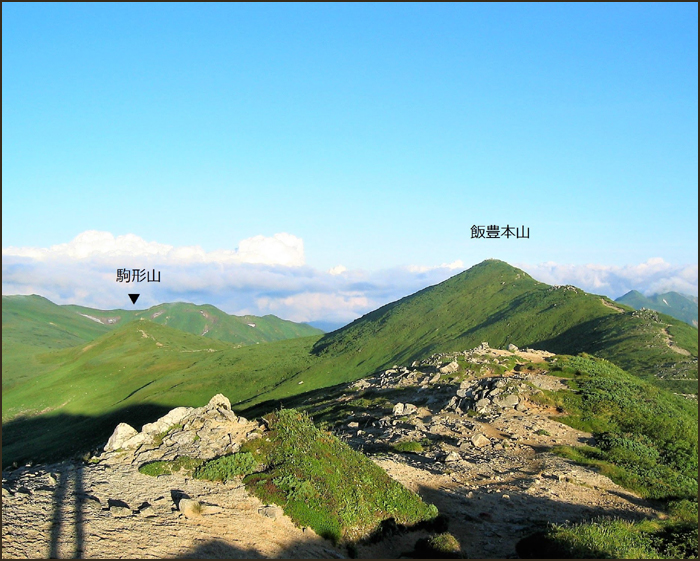
- Mount Komagatayama 駒形山

deities Komagatane Gongen 駒形根権現 and Ontake Gongen 御嶽権現
The deities from the mountains of 駒形根 Komagatane and 御嶽 Ontake came down to meet in 陸奥 Mutsu, near 築館 Tsukidate. Near the river 一迫川 Ichihasamagawa they found beautiful flowers in bloom and named the mountain 花山 Hanayama "Mountain with Flowers".
On the way back the Kami from Ontake became sleepy, but the Kami from Komagatane kept going and pursued the way with the most beautiful landscape. This is now mount 御駒山 Okomayama.
The Kami from Ontake came later and took another route. This is now 御嶽権現の山 the mountain of Ontake Gongen, where beautiful shakunage 石楠花 rhododendron are flowering.
Komagatane Gongen became jealous and wanted some flowers too, but since he had left Ontake behind earlier on, he did not get any.
To our day, these rhododendron flower only at mount 御嶽山 Ontakesan and not on mount 駒形山 Komagatayama.


Komagatane Jinja 駒形根神社
Miyagi Prefecture, Kurihara, Kurikomanumakura, Ichinomiya 11


................................................................................. Nagano 長野県
小県郡 Chiisagata district 長和町 Nagawa

Komagata-iwa 駒形岩 Komagata Rock
Rock with the imprint of a horse


. uma 馬 koma 駒伝説 horse legends .


................................................................................. Tokyo 東京都
台東区 Taito ward

onna no ushi-oni 女の牛鬼 a female Ushi-Oni demon
At 浅草駒形 Asakusa Komagata a female Ushi-Oni demon has been seen runing around.
浅草駒形の門前より女の牛鬼が走り出たという。

. ushi oni, ushioni, gyuuki 牛鬼 "bull-demon" .

..............................................................................................................................................

- reference : nichibun yokai database -

::::::::::::::::::::::::::::::::::::::::::::::::::::::::::::::::::::::::::::::::::::::::::::::::::::::::::::::::::::::::::::::::::::::::::::::::::::::::::::::::::::::::::::::::::::


- - - - - H A I K U and S E N R Y U - - - - -


source : matcha-jp.com...
"Dozyo(Loach fish)" is one of the regional menus eaten by locals since Edo era (17th Century~). At those times there used to be shops selling "Dozyo-jiru", a dish of rice bowl with dozyo soup poured on. We can say that it was one typical fast food back then.
Traditional Dojo Loach Fish Gourmet at "Komagata Dozyo", Asakusa

. dojoo 泥鰌 Loach, weather loach, weatherfish, Dojo loach .
- kigo in various seasons


駒形のどぜうの霧に工事燈
Komagata no doseo (dojoo) no kiri ni koojitoo

石原八束 Ishihara Yatsuka (1919 - 1998)


初弁天駒形泥鰌に歩を変へぬ
緒方梧葉


- Komagata Dojo 駒形泥鰌 Hot Pot with Komagata Loach -


::::::::::::::::::::::::::::::::::::::::::::::::::::::::::::::::::::::::::::::::::::::::::::::::::::::::::::::::::::::::::::::::::::::::::::::::::::::::::::::::::::::::::::::::::::


- - - To join me on facebook, click the image !

:::::::::::::::::::::::::::::::::::::::::::::::::::::::::::::::::::::::::::::::::::::::::::::::::::::::::::::::::::::::::::::::::::::::::::::::::::::::::::::::::::::::::::::::::::::

. Edo bakufu 江戸幕府 The Edo Government .

. Famous Places and Powerspots of Edo 江戸の名所 .

. Doing Business in Edo - 商売 - Introduction .

. shokunin 職人 craftsman, craftsmen, artisan, Handwerker .

. senryu, senryū 川柳 Senryu poems in Edo .

. Japanese Architecture - Interior Design - The Japanese Home .

. Legends and Tales from Japan 伝説 - Introduction .


[ . BACK to DARUMA MUSEUM TOP . ]
[ . BACK to WORLDKIGO . TOP . ]
- - - - - #komagata - - - -
::::::::::::::::::::::::::::::::::::::::::::::::::::::::::::::::::::::::::::::::::::::::::::::::::::::::::::::::::::::::::::::::::::::::::::::::::::::::::::::::::::::::::::::::::::

--
Posted By Gabi Greve to Edo - the EDOPEDIA - on 3/22/2018 09:48:00 am

Yakushi legends 07 Kyoto


[ . BACK to DARUMA MUSEUM TOP . ]
. Yakushipedia - ABC-Index 薬師如来 .
. Yakushi Nyorai - Legends from the provinces .
::::::::::::::::::::::::::::::::::::::::::::::::::::::::::::::::::::::::::::::::::::::::::::::::::::::::::::::::::::::::::::::::::::::::::::::::::::::::::::::::::::::::::::::

Yakushi Nyorai 薬師如来 and legends from 京都 Kyoto 


勝持寺 Shoo-Ji - お薬摘む薬師
(西国四十九薬師巡礼 Nr. 42)

.......................................................................

. Inaba Yakushi 因幡薬師 Yakushi from Inaba .
Byoodooji 平等寺 Byodo-Ji - 五条高倉薬師堂 Gojo Takakura Yakushi Do .
Medicine Master Buddha: The Iconic Worship of Yakushi in Heian Japan


. Tako Yakushi 蛸薬師 Octopus Yakushi .
Temple 永福寺 Eifuku-Ji
京都市中京区新京極蛸薬師東側町503


京都十二薬師霊場 / 洛陽十二薬師
. Pilgrimage to 12 Yakushi Temples in Kyoto .

kuwagata Yakushi 鍬形薬師 Yakushi with a cut of a hoe
temple 大超寺 Daicho-Ji


The statue was found by a farmer plowing his fields, it shows the impression of his kuwa 鍬 hoe on the back.


..............................................................................................................................................

kane no oto 鐘の音 the sound of the bell
Near the 火葬場 crematory there was a 薬師堂 Yakushi Do Hall. People say there were a lot of gold coins buried there. In a quiet night the sound of a bell was heard from below the Yakushi hall.


kuruma-kaeshi no O-Yakushi san 車返のお薬師さん Yakushi stopped the transport
On orders of the Kamakura government a very precious statue of Yakushi was to be brought to 奥州平泉 Hiraizumi. But on the way at 白糸 Shiraito the cr with the statue on it could not be moved any more. So the people thought that Yakushi had chosen this place for himself and built a hall there to venerate him.

.......................................................................

tsuchinoko hebi 槌の子蛇 hammerspawn
Hammerspawns had been sighted at various spots in Kyoto:
In Northern Kyoto, 雲ケ畑 Kumogabata at the 薬師峠 Yakushi pass, at 沢の池 Sawanoike, at 老ノ坂峠 Oinosaka Pass
. at 京都清滝不動院 Kiyotaki Fudo-In .


Yakushi Tooge 薬師峠 Yakushi Toge pass

. tsuchinoko 槌の子 hammerspawn .
a legendary snake-like cryptid from Japan

- reference : Yakushi Toge in Japan -

..............................................................................................................................................

.......................................................................
亀岡市 Kameoka

Yakushido no kane 薬師堂の鐘 the bell of the Yakushi Do Hall
When villagers buried the bell of the Yakushi Do Hall at the upper waterfall of the river 蛇谷川 Jadanigawa, it begun to rain immediately and the drought was over.


Yakushi Butsuzoo 薬師,仏像
About 200 years ago, during a flooding, a buddha statue came floating down the river. People thought it was Yakushi and venerated it.
Most people in the village stayed healthy after that.


.......................................................................
中京区 Nakagyo

. tengu no tsume 天狗の爪 nails of a Tengu .
shown at Temple 丹州国分寺 Kokubun-Ji


.......................................................................
南丹市 Nantan

薬師如来 Yakushi Nyorai
If people make a wish for healing at the Yakushi Do Hall at the temple 成就院 Joju-In, people hard of hearing will certainly be healed. To show their gratitude, they have to make an offering. They must find a stone with a hole, place a thread or a mizuhiki 水引 ceremonial paper cord around it and offer it.


kyuuri kaji 胡瓜加持 ritual for cucumber purification, cucumber blessing
At the Yakushi Do Hall people come to get a purified cucumber, take it home and each member of the family has to take a bite. The rest will be buried under the beams of the house to prevent people from getting ill during the year.


. kyuuri fuuji きゅうり封じ / 胡瓜封じ cucumber ritual .


.......................................................................
与謝郡 Yosa district 野田川町 Nodagawa

. muchi yakushi 鞭薬師 "whip Yakushi" .
麻呂子親王 Prince Maroko Shinno carved seven statues of Yakushi Nyorai ...


..............................................................................................................................................
- - - - - Legends from other prefectures, related to Kyoto

.......................................................................
Aichi 愛知県 / 名古屋市 Nagoya 熱田区 Atsuta

. 大薬師の鬼祭 "Festival of the Demons of Yakushi Nyorai" .
高蔵不動院 Takakura Fudo-In


.......................................................................
Shimane 島根県 / 邇摩郡 Nima district

. Yakushi no men 薬師の面 mask of Yakushi .
at the tempel 山田寺 Yamadadera


.......................................................................
Wakayama 和歌山県 / 日高郡 Hidaka district みなべ町 Manabe

O-Ryuu Yanagi おりゅう柳 The Willow Tree O-Ryu
. Sanjusan Gendo Hall and 柳のお加持 "Rite of the Willow" .
and the legend of O-Ryu.

A willow tree from 熊野川町 Kumanogawa village had been cut down and should be shipped to Kyoto for the building of the Sanjusan Gendo Hall.
The tree was very large and could not float down the river smoothly. There appeared the spirit of a woman and helped pulling the tree downriver. But the place where the tree had been cut was now cursed
and the villagers venerated 十二薬師 12 Yakushi statues there.

..............................................................................................................................................

- reference : Nichibun Yokai Database -


::::::::::::::::::::::::::::::::::::::::::::::::::::::::::::::::::::::::::::::::::::::::::::::::::::::::::::::::::::::::::::::::::::::::::::::::::::::::::::::::::::::::::::::


Tooji 東寺 To-Ji - Yakushi Do Hall


::::::::::::::::::::::::::::::::::::::::::::::::::::::::::::::::::::::::::::::::::::::::::::::::::::::::::::::::::::::::::::::::::::::::::::::::::::::::::::::::::::::::::::::


- - - - - More temples with statues of Yakushi Nyorai in Kyoto

一様院 Ichiyo-In, 大宮薬師山東町16

神護寺 Jingo-Ji, 高雄山 Takao-San

教王護国寺 Kyoo-O Gokoku-Ji

来迎院 Raigo-In

三宝院 Sanbo-In, 醍醐寺 Daigo-Ji 塔頭 三宝院

- reference source : yaokami.jp/kyoto -

::::::::::::::::::::::::::::::::::::::::::::::::::::::::::::::::::::::::::::::::::::::::::::::::::::::::::::::::::::::::::::::::::::::::::::::::::::::::::::::::::::::::::::::


Join the friends on facebook !


. Yakushipedia - ABC-Index 薬師如来 .

. Yakushi Nyorai - Legends from the provinces .

. Yakushi Nyorai Pilgrimages 薬師霊場巡り - Introduction .


. O-Mamori お守り Amulets and Talismans .

. Japan - Shrines and Temples - ABC List .


[ . BACK to DARUMA MUSEUM . TOP . ]
[ . BACK to WORLDKIGO . TOP . ]
- - - #yakushilegendskyoto #kyotoyakushi - - -
::::::::::::::::::::::::::::::::::::::::::::::::::::::::::::::::::::::::::::::::::::::::::::::::::::::::::::::::::::::::::::::::::::::::::::::::::::::::::::::::::::::::::::::

--
Posted By Gabi Greve to Gokuraku - Jigoku on 2/10/2018 09:49:00 am