22 Mar 2019

EDO - Taishido Seijo districts Setagaya


[ . BACK to DARUMA MUSEUM TOP . ]
. Famous Places and Power spots of Edo 江戸の名所 .
::::::::::::::::::::::::::::::::::::::::::::::::::::::::::::::::::::::::::::::::::::::::::::::::::::::::::::::::::::::::::::::::::::::::::::::::::::::::::::::::::::::::::::::::::::

Taishidoo 太子堂 Taishido district
Setagaya, Taishido 一丁目 - 五丁目 first to fifth sub-district


In the compound of the temple 円泉寺 Ensen-Ji is a doo 堂 hall in memory of
. Shootoku Taishi 聖徳太子 Prince Shotoku Taishi (574 - 622) .
The hall had been erected by 賢恵僧都 priest Kenkei around 1350.
He had installed a statue of Shotoku Taishi carved by 弘法大師 Kobo Daishi.
He also installed a statue of 十一面観世音 Kannon Bosatsu with 11 heads, now the main deity of the temple.


聖王山 法明院 円泉寺 Ensen-Ji
3 Chome-30-8 Taishido, Setagaya

The temple is Nr. 51 of the pilgrimage to 88 Henro temples in Tamagawa
玉川八十八ヶ所霊場

- HP of the temple
- reference source : tesshow.jp/setagaya... -

. Kobo Daishi, Kukai 弘法大師 空海 (774 - 835) .


::::::::::::::::::::::::::::::::::::::::::::::::::::::::::::::::::::::::::::::::::::::::::::::::::::::::::::::::::::::::::::::::::::::::::::::::::::::::::::::::::::::::::::::::::::


Seijoo 成城 Seijo district
Setagaya, 成城一丁目 - 成城九丁目 from the first to the 9th sub-district


Until the Meiji period, it was a wilderness of forests in the Musashino plain, named
北多摩郡砧村大字喜多見 Kita Tama district, Kinuta village Daigaku Kitami

In 1925, the Seijoo Gakuen 成城学園 Seijo University was moved here, hence the name.
The name of the university refers back to an old Chinese poetry text, 詩経 Shikyo.
「哲夫成城」(哲夫城を成す)
城 meant the realm, so this means
"to assemble people who will be able to form our country"

Now an expensive residential area with famous universities.


成城学園 Seijo Gakuen University and educational center


- quote -
The area known as Seijo, in Setagaya Ward, is approximately fifteen minutes by rapid train from the central Shinjuku area, which means Seijo Gakuen is located in a quiet residential neighborhood in comfortable proximity to the city center. The school is also so close to the station that you can even see the university buildings as the train pulls in. This convenience factor makes Seijo an ideal location to commute to for students living off campus.
In addition to its easy access to the city center,
Seijo is surrounded by a lush natural environment, reminiscent of the old natural expanse of the Musashino area, and the greenery here is an unusual occurrence in the city of Tokyo. The Seijo Pond site on the grounds has even been listed as one of the 100 Best Views of Setagaya. At Seijo Gakuen, students enjoy nature on a daily basis, which is yet another factor that makes our campus highly conducive to growth and learning.
- The surrounding town takes the name of Seijo Gakuen
At the present time, Seijo is well-known as a quiet residential area. Seijo Gakuen moved to this barren space in 1925, when the area was called Kinuta Village, Kita-tama, under the jurisdiction of Tokyo Prefecture. Records show that the school purchased and divided the land, upon which the college town was built.
The Odakyu Line
was launched in April 1927, from which time the name "Seijo Gakuen" was used for the station name. In 1936, when the area was absorbed into the Tokyo metropolitan, the district name was changed to "Seijo-machi, Setagaya Ward."
"Kinuta Village" thus became "Seijo,"
taking the name of our school. Cherry blossom, gingko, and other seedlings planted by Seijo Gakuen students at the time the school was relocated here now decorate the town throughout the seasons, and are currently something of a local seasonal attraction. Up until the mid-fifties and early sixties, the line of cherry blossom trees stretching north from the North Exit of Seijo Gakuen to intersect with gingko trees was called "Sawayanagi Street," a name symbolic of how integral a part Seijo Gakuen is of the town of Seijo.
- source : seijo.ac.jp/en... -


::::::::::::::::::::::::::::::::::::::::::::::::::::::::::::::::::::::::::::::::::::::::::::::::::::::::::::::::::::::::::::::::::::::::::::::::::::::::::::::::::::::::::::::::::::


. Legends and Tales from Japan 伝説 - Introduction .

- Legends about 太子堂 Taishido

................................................................................. Fukushima 福島県

. Kōbō Daishi Kūkai 弘法大師 空海 - 伝説  Kobo Daishi Kukai Legends .

Once upon a time a village hunter had been chasing a shika 鹿 deer deep into a swamp, when he heard a voice calling:
"Pick me up, pick me up and carry me with you!"
He asked who that was and was told it was a statue made by Kobo Daishi. So he took it and venerated it at the 太子堂 Taishi-Do hall.
On his way he got entangled in reeds and one stuck into the eye of the statue, which shows the remains of bleeding to our day.
And to our day the villagers have 片目が細い one small eye.


................................................................................. Kanagawa 神奈川県

久里濱村 Kurihama village
There is a Taishido Hall to venerate Shotoku Taishi.
If someone passes the bridge before the hall on a rainy night, the light of his lantern will be getting off.


................................................................................. Nagano 長野県

. o-inu sama お犬様 "honorable wolf" legends .
Near the Hall for Shotoku Taishi, 太子堂 Taishido. there is a sanctuary to venerate the skull of a 山犬 wolf.
This area was developed by 村松家 the Muramatsu family.
A wolf, messenger of Yamanokami, was trying to show them the way, but they shot him by accident.
So he became 家の守り神 the protector deity of the family.

..............................................................................................................................................

- reference : nichibun yokai database -

. Edo, Tokyo 江戸 - 東京 - 伝説 Legends Index .


::::::::::::::::::::::::::::::::::::::::::::::::::::::::::::::::::::::::::::::::::::::::::::::::::::::::::::::::::::::::::::::::::::::::::::::::::::::::::::::::::::::::::::::::::::


- - - To join me on facebook, click the image !

:::::::::::::::::::::::::::::::::::::::::::::::::::::::::::::::::::::::::::::::::::::::::::::::::::::::::::::::::::::::::::::::::::::::::::::::::::::::::::::::::::::::::::::::::::::

. Setagaya ku 世田谷区 Setagaya ward .


. Famous Places and Powerspots of Edo 江戸の名所 .

. Edo bakufu 江戸幕府 The Edo Government .

. Doing Business in Edo - 商売 - Introduction .

. shokunin 職人 craftsman, craftsmen, artisan, Handwerker .

. senryu, senryū 川柳 Senryu poems in Edo .

. Japanese Architecture - The Japanese Home .

. Interior Design - The Japanese Home .

. Legends and Tales from Japan 伝説 - Introduction .


[ . BACK to DARUMA MUSEUM TOP . ]
[ . BACK to WORLDKIGO . TOP . ]
- - - - - #taishido #seijo #seijogakuen #ensenji - - - -
::::::::::::::::::::::::::::::::::::::::::::::::::::::::::::::::::::::::::::::::::::::::::::::::::::::::::::::::::::::::::::::::::::::::::::::::::::::::::::::::::::::::::::::::::::

--
Posted By Gabi Greve to Edo - the EDOPEDIA - on 3/16/2019 01:02:00 pm

Unsubscribe from new post emails for this blog.

21 Mar 2019

SHINTO - Yamanokami Regional 26 Saga Saitama Shiga


[ . BACK to DARUMA MUSEUM TOP . ]
. Yama no Kami 山の神 Yamanokami - Introduction .
. Ta no Kami 田の神 Tanokami - Introduction .
:::::::::::::::::::::::::::::::::::::::::::::::::::::::::::::::::::::::::::::::::::::::::::::::::::::::::::::::::::::::::::::::::::::::::::::::::::::::::::::::::::::::::::::::::::::

Yama no Kami 山の神 God of the Mountain
and Legends from Saga, Saitama and Shiga


. Legends about Yamanokami 山の神と伝説 .


:::::::::::::::::::::::::::::::::::::::::::::::::::::::::::::::::::::::::::::::::::::::::::::::::::::::::::::::::::::::::::::::::::::::::::::::::::::::::::::::::::::::::::::::::::::


....................................................................... Saga 佐賀県 .....
.......................................................................
東松浦郡 Higashimatsuura district 鎮西町 Chinzei town

On the second day of the 12th lunar month, the regional Yamanokami have a meeting and do the washing.
They also count the mountains, so humans are not allowed to go there on this day.
If people cook 味噌汁 miso soup on this day and smell of Miso while walking outside, they will get ill.
Yamanokami does not like the smell of Miso soup.

Another legend about Yamanokami and Miso soup from Oita and from Yamagata.
. misojiru 味噌汁 Miso soup .

.......................................................................

山神社 Yamajinja
佐賀県 神崎郡吉野ヶ里町松隈永山 / Nagayama Matsuguma Yoshinogari, Kanzaki District, Saga
- reference source : hotokami.jp/area/saga... -


:::::::::::::::::::::::::::::::::::::::::::::::::::::::::::::::::::::::::::::::::::::::::::::::::::::::::::::::::::::::::::::::::::::::::::::::::::::::::::::::::::::::::::::::::::::


....................................................................... Saitama 埼玉県 .....

. Yamanokami and Tengu 天狗 the Mountain Goblin .

Behind the Shrine 和田神社 Wada Jinja is a memorial of the deity 愛宕様 Atago sama, where Yamanokami is venerated.
The pious son of a postmaster went there regularly to pray. On the 17th day of the 2nd lunar month the Tengu come there for a meeting.
They are very large and their face is hardly to be seen up there.
-
. Chichibu no Tengu 秩父の天狗さま The Tengu from Chichibu .
Tengoo matsuri 天狗祭(テンゴー祭り) Tengo (Tengu) Festival
Tengu is seen as Yamanokami
- - - Legend from 小鹿野町 Ogano town
- - - Legend from 倉尾村 Kurao village
- - - Legend from 寄居町 Yorii town

.......................................................................
秩父市 Chichibu city

. yama no kami no yasumigi 山の神の休み木 sacred trees of Yamanokami .
..... kikkabu キッカブ(木株 kikabu)stumps of the trees

.......................................................................
秩父郡 Chichibu district 倉尾村 Kurao village

When forest workers stay in the mountain hut they can hear the sound of boulders rolling around and trees being cut.
This is Yamanokami showing his power.
Another forest worker could suddenly not see any more on a clear full-moon night.
Yamanokami had blinded his eyes to make him stop, they say.

.......................................................................
秩父郡 Chichibu district 皆野町 Minano town

If someone goes into the mountain forest on the Day of Yamanokami, he will get injured.

.......................................................................
秩父郡 Chichibu district 大滝村 Otaki village

Yamanokami ga sawagu 山の神が騒ぐ Yamanokami celebrates
In the morning, one can hear Yamanokami making music with drums and flutes.

......................................................................
秩父郡 Chichibu district 両神村 Ryokami village

Someone went to the river to put out his net for yamame ヤマメ salmon and got his net all full in no time. When he wanted to lift the full net out of the river, it was all empty.
The fish he had caught before that were also gone from his basket. He had been fishing very close to a place sacred to Yamanokami. He became afraid, hurried home and had to stay in bed for many days.
. yamame やまめ (山女) masu salmon / Oncorhynchus masou .


.................................................................................
入間郡 Iruma district 毛呂山町 Moroyama town

. Sarugami 猿神 monkey deity .
Since the monkey is Yamanokami, people are not allowed to do forest work on 申の日 the days of the monkey.
If they do, they will have a lot of problems.

..............................................................................................................................................

. oo-otoko, Ōotoko 大男と伝説 O-Otoko, Legends about giants .

Since a giant with a red race came at night to shake the mountain hut, the forest workers held a ritual for Yamanokami during the whole night.
Another carpenter had cut a tree sacred to Yamanokami and that night his home was shaking and kept him awake all night. But the other people sleeping in that house did not feel a thing.


:::::::::::::::::::::::::::::::::::::::::::::::::::::::::::::::::::::::::::::::::::::::::::::::::::::::::::::::::::::::::::::::::::::::::::::::::::::::::::::::::::::::::::::::::::::


....................................................................... Shiga 滋賀県  .....


山ノ神遺跡
3 Chome-38-18 Ichiriyama, Otsu, Shiga
an archaeological site of the kiln at about 1,300 years ago.

山の神古墳 Yamanokami kufun mound
Gokashoinobecho, Higashiomi, Shiga / 滋賀県東近江市五個荘伊野部町
山の神古墳/伊野部古墳(やまのかみこふん/いのべこふん)Inobe kofun 古墳

Yamanokami shrine
31 Hiramatsucho, Higashiomi, Shiga

山の神延命地蔵尊 Yamanokami Enmei Jizo son
90-23 Tatebekawarayajicho, Higashiomi, Shiga / 東近江市建部瓦屋寺町


郷山坂東山の神
2 Minakuchicho Ayano, Koka, Shiga

.......................................................................
甲賀市 Koka city 信楽町 Shigaraki

During the change from the 11th to the 12th lunar month, an especially cold day is said to happen because
Yamanokami goes wild. Yamanokami rides the wind to go home to the mountain.

.......................................................................
大津市 Otsu city

Yamagami no kaii 山神の怪異 strange things happening
A doctor from Otsu often went to 胆吹山 Tan-Ibukiyama (the old name of 伊吹山 Ibukiyama / Ibukisan in the Nihon Shoki records 日本書紀) to collect medicinal herbs and stones. But every evening some stones were thrown at him. Finally he realized that Yamanokami did not like the herbs and stones being taken away, so he brought them back to the mountian And indeed, all was quiet after this.

.......................................................................
栗東市 Ritto city

Yamanokami is an old ugly woman, and she is very jealous.
If anyone laughs about, she gets very angry and punishes that person.

.......................................................................
高島郡 Takashima district 今津町 Imazu town

. Yamanokami and Tengu 天狗 the Mountain Goblin .
Yamanokami is a Tengu and lives in the trees.
At the bottom of the mountain sacred to Yamanokami are statues of 道祖神 Dosojin, to pray for safety of the traveler.

. doosoojin 道祖神 Dosojin, wayside gods .

.......................................................................
高島郡 Takashima district マキノ町 Makino city

If one goes to the mountain on the day of Yamanokami, he will get injured.
A charcoal maker carrying his coal in a backpack was almost thrown down from the mountain path.

..............................................................................................................................................


- reference source : nichibun yokai database -

..............................................................................................................................................

. Legends about Yamanokami 山の神と伝説 .

:::::::::::::::::::::::::::::::::::::::::::::::::::::::::::::::::::::::::::::::::::::::::::::::::::::::::::::::::::::::::::::::::::::::::::::::::::::::::::::::::::::::::::::::::::::


- - - - - . Join the Updates of Facebook ! . - - - - -


. Yama no Kami 山の神 - Table of Contents - .

. Legends and Tales from Japan 伝説 - Introduction .

:::::::::::::::::::::::::::::::::::::::::::::::::::::::::::::::::::::::::::::::::::::::::::::::::::::::::::::::::::::::::::::::::::::::::::::::::::::::::::::::::::::::::::::::::::::

sangaku shinkoo 山岳信仰 religion of the High Mountains is a different matter.

. Shrine, Shinto Shrine (jinja 神社) - Introduction .

. kami 神 Shinto deities - ABC-LIST - .

:::::::::::::::::::::::::::::::::::::::::::::::::::::::::::::::::::::::::::::::::::::::::::::::::::::::::::::::::::::::::::::::::::::::::::::::::::::::::::::::::::::::::::::::::::::

[ . BACK to DARUMA MUSEUM TOP . ]
[ . BACK to WORLDKIGO . TOP . ]
- #yamanokami #godofthemountains #tanokami #saga #saitama #shiga -
:::::::::::::::::::::::::::::::::::::::::::::::::::::::::::::::::::::::::::::::::::::::::::::::::::::::::::::::::::::::::::::::::::::::::::::::::::::::::::::::::::::::::::::::::::::

--
Posted By Gabi Greve to Japan - Shrines and Temples on 2/10/2019 09:43:00 am

Unsubscribe from new post emails for this blog.

15 Mar 2019

FUDO - Isumi Kariya Fudo Chiba

https://fudosama.blogspot.com/2019/03/isumi-fudo-chiba.html

Isumi Fudo Chiba

[ . BACK to Daruma Museum TOP . ]
:::::::::::::::::::::::::::::::::::::::::::::::::::::::::::::::::::::::::::::::::::::::::::::::::::::::

Isumi Fudo Son 夷隅不動尊
Kariya Fudo Son 刈谷不動尊

Nr. 34 幸野山 Sainosan - 宝勝院 Hosho-In

Chiba 千葉県
涅槃の道場 Nehan : The fourth round: Nirvana

. 北関東三十六不動尊霊場
36 Fudo Temples in Kanto / Bando .
 

:::::::::::::::::::::::::::::::::::::::::::::::::::::::::::::::::::::::::::::::::::::::::::::::::::::::


千葉県夷隅郡夷隅町苅谷307
307 Kariya hamlet, Isumi town, Chiba

The temple was founded in around 1580.
It is located in the kimon 鬼門 inauspicious direction in the North-East of the castle 万喜城 Mangijo / Manki castle of the Daimyo of the Isumi region, 土岐氏 the Toki clan.

- quote -
Mangi castle (万木城) is located over Shiroyama hill, one of about 50 meter height in the middle part of current Isumi city at the southeastern part of Boso peninsula. Isumi-gawa river, a large one of the area which flows from nearly south edge of Boso peninsula flows toward north and turns to east at Otaki town toward Pacific Ocean, and castle site is just at the middle of Otaki area and river mouth.
... Origin of Mangi castle
Origin of Mangi castle is unclear along with its master Toki clan, but might be built in the beginning of 16th century. Toki clan was originally a distinguished family which was a branch family of Minamoto clan that later established Kamakura Shogunate and regarded as the leader of Samurai. Toki clan diverged from Minamoto clan in 11th century, then grew their power at their territory Mino province (Gifu prefecture) along with many branch families.
..... Kazusa Toki clan at Mangi castle was a branch family of Toki clan. .....
- source and more : japancastle.jp/2017... -

.......................................................................

In the compound of the temple are other buildings:

bokeyoke Yakushi ぼけ除け薬師
Yakushi to prevent dementia


. boke yoke ボケ除け to prevent dementia .

.......................................................................


:::::::::::::::::::::::::::::::::::::::::::::::::::::::::::::::::::::::::::::::::::::::::::::::::::::::::::::::::::::::::::

- quote -


- source : facebook Ishii Yasuyuki san


:::::::::::::::::::::::::::::::::::::::::::::::::::::::::::::::::::::::::::::::::::::::::::::::::::::::::::::::::::::::::::


shuin 朱印 stamp


- - - - - Homepage of the temple
- source : 36fudo.kasazizou.com...


:::::::::::::::::::::::::::::::::::::::::::::::::::::::::::::::::::::::::::::::::::::::::::::::::::::::::::::::::::::::::::

further news

夷隅郡 Isumi district
Isumi is part of ancient Kazusa Province. During the Edo period, the area was mostly tenryō territory ruled by various hatamoto on behalf of the Tokugawa shogunate. The former town of Isumi was established on April 29, 1955 from the merger of former Kuniyoshi Town with two neighboring villages.
- - - More in the WIKIPEDIA !

:::::::::::::::::::::::::::::::::::::::::::::::::::::::::::::::::::::::::::::::::::::::::::::::::::::::::::::::::::::::::::


- - - reference 夷隅不動尊 - - -


. Pilgrimages to Fudo Temples 不動明王巡礼
Fudo Myo-O Junrei - Introduction .
 

:::::::::::::::::::::::::::::::::::::::::::::::::::::::::::::::::::::::::::::::::::::::::::::::::::::::::::::::::::::::::::

. Narita Fudo 成田不動尊 .
Temple Shinshooji 新勝寺 Shinsho-Ji

. O-Mamori お守り Amulets and talismans from Japan . 

. Japanese Temples - ABC list - .


[ . BACK to WORLDKIGO . TOP . ]
[ . BACK to DARUMA MUSEUM TOP . ]
- #kanto #bando #pilgrim #isumifudo #isumi -
::::::::::::::::::::::::::::::::::::::::::::::::::::::::::::::::::::::::::::::::::::::::::::::::::::::::::::::::::::::::::


13 Mar 2019

YAMANOKAMI - Trachidermus fasciatus fish

https://japanshrinestemples.blogspot.com/2019/03/yamanokami-fish-trachidermus-fasciatus.html

[ . BACK to DARUMA MUSEUM TOP . ]
. Yama no Kami 山の神 Yamanokami - Introduction .
. Ta no Kami 田の神 Tanokami - Introduction . :::::::::::::::::::::::::::::::::::::::::::::::::::::::::::::::::::::::::::::::::::::::::::::::::::::::::::::::::::::::::::::::::::::::::::::::::::::::::::::::::::::::::::::::::::::

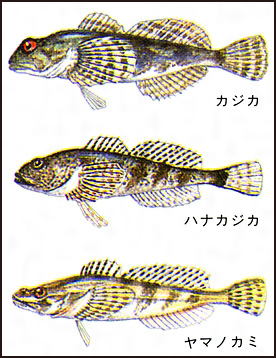
Yamanokami, Trachidermus fasciatus ヤマノカミ / 山ノ神
川の神 Kawanokami, Kawa no Kami
神勧請 Kamikanjo


- quote -
ヤマノカミ(山ノ神、学名 Trachidermus fasciatus )は、
カサゴ目カジカ科に属する魚の一種。アユカケと同じく「降河回遊」の生活史をもつ中型カジカ類の一種である。東アジアに分布するが、日本での分布は九州の有明海奥部とその流入河川に限られる。ヤマノカミ1種でヤマノカミ属を構成する。河口付近に作られた堰により稚魚の遡上が阻害され、生息数が減少している。

標準和名「ヤマノカミ」は福岡県筑後地方での呼び名に因み、
他の地方名としてヤマンカミ(福岡)カワンカミ、タチャ(福岡・佐賀)カンカンジョ(佐賀)などがある。
「山の神」「川の神」「神勧請」など、独特の外見や生活史から山の神信仰などとの関連付けが窺える。
- - - More in the WIKIPEDIA !
This fish is closely related to the belief in Yamanokami in various regions of Japan, especially Fukuoka and Saga.


- quote -
Trachidermus fasciatus is a species of fish in the superfamily Cottoidea, the sculpins, and the only member of the monotypic genus Trachidermus. Its common name is roughskin sculpin. It has also been called four-gilled perch.
It is native to the coastlines of China, Japan, and Korea, where it occurs at the mouths of rivers.
This species is about 20 cm (8 in) long and weighs up to 350 grams.It has a large, spineless head with a wide mouth and small eyes near the tip of the snout. The upper jaw is slightly projecting. The dorsal fin has 8 spines and 19 to 20 soft rays and the anal fin has no spines but 17 to 18 soft rays. This fish lacks scales but its body surface is textured with "knobbles". The gill opening is large and each gill has two orange stripes.
This fish lives in rivers, estuaries, and coastal ocean waters. It is catadromous; adults spawn on mudflats at the river mouths, and after hatching, the juveniles swim upstream to freshwater river habitat.
... The habitat of the fish is degraded in some areas, particularly the river mouths of coastal China. Pollution from rapid urban development, overfishing, and the construction of dams and dikes threaten the species in this region. Changes in the hydrology of the area, mainly from dams, are most concerning because they prevent the migration of the fish in the river systems.
- - - More in the WIKIPEDIA !

..............................................................................................................................................


It resembles the kajika カジカ family, Cottus pollux.


source : kotobank.jp/word...


:::::::::::::::::::::::::::::::::::::::::::::::::::::::::::::::::::::::::::::::::::::::::::::::::::::::::::::::::::::::::::::::::::::::::::::::::::::::::::::::::::::::::::::::::::::

- Reference : 日本語
- Reference : English

:::::::::::::::::::::::::::::::::::::::::::::::::::::::::::::::::::::::::::::::::::::::::::::::::::::::::::::::::::::::::::::::::::::::::::::::::::::::::::::::::::::::::::::::::::::

. Yama no Kami 山の神 Yamanokami - Introduction .

[ . BACK to DARUMA MUSEUM TOP . ]
[ . BACK to WORLDKIGO . TOP . ]
- #Trachidermus #yamanokamifish #fishyamanokami -
:::::::::::::::::::::::::::::::::::::::::::::::::::::::::::::::::::::::::::::::::::::::::::::::::::::::::::::::::::::::::::::::::::::::::::::::::::::::::::::::::::::::::::::::::::::

12 Mar 2019

EDO - denenchofu fuchu districts


Edo - the EDOPEDIA -


Denenchofu district Ota

Posted: 09 Mar 2019 08:55 PM PST

[ . BACK to DARUMA MUSEUM TOP . ]
. Famous Places and Power spots of Edo 江戸の名所 .
. Persons and People of Edo - Personen .
- Fuchu, see below
::::::::::::::::::::::::::::::::::::::::::::::::::::::::::::::::::::::::::::::::::::::::::::::::::::::::::::::::::::::::::::::::::::::::::::::::::::::::::::::::::::::::::::::::::::

Denenchoofu, Den-en-chōfu, Denenchōfu 田園調布 Denenchofu district
Ota, 田園調布 一丁目 - 五丁目 first to fifth sub-district


This is a very expensive residential area and many famous people lived here.
The area spreads like a fan from the Western side of the station 田園調布駅.

In 1918, 渋沢栄一 Shibusawa Eiichi (1840 - 1931) and others founded the company 田園都市株式会社 to built an "ideal residential area.
Before that it was simply called 調布村 Chofumura, Chofu village.
It was a rural area growing 麻 hemp and 荢, which was shipped down the river Tamagawa 多摩川 / 玉川 and made into cloth sold in 府中 Fuchu.
The character 調 was also read mitsuki みつき, a kind of tax on the local cloth.

- - - - - Other place names with Denenchofu::

Denenchofu Honcho 田園調布本町 - no sub-districts

Denenchofu minami 田園調布南 - no sub-districts

Tamagawa Denenchofu 玉川田園調布」in Setagaya(世田谷区)
一丁目 - 二丁目 first and second sub-district

..............................................................................................................................................

- quote -
Den-en-chōfu lies along the Tama River, the natural border between Tokyo and Kawasaki, Kanagawa. It is served by Den-en-chōfu Station on the Tōkyū Tōyoko and Meguro lines. Den-en-chōfu includes many detached suburban homes with a variety of styles, including Japanese neo-classical, Edwardian villas, Swiss cottages and modern architectural designs.
- History
Den-en-chōfu was built based on the "Garden City" idea originally developed by the British city planner Ebenezer Howard. It is one of the most famous and top-class residential towns where many executives have their dwellings. Being 10 km away from the center of Tokyo, the area contains natural parks. The area has its own regulations for construction in order to preserve the town feel to the area. The residences are fairly big compared to normal housing in other areas in Japan, and the district is often compared to Beverly Hills in Los Angeles, U.S.A.
Den-en-chōfu
was planned as a garden suburb of Tokyo. In the early 1900s, financier Eiichi Shibusawa bought, named and developed the area by emulating the garden suburbs that were growing in metropolitan areas around the world, particularly those in Greater London.
Although the area was developing at an adequate pace,
it was the Great Kantō Earthquake of 1923 that guaranteed his success. Central Tokyo was leveled in the earthquake, but Den-en-chōfu was virtually untouched; in the aftermath, the exodus of people from the central city to the less crowded, cleaner suburbs ensured that the Den-en-chōfu would prosper.
- - - More in the WIKIPEDIA !

. Chofu Tama River 調布の玉川 .
and the Mu Tamagawa 六玉川 Six Tama Rivers.


- quote -
Shibusawa Eiichi, 1st Viscount Shibusawa 渋沢 栄一, (1840 – 1931)
a Japanese industrialist widely known today as the "father of Japanese capitalism".

He spearheaded the introduction of Western capitalism to Japan after the Meiji Restoration. He introduced many economic reforms including use of double-entry accounting, joint-stock corporations and modern note-issuing banks.
He founded the first modern bank
based on joint stock ownership in Japan. The bank was aptly named The First National Bank (Dai Ichi Kokuritsu Ginkō, now merged into Mizuho Bank) and had the power to issue its own notes. Through this bank, he founded hundreds of other joint stock corporations in Japan. Many of these companies still survive to this day as quoted companies in the Tokyo Stock Exchange, which Shibusawa also founded. The Japanese Chamber of Commerce and Industry was founded by him as well. He was also involved in the foundation of many hospitals, schools, universities (including the first women's university), the Imperial Hotel in Tokyo and charitable organizations including the Japan Red Cross.
Another notable aspect of Shibusawa's career
is that, despite being the founder of hundreds of corporations, he refused to maintain a controlling stake in these corporations, effectively preventing himself from forming a zaibatsu. What is known as the Shibusawa zaibatsu was a holding company to look after his estate for his family. The Shibusawa Zaibatsu did not hold any controlling stake in any companies. Despite his lowly origin as a farmer, he was granted the title of Viscount, while all other zaibatsu founders were awarded the title of Baron. He was also awarded Shōnii, Second Honour under the ritsuryō rank system, which is usually given to high-ranking nobility and prime ministers.
- - - More in the WIKIPEDIA !

::::::::::::::::::::::::::::::::::::::::::::::::::::::::::::::::::::::::::::::::::::::::::::::::::::::::::::::::::::::::::::::::::::::::::::::::::::::::::::::::::::::::::::::::::::

- - - - - Some famous residents of Denenchofu - - - - -

Hamasaki Ayumi 浜崎あゆみ, singer
Hatoyama Yukio 鳩山由紀夫, former Prime Minister
Ishihara Shintaro 石原慎太郎, former governor of Tokyo
Itsuki Hiroshi 五木ひろし, singer
Kobayashi Yoshinori 小林よしのり, manga artist
Matsuura Max 松浦勝人 マックス, recording executive
Nagashima Shigeo 長嶋茂雄, baseball player/manager
Nakai Kiichi 中井貴一, actor
Nomura Katsuya 野村克也, baseball player/manager


::::::::::::::::::::::::::::::::::::::::::::::::::::::::::::::::::::::::::::::::::::::::::::::::::::::::::::::::::::::::::::::::::::::::::::::::::::::::::::::::::::::::::::::::::::

Fujimizaka 富士見坂(田園調布)Fujimi slope to see Mount Fuji


In former times, Mount Fuji could be seen from the top of the slope.
Nowadays there are too many high-rise buildings


Denenchofu Fujimi Hall
1 Chome-30-1 Denenchofu, Ōta


::::::::::::::::::::::::::::::::::::::::::::::::::::::::::::::::::::::::::::::::::::::::::::::::::::::::::::::::::::::::::::::::::::::::::::::::::::::::::::::::::::::::::::::::::::


- - - - - H A I K U and S E N R Y U - - - - -

鵯を呼び田園調布冬めける
kamo o yobi Denen Choofu fuyu mekeru

ducks are coming back
to Denenchofu -
beginning of winter

Tr. Gabi Greve

渋沢秀雄 Shibusawa Hideo, his haiku name was Shibutei 渋亭.
(1892 - 1984)
渋沢渋亭 Shibusawa Shibutei


. fuyu meku 冬めく winter is getting "like winter" .


::::::::::::::::::::::::::::::::::::::::::::::::::::::::::::::::::::::::::::::::::::::::::::::::::::::::::::::::::::::::::::::::::::::::::::::::::::::::::::::::::::::::::::::::::::


Fuchuu, Fuchū 府中 Fuchu city
Musashi 武蔵


東京都府中市

- quote -
a city located in western Tokyo Metropolis, Japan. As of 1 February 2016, the city had an estimated population of 261,488,...
The government of ancient Musashi Province was established in Fuchū by the Taika Reform, and the city prospered as the local center of politics, economy, and culture. It prospered as a post town on the Kōshū Kaidō in the Edo period, and the Kita Tama District public office was placed here after the start of the Meiji era.
...
645: With the Taika Reforms of the government of Musashi Province was established in Fuchū.
1333: The Battle of Bubaigawara was fought.
1602: The Fuchū post-town was established with the upgrading of the Kōshū-dochu road (Kōshū Highway).
1868: Nirayama Prefecture was established, ...
- - - More in the WIKIPEDIA !


- - - - - Fuchu Meisho Map of famous places
1.けやき並木 10.東京競馬場 19.常久一里塚 28.西蔵院
2.大国魂神社 11.ルミエール府中 20.白糸台掩体壕 29.二ケ村緑道
3.高札場 12.武蔵国衛跡地 21.本宿村 常夜燈 30.新田川緑道
4.多摩川 13.御殿地 22.多摩川砂利採掘場跡 31.下河原緑道
5.浅間山 14.国分寺参道口跡 23.府中の森公園 32.綜合卸売センター
6.多磨霊園 15.三千人塚 24.府中市美術館 33.武蔵の森公園
7.高安寺 16.高倉塚古墳 25.サントリー工場 34.武蔵野公園
8.分倍河原古戦場 17.御嶽塚 26.郷土の森 35.新田義貞の像
9.熊野神社 18.人見原古戦場 27.東郷寺 36.府中の森芸術劇場
- reference source : machinetfuchu.com/city/meisho/meisho... -


. post stations along the Kōshū Kaidō Highway .
9. Fuchū-shuku (府中宿) (Fuchū, Fuchu) / 甲州街道

. Musashi Fuchu Kumano Jinja Kofun 武蔵府中熊野神社古墳 .
2-9 Nishi-Fuchu, Fuchu city


::::::::::::::::::::::::::::::::::::::::::::::::::::::::::::::::::::::::::::::::::::::::::::::::::::::::::::::::::::::::::::::::::::::::::::::::::::::::::::::::::::::::::::::::::::


- - - To join me on facebook, click the image !

:::::::::::::::::::::::::::::::::::::::::::::::::::::::::::::::::::::::::::::::::::::::::::::::::::::::::::::::::::::::::::::::::::::::::::::::::::::::::::::::::::::::::::::::::::::

. Oota, Ōta 大田区 Ota ward .

. Musashi no Kuni 武蔵国 Musashi Province .


. Famous Places and Powerspots of Edo 江戸の名所 .

. Edo bakufu 江戸幕府 The Edo Government .

. Doing Business in Edo - 商売 - Introduction .

. shokunin 職人 craftsman, craftsmen, artisan, Handwerker .

. senryu, senryū 川柳 Senryu poems in Edo .

. Japanese Architecture - The Japanese Home .

. Interior Design - The Japanese Home .

. Legends and Tales from Japan 伝説 - Introduction .


[ . BACK to DARUMA MUSEUM TOP . ]
[ . BACK to WORLDKIGO . TOP . ]
- - - - - #denenchofu #chofu - - - -
::::::::::::::::::::::::::::::::::::::::::::::::::::::::::::::::::::::::::::::::::::::::::::::::::::::::::::::::::::::::::::::::::::::::::::::::::::::::::::::::::::::::::::::::::::
You are subscribed to email updates from Edo - the EDOPEDIA -.
To stop receiving these emails, you may unsubscribe now.
Email delivery powered by Google
Google, 1600 Amphitheatre Parkway, Mountain View, CA 94043, United States

EDO - Jiyugaoka Yutenji districts Meguro


Edo - the EDOPEDIA -


Jiyugaoka Yutenji districts Meguro

Posted: 08 Mar 2019 09:42 PM PST

[ . BACK to DARUMA MUSEUM TOP . ]
. Famous Places and Power spots of Edo 江戸の名所 .
. Persons and People of Edo - Personen .
::::::::::::::::::::::::::::::::::::::::::::::::::::::::::::::::::::::::::::::::::::::::::::::::::::::::::::::::::::::::::::::::::::::::::::::::::::::::::::::::::::::::::::::::::::

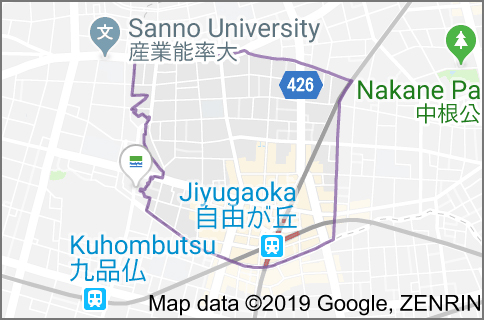
Jiyuugaoka, Jiyūgaoka 自由が丘 Jiyugaoka district
Meguro, Jiyugaoka 一丁目 - 三丁目 first to third sub-district


A rather expensive residential area.
The name refers to a university campus named 自由ヶ丘学園 Jiyugaoka gakuen.
In 1927, the 東急東横線 Toyokosen opened a line and because there was a temple with 阿弥陀如来 nine Amida Nyorai Buddha statues, the area was called
Kuhonbutsu 九品仏. The name of the new 東横線 Toyokosen station was also Kuhonbutsu.
In 1929, when the 東急大井町線 line was prolonged, the Kuhonbutsu station became its station name.
So the Toyoko sen station was re-named Jiyugaoka Station.
In 1932, the name Jiyugaoka was given to the whole district.
In 1965, the spelling was changed from 自由ヶ丘 to 自由が丘 (with Hiragana GA が ).

- quote -
..... The name also refers to the broader area surrounding Jiyūgaoka Station, which includes both Jiyūgaoka, part of Midorigaoka and nearby Okusawa (奥沢) in Setagaya.
..... There are numerous apparel stores, speciality goods stores, cafes and restaurants. Jiyūgaoka is often considered as one of the most desirable places to live in Tokyo. The middle class demographic is also reflected in the concentration of private schools in the neighbourhood and the large number of after school juku.
- History
Jiyūgaoka was largely rural until the late 1920s, when rail service commenced. On 28 August 1927, Kuhonbutsu-mae Station (九品仏前駅 Kuhonbutsu-mae eki) was established on the Tōyoko Line. In the same year, Jiyūgaoka-gakuen High School was opened.
The school name, 自由ヶ丘学園高等学校, literally "Liberal Hill Academy", due to its liberal education (part of the Taishō period liberal education movement, later gave rise to the name of the nearby station and thence the entire area, similarly to the neighboring stations of Toritsu-Daigaku Station and Gakugei-daigaku Station (named for universities formerly located in the area). ...
- - - More in the WIKIPEDIA !

.......................................................................


九品仏 浄真寺 Temple Kuhonbutsu (Kuhombutsu) Joshin-Ji
東京都世田谷区奥沢7-41-3 / Setagaya, 7-41-3 Okusawa


The temple was founded in 1678, the nine statues are a cultural property of Tokyo city.
Every three years the temple features a special festival,
o-men kaburi お面かぶり "wearing a mask".


A special bridge is built between the 本堂 main hall and the 三仏堂 Sanbutsu-Do hall and 25 selected people wearing the mask of a Bostatsu are allowed to walk over the bridge.

A similar ritual is held at the birth temple Tanjo-Ji of 法然上人 Saint Honen in Okayama 岡山県 誕生時.
. The Ceremony of the 25 Bosatsu 二十五菩薩練供養 .


. Kuhonbutsu Amida - Introduction .
Each statue features one of the
nine hand positions (mudra) of Amida Nyorai


::::::::::::::::::::::::::::::::::::::::::::::::::::::::::::::::::::::::::::::::::::::::::::::::::::::::::::::::::::::::::::::::::::::::::::::::::::::::::::::::::::::::::::::::::::


Yuutenji, Yūtenji 祐天寺 Yutenji district
Meguro, Yutenji 一丁目 - 二丁目 first and second sub-district


Mostly a residential area.
Yuten-Ji is a temple in honor of Saint Yuten and gives the name to this area.
. Yuuten, Yūten 祐天 Yuten Shami (1637 - 1718) .


::::::::::::::::::::::::::::::::::::::::::::::::::::::::::::::::::::::::::::::::::::::::::::::::::::::::::::::::::::::::::::::::::::::::::::::::::::::::::::::::::::::::::::::::::::


- CLICK for more photos of Jiyugaoka !


- - - - - H A I K U and S E N R Y U - - - - -

自由が丘の夕ベは氷る雪兎
Jiyugaoka no yuube wa kooru yuki-usagi

the night at
Jiyugaoka is freezing -
a snow rabbit


自由が丘の空を載せゆく夏帽子
Jiyugaoka no sora o noseyuku natsu booshi

summer hats
stick into the sky of
Jiyugaoka ...


山田みづえ Yamada Mizue (1926 - 2013)
Tr. Gabi Greve


::::::::::::::::::::::::::::::::::::::::::::::::::::::::::::::::::::::::::::::::::::::::::::::::::::::::::::::::::::::::::::::::::::::::::::::::::::::::::::::::::::::::::::::::::::


- - - To join me on facebook, click the image !

:::::::::::::::::::::::::::::::::::::::::::::::::::::::::::::::::::::::::::::::::::::::::::::::::::::::::::::::::::::::::::::::::::::::::::::::::::::::::::::::::::::::::::::::::::::

. Meguro ku 目黒区 Meguro ward .


. Famous Places and Powerspots of Edo 江戸の名所 .

. Edo bakufu 江戸幕府 The Edo Government .

. Doing Business in Edo - 商売 - Introduction .

. shokunin 職人 craftsman, craftsmen, artisan, Handwerker .

. senryu, senryū 川柳 Senryu poems in Edo .

. Japanese Architecture - The Japanese Home .

. Interior Design - The Japanese Home .

. Legends and Tales from Japan 伝説 - Introduction .


[ . BACK to DARUMA MUSEUM TOP . ]
[ . BACK to WORLDKIGO . TOP . ]
- - - - - #edo #jiyugaoka #yutenji - - - -
::::::::::::::::::::::::::::::::::::::::::::::::::::::::::::::::::::::::::::::::::::::::::::::::::::::::::::::::::::::::::::::::::::::::::::::::::::::::::::::::::::::::::::::::::::
You are subscribed to email updates from Edo - the EDOPEDIA -.
To stop receiving these emails, you may unsubscribe now.
Email delivery powered by Google
Google, 1600 Amphitheatre Parkway, Mountain View, CA 94043, United States

MINGEI - suzu tin pewter suzuki


[ . BACK to DARUMA MUSEUM TOP . ]
. Legends and Tales from Japan 伝説 - Introduction .
:::::::::::::::::::::::::::::::::::::::::::::::::::::::::::::::::::::::::::::::::::::::::::::::::::::::::::::::::::::::::::::::::::::::::::::::::::::::::::::::::::::::::::

suzu, suzuki, suzu-ki 錫器 tin, pewter ware - Zinn

. imono 鋳物 ironware, cast iron, metal art .
- Introduction -

quote
Japanese traditional tin ware
The manufacture of tin ware in Japan dates back to over 1,300 years.
Tin wares from Nara era are kept in Shôsô.in (Todaiji) of Nara. It was, along with gold and silver a popular precious metal for the noble families and prestigious shrines.
Frequently saucers and tin jars are used for the sencha-do (sencha ceremony), a practice which crystallizes in the 19th under the influence of the practice of tea scholars of the 17th and 18th centuries (themselves influenced by Qing China, to ensure about this post in French Stéphane from Tea Masters). Today they are often replaced with stainless steel objects because of the high price of tin.
source : florent japaneseteasommelier.wordpress....


:::::::::::::::::::::::::::::::::::::::::::::::::::::::::::::::::::::::::::::::::::::::::::::::::::::::::::::::::::::::::::::::::::::::::::::::::::::::::::::::::::::::::::
- ABC - List of tin / pewter ware from the Prefectures

..............................................................................................................................................


................................................................................ Kagoshima 鹿児島県

- quote -
In 1655, tin was discovered in the suburbs of Kagoshima City.
As the value of tin was on par with that of gold and silver at the time, it was an important financial resource for the Satsuma Domain.
As lifestyles changed after World War Two, demand waned, but its use has become popular again thanks to a special finishing technique called pear-skin finish and its soft luster and weighty feeling.
- source : pref.kagoshima.jp... -


- quote -
The traditional attraction of Satsuma Tinware lies in the aesthetic quality of its casting surface called nashiji-hada (pear-skin like surface), and the quality of the product is determined by its first production process called ikomi (casting).
The crystal structure of the metal,
produced when molten tin is poured into a mold, becomes the surface of tinware and cannot be modified in the later processes. During this process, a traditional craftsman holds his breath when slowly pouring tin into a mold.
When watching him throwing himself into work,
you will find marks like insect bites on his arms and chest. These are burn scars caused by splashes of molten tin.
Tinware is a craft
made with arts (molding and surface finish), casting theory of production technology, lathe cutting (machining), etching (chemistry), printing technology, and lacquering (paint).
- making process in detail
- [History of Satsuma Suzu-ki (Tinware)]
The origin of tinware making in Satsuma goes back to the time when a vein of tin was discovered by Yagi Mondonosuke Motonobu in a tin mine, deep in Taniyana, 20 kilometers south of Kagoshima City in 1655 and the lord of the Satsuma domain Shimazu Mitsuhisa obtained the permission of mining in 1701. This brought Satsuma nationwide recognition for its tin and tinware.
It is believed that the tinware began to be made in Satsuma after 1813 when the Taniyana-kozan mine began producing more tin.
In Saiyuki (Journey to the West) by Tachibana Nankei, which is said to be the representative work of travel literature in the Edo period (17-19c), he wrote, "In the castle town of far-away Satsuma Province, there were no ceramic bottles, but all bottles were made of tin."
Another type of tinware production brought from China to Kyoto developed in Osaka as a producing area. This is the origin of Naniwa Suzuki tinware with its branch schools in other areas and its production method is different from that of Satsuma Suzuki.
- source : jtco.or.jp/en/japanese-crafts... -

.......................................................................


薩摩錫器工芸館 岩切美巧堂 Iwakiri Misakido
4 Chome-18-2 Kokubuchuo, Kirishima, Kagoshima
- reference source : satsumasuzuki.co... -


錫彦 浅田錫器 Suzuhiko - Asada Suzuki
6-19 Tenokuchicho, Kagoshima, Kagoshima
- reference source : synapse.ne.jp/suzuhiko... -


................................................................................ Kyoto 京都

Seikadoo 清課堂 Seikado
462 Myomanjimae-cho, Teramachi-dori-Nijo-sagaru, Nakagyo-ku, Kyoto


- quote -
Seikado was established here in Kyoto in 1838 (Edo Period) as a pewterer and presently, we are the only pewter art craft speciality shop in Japan. Our 7th owner has devoted himself to making pewter arts as well as running exhibitions displaying a wide range of Japanese metal arts. The gallery introduces contemporary craftsmen.( not open on a regular basis. )
Although historically, Kyoto pewter crafts were originally developed and made available to only the upper classes, we have been endeavoring to design something which is equally in keeping with modern times as it is in maintaining respect for our traditional heritage. The next time you pay a visit to Kyoto, be sure to experience and share with us such distinctive Japanese beauty.
- Tradition
'Teramachi Street' on which Seikado is located, used to have many religious institutional buildings, such as temples and shrines as you can guess from its name. ("Tera" means temple.) We were making mainly religious artefacts when we first started our business. These Pewter religious artefacts which were made at this workshop are still seen in shrines all over Japan and they are an essential part of Gion Festival. The Imperial Palace is nearby and it is said that its Pewter sake cups were popular among the nobles of the past. Also, there is a tradition related to "tea" in Kyoto. The Pewter tea sets made at our workshop are essential to any good tea ceremony. We make a wide range of products, from those used in daily life to decorative, modern art, using not only pewter, but also silver and copper.
..... Pewter
It has been mainly used for kitchen utensils especially sake cups because it does not get corroded easily.
We mainly make pitchers and cups for sake. Pewter sake products are essential to those who love sake in Japan.
..... Silver / Copper / Brass / Bronze
- source : seikado.jp/english... -


................................................................................ Osaka 大阪


- quote -
Osaka Naniwa Pewter Ware 大阪浪華錫器
Pewter ware was first introduced to Japan some 1,300 years ago by envoys from China.
Later during the early part of the Kamakura period (1185-1333), the Zen monk Eisai visited Sung dynasty China and returned with a maker of tea urns. His skills with pewter are said to mark the real beginning of this craft in Japan. It was not until the 18th century, however, that a production center was established in Osaka.
Pewter is a very stable metal. It is ideal for such things as a sake flask as it does not affect the delicate flavors of this rice wine, and the taste of water kept in a pewter container is improved by an ionic action. It is also good for flower vases and especially good for the storage of such things as tea, which would deteriorate in anything less than an air-tight container due to high temperature and humidity.
- source : kougeihin.jp... -

.......................................................................

Osaka suzuki 大阪錫器 Osaka tin ware


6 Chome-6-15 Tanabe, Higashisumiyoshi Ward, Osaka / 大阪錫器 company
- reference source : osakasuzuki.co.jp -

- quote -
Osaka Naniwa tin ware
There are many kinds of drinking cups around the world. While the West offers various types of glassware, and Asia has a preference for ceramic cups, in Japan a tin cup style known as suzu-ki (tinware) can also be found in production.

Used since prehistoric times, tin was introduced to Japan by Kenzuishi, a Japanese envoy to Sui Dynasty China, and Kentoshi, a Japanese envoy to Tang Dynasty China, between the seventh and ninth centuries. Thereafter, tin began to be produced in Japan as well. But at the time, it was a material valued like gold and silver are today, so it was only used in limited settings, including the imperial court.

In the Edo Period (1603-1868), tinware became popular among the general public in the form of drinking cups and Japanese tea sets. By the middle of the period, the manufacture and sale of tinware began to center on parts of Osaka, with strong distribution channels in areas such as Shinsaibashi and Tenjinbashi. This heralded the beginning of Osaka Naniwa tinware.


While Naniwa tinware quickly evolved into a full-fledged industry, the start of World War 2 led many craftsmen to be drafted, and material procurement became difficult, plunging the technique into crisis. Following the war, craftsmen from around Osaka gathered to maintain the tradition of Osaka Naniwa tinware, and the industry was reborn. It was recognized by the Japanese government as a traditional craft in 1983.

Tinware is used for a wide variety of products due to its combination of practicality and aesthetic appeal. It is characterized by strong ion properties that have purifying effects on liquids, particularly removing zatsumi (unfavorable taste) from saké to make it smooth and delicious. Tin is also reputed for moisture protection, and is said to help maintain the freshness of tea leaves, making it suited for drinking cups, pots and teacups. Also, given its beautiful, clean color, it's used for various products including cassolettes, cinnabar seal ink cases, Buddhist or Shinto religious instruments, and decorations.

Osaka Naniwa tinware boasts a tin percentage of more than 97 percent, and this high degree of purity truly brings out the benefits of tin.
- source : japan-brand.jnto.go.jp/crafts/metal -


:::::::::::::::::::::::::::::::::::::::::::::::::::::::::::::::::::::::::::::::::::::::::::::::::::::::::::::::::::::::::::::::::::::::::::::::::::::::::::::::::::::::::::

. . . CLICK here for Photos 錫器 !

. Reference .

:::::::::::::::::::::::::::::::::::::::::::::::::::::::::::::::::::::::::::::::::::::::::::::::::::::::::::::::::::::::::::::::::::::::::::::::::::::::::::::::::::::::::::


. Legends and Tales from Japan 伝説 - Introduction .

................................................................................. Miyagi 宮崎県
西臼杵郡 Nishi-Usuki district 日之影町 Hinokage town

kome no batsu 米の罰 punishment of rice
At mount 大福山 Daifukuyama there was the 大吹錫鉱山 ObukiTin Mine. It had been establishe by 高見但馬守 Takami Tajima no Kami.
Around 1700, in the estate of Tajima no kami there worked a woman in the kitchen who always burned the rice and in fear of being scolded buried the brown parts in the ground.
A few days later she dug them out and from the hole a violet smoke rose high into the sky. The woman lost her eyesight.
This was the revenge of the rice.

..............................................................................................................................................

- reference : nichibun yokai database 妖怪データベース -

:::::::::::::::::::::::::::::::::::::::::::::::::::::::::::::::::::::::::::::::::::::::::::::::::::::::::::::::::::::::::::::::::::::::::::::::::::::::::::::::::::::::::::


- - - - - Haiku and Senryu - - - - -


涼しさは錫の色なり水茶碗
suzushisa wa suzu no iro nari mizu chawan

the coolness comes
from the color of pewter -
my water bowl


Itoo Shintoku 伊藤信徳 Ito Shintoku (1633 - 1698)
Genroku Haiku Poet

. WKD : suzushisa 涼しさ coolness .
- kigo for all Summer -

:::::::::::::::::::::::::::::::::::::::::::::::::::::::::::::::::::::::::::::::::::::::::::::::::::::::::::::::::::::::::::::::::::::::::::::::::::::::::::::::::::::::::::


. Join the MINGEI group on facebook ! .  


. Regional Folk Toys from Japan .

. Japan - Shrines and Temples .


. Tohoku after the BIG earthquake March 11, 2011

[ . BACK to WORLDKIGO . TOP . ]
[ . BACK to DARUMA MUSEUM TOP . ]
- - - #pewter #tin #Zinn #suzuki #suzu-ki - - - - -
:::::::::::::::::::::::::::::::::::::::::::::::::::::::::::::::::::::::::::::::::::::::::::::::::::::::::::::::::::::::::::::::::::::::::::::::::::::::::::::::::::::::::::

--
Posted By Gabi Greve to Omamori - Japanese Amulets on 2/20/2019 09:49:00 am

Unsubscribe from new post emails for this blog.