20 Mar 2016

SHRINE - Kaso shrine for sweets Kyoto

http://japanshrinestemples.blogspot.jp/2016/03/kaso-jinja-kyoto.html
.

Kaso Jinja Kyoto

[ . BACK to DARUMA MUSEUM TOP . ]
. Shinto Shrine (jinja 神社) - Introduction .
:::::::::::::::::::::::::::::::::::::::::::::::::::::::::::::::::::::::::::::::::::::::::::::::::::::::::::::::::::::::::::::::::::::::::::::::::::::::::::::::::::::::::::::::::::::

Kaso Jinja 菓祖神社 Kaso Shrine, Kyoto
Kaso Sha 菓祖社
Kasojin 菓祖神 (かそじん) Deity of Sweets


. Wagashi 和菓子 Japanese Sweets - Introduction .
The love of the Japanese for sweets goes way back to the Heian period, where they were mostly made of fruits, nuts and bean paste and called fruit (kudamono くだもの). Their origin was mainland China, so they were also called "Chinese cakes" 唐菓子. The citrus fruit Tachibana 橘 was introduced in the Heian period.


This shrine was built in by the sweets merchants of Kyoto in 1957, November 11.
It has deities in residence from three Shrines

兵庫県中島神社 Hyogo - Nakashima Jinja
和歌山県橘本神社 Wakayama - Kitsumoto Jinja
奈良県林神社 Nara - Rin Jinja (dedicated to the Deity of 饅頭 Manju sweets)

- - - - - Deities in residence - - - - -
Tajimamori no Mikoto 田道間守命
Hayashijooin no Mikoto 林浄因命 Hayashi Join

- details see below -


- - - - - HP of the Shrine
京都府京都市左京
- source : kyotokashioroshi.jp/okashi -

..............................................................................................................................................

Yearly Festivals 年中行事

春季大祭:4月19日 Spring Festival
秋季大祭:11月11日 Autumn Festival

:::::::::::::::::::::::::::::::::::::::::::::::::::::::::::::::::::::::::::::::::::::::::::::::::::::::::::::::::::::::::::::::::::::::::::::::::::::::::::::::::::::::::::::::::::::


兵庫県中島神社 Hyogo Nakashima Jinja
A Shrine for the Deity of Sweets 菓祖・菓子の神.


Another deity at this Shrine is
天湯河棚神 Amenoyukawatana no Kami


1 Miyake, Toyooka, Hyogo
田道間守命は天日槍命の5世の子孫で、『日本書紀』に記される垂仁天皇の命により常世の国から「非時香果(ときじくのかぐのみ)」(橘のこと)を持ち返っ たとされる人物である[2]。橘は菓子の最上級品とされたことから、菓子の神・菓祖として崇敬される。また、現鎮座地に居を構えて当地を開墾し、人々に養 蚕を奨励したと伝えられることから、養蚕の神ともされる。
- source : ja.wikipedia.org -


Amenoyukawatana / Ameno-Yukawatana / Yukawatana
- source : nihonshoki.wikidot -

..............................................................................................................................................


和歌山県橘本神社 Wakayama Kitsumoto Jinja


Mikan Matsuri みかん祭り Mikan Sweets Festival
April 03.


source : guruwaka.com/mikan-matsuri

Members of the confectionery industry come here to pray for good business.
More than 150 different sweets and Mikan from all parts of Japan are given as offerings.

和歌山県海草郡下津町橘本
- source : konchi/kitumoto/menu -


..............................................................................................................................................

奈良県林神社 Nara Rin Jinja
In the compound of 漢國神社内 Kango Jinja

dedicated to the Deity of 饅頭 Manju steamed buns


Hayashijooin no Mikoto 林浄因命 Hayashi Join, Rin Join


奈良市漢國町二番地
- source : kangou-jinja.jp/rinjinja -


:::::::::::::::::::::::::::::::::::::::::::::::::::::::::::::::::::::::::::::::::::::::::::::::::::::::::::::::::::::::::::::::::::::::::::::::::::::::::::::::::::::::::::::::::::::


. Tajimamori no Mikoto 田道間守命 (たぢまもりのみこと) .
ancestor of Mikan and Sweets


..............................................................................................................................................


Hayashijooin no Mikoto 林浄因命 (はやしじょういんのみこと)Hayashijoin


source : shiose.co.jp

Hayashi Join 林浄因 (林浄因 りんじょういん Rin Join) came from Zhejiang in Eastern China, his descendant is 林和靖 Rin Wasei.
He was the first to make Manju (mantoo 饅頭(マントゥ)in Japan. Manju made at the Kango Jinja Shrine 漢國神社社 became famous and later were offered to the Imperial Court and the Ashikaga Shogun.
林宗二 Hayashi Soji (Manjuya Soji 饅頭屋宗二 1498 - 1581). He was also called 林逸(りんいつ) Rin Itsu.
He published a Japanese-language dictionary in Iroha order of the Japanese alphabet:
饅頭屋本節用集, (せつようしゅう) Setsuyoshu.
- reference : kangou-jinja.jp -

:::::::::::::::::::::::::::::::::::::::::::::::::::::::::::::::::::::::::::::::::::::::::::::::::::::::::::::::::::::::::::::::::::::::::::::::::::::::::::::::::::::::::::::::::::::

. Shrine, Shinto Shrine (jinja 神社) - Introduction .

. kami 神 Shinto deities - ABC-LIST - .

- #kasojinja #wagashideity #rinjoin #hayashijoin #tajimamori -
:::::::::::::::::::::::::::::::::::::::::::::::::::::::::::::::::::::::::::::::::::::::::::::::::::::::::::::::::::::::::::::::::::::::::::::::::::::::::::::::::::::::::::::::::::::

[ . BACK to DARUMA MUSEUM TOP . ]
[ . BACK to WORLDKIGO . TOP . ]

:::::::::::::::::::::::::::::::::::::::::::::::::::::::::::::::::::::::::::::::::::::::::::::::::::::::::::::::::::::::::::::::::::::::::::::::::::::::::::::::::::::::::::::::::::::

KAPPA - Kankara Boshi from Mie

http://kappapedia.blogspot.jp/2014/12/legends-about-kappa.html

:::::::::::::::::::::::::::::::::::::::::::::::::::::::::::::::::::::::::::::::::::::::::::::::::::::::::::::::::::::::::::::::::::::::::::::::::::::::::::::::::::::::::::

Mie 三重県 

- quote -
There is a restaurant called "Kappa club" in my hometown 紀北町 Kihoku-cho, Mie Pref..
When a boy is born in the house of the fisherman in my hometown, manners and customs to have they go with Minato-ya of Honmachi on 11th for New Year holidays and take the cup of parent and child and exchange it stay even now.
湊治郎左衛門 Jirozaemon Minato lived in 長島浦 Nagashima-ura was in the middle of crossing the 赤羽川 Akaba river on the back of his white horse, when the tail of his horse was caught by Kankarakoboshi (Kappa).
When Jirozaemon slashed with his sword, they left the right arm which kankarakoboshi (kappa) screamed, and was catching a tail and escaped in a river.
Because Kankarakoboshi appeared in the evening of the third day after Jirouzaemon took the arm home with, he got his arm back and made a promise to be able to never let the person of the whole families of this house die in the sea and a river.
Thereafter the people of the Minato family didn't seem to encounter drowning in the sea or a river.


When a boy is born in a family of the village which just runs fishery after it for nearly 400 years, they go to the Minato's for New Year holidays and in them for the first time, and a custom to exchange the cup of sake making the vow of parent and child.
Thus the Kappa will also protect them.

- source : Yuichi on facebook -


かんからこぼし Kankara Koboshi


- Look at more illustrations here:
- reference : bunka.pref.mie.lg.jp/minwa  -

:::::::::::::::::::::::::::::::::::::::::::::::::::::::::::::::::::::::::::::::::::::::::::::::::::::::::::::::::::::::::::::::::::::::::::::::::::::::::::::::::::::::::::

DARUMA Mingei - tiles, Kacheln

http://darumamuseum.blogspot.jp/2016/03/tile-kachel.html
.

tile Kachel

[ . BACK to DARUMA MUSEUM TOP . ]
:::::::::::::::::::::::::::::::::::::::::::::::::::::::::::::::::::::::::::::::::::::::::::::::::::::::::::::::::::::::::::

tairu タイル tile, Kachel


A Spanish tile with Daruma san スペインタイル

- source : eigotoyoganojikan.blog65

.......................................................................

タイル屋さん


- source : daruchan.com -

:::::::::::::::::::::::::::::::::::::::::::::::::::::::::::::::::::::::::::::::::::::::::::::::::::::::::::::::::::::::::::


. Kappa tairu 河童のタイル Kappa tile .
- The Water Goblin on the Road -


:::::::::::::::::::::::::::::::::::::::::::::::::::::::::::::::::::::::::::::::::::::::::::::::::::::::::::::::::::::::::::

[ . BACK to DARUMA MUSEUM TOP . ]
[ . BACK to WORLDKIGO . TOP . ]
- #tairu #tiledaruma -
:::::::::::::::::::::::::::::::::::::::::::::::::::::::::::::::::::::::::::::::::::::::::::::::::::::::::::::::::::::::::::

18 Mar 2016

KAPPA - warai onna TOSA yokai

http://kappapedia.blogspot.jp/2016/03/laughing-woman-yokai.html

laughing woman yokai

:::::::::::::::::::::::::::::::::::::::::::::::::::::::::::::::::::::::::::::::::::::::::::::::::::::::::::::::::::::::::::::::::::::::::::::::::::::::::::::::::::::::::::::::::::
- Yōkai 妖怪 Yokai monsters - - ABC-Index -
:::::::::::::::::::::::::::::::::::::::::::::::::::::::::::::::::::::::::::::::::::::::::::::::::::::::::::::::::::::::::::::::::::::::::::::::::::::::::::::::::::::::::::::::::::

- warai onna 笑い女 the laughing woman
sanboku no warai onna 山北の笑い女 from the Northern Mountain -

and two more Yokai from the Tosa region 3大妖魔 :


勝賀瀬の赤頭 the red head of Shogase
本山の白姥 the white old hag from Motoyama

- - - - - and more about
Tosa no Yokai 土佐の妖怪 The Yokai monsters of Tosa

Kochi Tosa 土佐 高知県 安芸郡和食村 Aki district, Wajiki
高知県香南市 Konan town and other regions

- quote
She is a special Yokai of the mountains of Tosa.
Her stories are told since the late Edo period until the early Meiji period.
She is mentioned in the book
Tosa Bakemono Ehon 土佐化物絵本 Picture Book of Yokai from Tosa.


Every month on the first, ninth and 17th day, if people went into the mountain forests, they came home more dead than alive.
- but once upon a time
a man called Higuchi 樋口関太夫 did not pay heed to this, told his men to follow him and went into the forest. Suddenly a girl of about 17 or 18 years appeared, pointed at Higuchi with her finger and laughed loudly. Her laugh became higher and higher, and all things in the forest, the stoned, plants, the water and wind, all laughed loud.
Higuchi and his men were stuck with fear and run away back home. At the foot of the mountain his men all fainted, but Higuche made it to his home. But until his death he could never forget the laugh of this devilish situation.

A similar story has been told about
warai otoko 笑い男(わらいおとこ) the Laughing Man.
Here the hero is a young man and Higuchi could never forget his laugh, which sounded in his ear like the shot of a gun every time he remembered the situation.

In the village of 芸西村白髪 Shirege at タカサデ山 Mount Takasadeyama two old women went to pick 山菜 wild herbs in the mountain. A young woman showed up and started laughing. The two old ladies soon begun to laugh with her. When the young woman disappeared, they could not stop laughing and developed a high fever for a few days.

In 香南市 Konan town at the ruins of the Doi castle 土居城 the laughing woman was killed by a sword. In the compound there is a small Shinto sanctuary 祠, ツルギ様 Tsurugi sama, where this sword is venerated.

In 土佐山村 Tosayama village the laughing woman appears when the wheat is ripening.

In many villages, they say the laughing woman is in fact a Tanuki 狸.
- reference ; wikipedia

.......................................................................
南宇和郡 Minamiuwa district

An ancestor of Hirata 僧都の平田 has met the laughing woman. When he flet to his home and closed the door, her hair became like a tree, knocking on the door until it had a hole.

.......................................................................
橋上村 Hashigami village

She comes out in the deep mountain and laughs geragera ゲラゲラ, but she is invisible.

.......................................................................
In the hamlet of 和食村 Wajiki
there lived a man deep in the mountains and blew his Shakuhachi every night in front of his hut. One day a beautiful woman came up and asked him to play the Shakuhachi for her. She said her name was "Laughing Woman".
The man smiled and told her he would play a tune to make her laugh.
Her laugh became louder and louder as he blew his Shakuhachi and was heard all over the mountain.
Now the man became angry and threw his ax and hammer at her, but the woman just picked them up and ate them with good appetite.
When the man did not know what to do any more now, suddenly the sound of a rooster came up from the valley and the "Laughing Woman" disappeared.
But the voice of the rooster did not come from an animal, but from an amulet that was hanging at the breast of the man to protect him.
This is a dangerous Yokai, because if you begin to laugh with her, you will be eaten by her.

. komusoo 虚無僧 Komuso and the Shakuhachi Flute 尺八 .
- Introduction -


:::::::::::::::::::::::::::::::::::::::::::::::::::::::::::::::::::::::::::::::::::::::::::::::::::::::::::::::::::::::::::::::::::::::::::::::::::::::::::::::::::::::::::::::::::

Shoogase no akagashira 勝賀瀬の赤頭 the red head of Shogase
Shogase is located in いの町 Ino, Agawa District, Kochi Prefecture

Once a man from the village met this Yokai and felt like looking into the red sunrise, but soon became very ill and almost lost his eyesight. After special treatment he could then see again.


- - - More in the WIKIPEDIA !

A red-headed Yokai is also known in other parts of Japan, like Tottori.
It is often depicted with red hair instead of a red head or face.
Images are found in the Hyakki Yagyo Emaki 百鬼夜行絵巻 illustrated book of 100 Oni

- quote -
A plant-like humanoid with intense red hair that can burn ones eyes if looked at.


- source : yokai.wikia.com/wiki -


..............................................................................................................................................

Motoyama no hakuba 本山の白姥 the white old hag from Motoyama
Motoyama village is located in Nagaoka District, Kōchi Prefecture


source : saikohime.blog35.fc2.com

There is not much to be found about this Yokai.

:::::::::::::::::::::::::::::::::::::::::::::::::::::::::::::::::::::::::::::::::::::::::::::::::::::::::::::::::::::::::::::::::::::::::::::::::::::::::::::::::::::::::::::::::::

waraiotoko, warai otoko 笑男 the laughing man


source : geocities.jp/kyoketu

:::::::::::::::::::::::::::::::::::::::::::::::::::::::::::::::::::::::::::::::::::::::::::::::::::::::::::::::::::::::::::::::::::::::::::::::::::::::::::::::::::::::::::::::::::

Tosa no kechibi 土佐の鬼火 / けち火 "demon fire" from Tosa

- quote -
人間の怨霊が火の玉と化したものとされ、草履を3度叩くか、草履に唾をつけて招くことで招きよせることができるという[1]。火の中には人の顔が浮かんでいるともいう[2]。
海上に現れるともいい、そのことから船幽霊の一種ともいわれる[3]。奈良県に伝わる怪火・じゃんじゃん火と同一視されることもある[4]。


民話研究家・市原麟一郎 Ichihara Rinichiroの著書によれば、大きく二つに大別され、人が死んだ瞬間にその肉体から発生したものと、眠っている人間から発生するものとがあるとされる[5]。

後者の事例としては、明治初期の高知県香美郡(現・香美市 Kami district)の以下のような民話がある。Yoshiyan 芳 やんという男が夜道を歩いていると、物部川のそばで道端にけち火が転がっていた。近づくところころと転がりだすので、好奇心から追いかけたところ、けち火 も逃げ出し、その内に人家に入り込んだ。その家では、うなされながら寝ていた男が目を覚まし、妻に「芳やんが追いかけて来るので必死に逃げて来た」と語っ たという[6]。

また同じく明治時代の高岡郡 Takaoka の民話では、斎藤熊兄という度胸のある男がけち火を目撃し、「ここまで飛んで来い」と怒鳴ったところ目の前に飛来して来た。斎藤はけち火を生け捕りにしよ うとするが、手でつかんだり足で踏みつけようとするたびにけち火は消え、また現れを繰り返した。ようやく両手でつかみ取って家へ持ち帰ったが、家で手を開 くと、いつの間にかけち火は消えていた。翌日から熊兄は原因不明の熱病にかかり、そのまま死んでしまったという[7]。

江戸時代の土佐国(現・高知県)の妖怪絵巻『土佐お化け草紙』(作者不詳)では、鬼火と書いて「けちび」とふりがながふられている[8]。
- source : wikipedia -

.......................................................................

- quote -
Kechibi 
It is stated to be the onryō of humans turned into balls of fire, and it is said to be possible to beckon for it by beating a zōri three times, or putting saliva on the zōri and calling for it. It is also said that the face of a human floats in the fire.

They are also said to appear above water, and from this they are sometimes called a type of funayūrei. In the Nara Prefecture, they are sometimes seen to be the same as the kaika janjanbi.

According to the folklore researcher Rinichiro Ichihara's book, they are largely split into two different kinds, the ones that come forth from the flesh the instant a human dies, and those that come from humans while they sleep.


As an example of the latter, there was a folktale as follows from the Kami Distrinct, Kōchi Prefecture from the early Meiji period.
When a man called Yoshiyan was walking through the road at night, beside the Monobe River, there was a kechibi turned over on the roadside. Upon coming closer to it, it would start rolling around, and when he chased it due to curiosity, the kechibi would also run away, and eventually he found himself entering a person's home. In that home, a man who was having a nightmare woke up, and said to his wife, "Yoshiyan was chasing me, so I ran away desperately."

Also, as a folktale in the Takaoka District also from the Meiji Period, a man with much bravery named Kumaani Saitō witnessed a kechibi, and when he shouted, "come fly over here," it flew right in front of him. Saitō attempted to catch the fire alive, but each time he tried to catch it in his hand or tread on it with his feet the kechibi would disappear, and then reappear over and over. He finally captured it in both hands and took it back to his home, but at his home, when he opened his hand, the kechibi had already disappeared before he knew it. The next day, Kumaani had a fever of unknown cause, and died just like that.

In the Tosa Obake Zōshi, a Yōkai Emaki from the Tosa Province in the Edo Period, it was written as 鬼火 and had furigana indicating a reading of "kechibi."
- source : america.pink/kechibi -


. onibi 鬼火 "devil's fire", will-o'-the-wisp .
"fox fire", kitsunebi 狐火 (きつねび)
- kigo for all winter -
"a mysterious light associated with spirits, found in various folklore tales"


:::::::::::::::::::::::::::::::::::::::::::::::::::::::::::::::::::::::::::::::::::::::::::::::::::::::::::::::::::::::::::::::::::::::::::::::::::::::::::::::::::::::::::::::::::

- reference : nichibun yokai database -

.......................................................................


『あの世・妖怪・陰陽師―異界万華鏡・高知編』
- reference : - d.hatena.ne.jp

.......................................................................


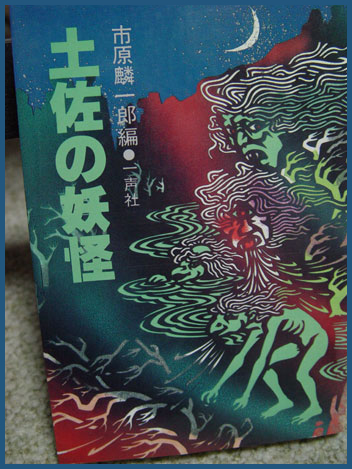
土佐の妖怪 Tosa no Yokai - - 市原麟一郎 Ichihara Rinichiro


- reference -

:::::::::::::::::::::::::::::::::::::::::::::::::::::::::::::::::::::::::::::::::::::::::::::::::::::::::::::::::::::::::::::::::::::::::::::::::::::::::::::::::::::::::::::::::::


. - - - Join my Yokai friends on facebook ! - - - .

:::::::::::::::::::::::::::::::::::::::::::::::::::::::::::::::::::::::::::::::::::::::::::::::::::::::::::::::::::::::::::::::::::::::::::::::::::::::::::::::::::::::::::::::::::

. - yookai, yōkai 妖怪 Yokai monsters - .
- Introduction -

. Legends and Tales from Japan 伝説 - Introduction .


. Kappa densetsu 河童伝説, Kappa minwa 河童民話 - Legends - Introduction .

. Mingei 民芸 Regional Folk Art from Japan .

- #waraionnatosa #akagashira #tosayokai #waraiotoko #tosayokai -
:::::::::::::::::::::::::::::::::::::::::::::::::::::::::::::::::::::::::::::::::::::::::::::::::::::::::::::::::::::::::::::::::::::::::::::::::::::::::::::::::::::::::::::::::::

[ . BACK to DARUMA MUSEUM TOP . ]
[ . BACK to WORLDKIGO . TOP . ]

:::::::::::::::::::::::::::::::::::::::::::::::::::::::::::::::::::::::::::::::::::::::::::::::::::::::::::::::::::::::::::::::::::::::::::::::::::::::::::::::::::::::::::::::::::

HEIAN - Komuso legends

http://heianperiodjapan.blogspot.jp/2016/03/komuso-legends.html

Komuso legends

- BACK to the Daruma Museum -
. Japanese legends and tales 伝説 民話 昔話 - Introduction .
::::::::::::::::::::::::::::::::::::::::::::::::::::::::::::::::::::::::::::::::::::::::::::::::::::::::::::::::::::::::::::::::::::::::::::::::::::::::::::::::::::::::::::::

komusoo 虚無僧 伝説 Komuso legends about begging mendikant monks

. Komuso and the Shakuhachi Flute 尺八 .
- Introduction -


Isoda Koryūsai 磯田湖竜斎  (1735–1790)
Komuso and Beauties

- quote -
The komusō (虚無僧 komusō, hiragana: こむそう; also romanized komusou or komuso)
"monks of nothingness"
were a group of Japanese mendicant monks of the Fuke school of Zen Buddhism who flourished during the Edo period of 1600-1868. Komusō were characterized by a straw bascinet (a sedge or reed hood named a tengai or tengui) worn on the head, manifesting the absence of specific ego.
They were also known for playing solo pieces on the shakuhachi (a type of Japanese bamboo flute). These pieces, called honkyoku ("original pieces"), were played during a meditative practice called suizen, for alms, as a method of attaining enlightenment, and as a healing modality. The Japanese government introduced reforms after the Edo period, abolishing the Fuke sect. Records of the musical repertoire survived, and are being revived in the 21st century.


They wore a straw basket (tengai 天蓋) that covered their head as they played. Because some of these komuso were in fact spies for the government,
- - - More in the WIKIPEDIA !

..............................................................................................................................................


. どんころ独楽 Donkoro spinning top for gambling .
with a Komuso image on one side

::::::::::::::::::::::::::::::::::::::::::::::::::::::::::::::::::::::::::::::::::::::::::::::::::::::::::::::::::::::::::::::::::::::::::::::::::::::::::::::::::::::::::::::


Komuso Dolls - click for more !

mamako no utae 継子の訴え complaint of a stepchild
While the father had to go on a trip, his two children were killed by the stepmother. A Komuso buried the two children, made a Shakuhachi from the bamboo near the grave and blew it. The sound reached the ears of the father and he returned as fast as he could. He recovered the bodies from the grave and put the stepmother to trial and punishment.
This is the origin of the Shakuhachi melody called
「継子と笛」「継子と鳥」.
- reference : blogs.yahoo.co.jp/therinmeis1979 -


..............................................................................................................................................

shakuhachihebi 尺八蛇 Shakuhachi Serpent
tsuchi no hebi 槌の蛇 "hammer snake"


source : nazo108.sblo.jp/article

. nozuchi 野槌 tsuchinoko ツチノコ / 槌の子 "hammerspawn" snake .
- Introduction -

::::::::::::::::::::::::::::::::::::::::::::::::::::::::::::::::::::::::::::::::::::::::::::::::::::::::::::::::::::::::::::::::::::::::::::::::::::::::::::::::::::::::::::::


source and more komuso monsters : togetter.com/li

お猪口が變化した小さな虚無僧のような姿をした妖怪
little Toad monster wearing a 猪口 Sake cup as Komuso hat.

::::::::::::::::::::::::::::::::::::::::::::::::::::::::::::::::::::::::::::::::::::::::::::::::::::::::::::::::::::::::::::::::::::::::::::::::::::::::::::::::::::::::::::::
- - - - - ABC List of the prefectures - Komuso and Shakuhachi legends:

........................................................... Kagawa 香川県 .............................................................

yumemi 夢見 seeing a dream
Once a man was on the pilgrimage to Konpira san in Shikoku 金毘羅参り. On the way he saw a bamboo shoot coming out and growing big right in front of his eyes. So he cut the bamboo and made a Shakuhachi out of it. When he blew it, the melody sounded like:

笛も太鼓もいらんぞ、ととさま恋しや
I need no flute or drum, I long for my daddy!


When the man returned home - - - you know the tragic end from the story above.
Therefore in Kagawa it is a bad omen to see a large bamboo shoot in a dream.

..............................................................................................................................................


source : geocities.jp/shaku8tm/komusou

虚無僧人形 hand-made bamboo dolls - click for more !


........................................................... Kochi 高知県 .............................................................
安芸郡和食村 Aki district / Tosa 土佐

warai onna 笑い女 the laughing woman
In the hamlet of Wajiki there lived a man deep in the mountains and blew his Shakuhachi every night in front of his hut. One day a beautiful woman came up and asked him to play the Shakuhachi for her. She said her name was "Laughing Woman".
The man smiled and told her he would play a tune to make her laugh.
Her laugh became louder and louder as he blew his Shakuhachi and was heard all over the mountain.
Now the man became angry and trew his ax and hammer at her, but the woman just picked them up and ate them with good appetite.
When the man did not know what to do any more now, suddenly the sound of a rooster came up from the valley and the "Laughing Woman" disappeared.
But the voice of the rooster did not come from an animal, but from an amulet that was hanging at the breast of the man to protect him.
This is a dangerous Yokai, because if you begin to laugh with her, you will be eaten by her.

. warai onna 笑い女 the laughing woman .
and more about 土佐の妖怪 Yokai Monsters from Tosa


........................................................... Kumamoto 熊本県 .............................................................

kani no hi 蟹の火 the light of a crab
Once a Komuso walked in the mountains, when a green-whitish light came nearer. The Komuso questioned it and found out it was a malicious crab. So he hit the crab with his Shakuhachi and killed it.
This is why the local crabs (gazami ガザミ) in the Amakusa region 天草地方 to our day have a scar on the back of their shell.


source : amakoma.sakura.ne.jp/diary

.......................................................................

The sad story of the stepchildren is also told. In this version, the father was visiting Kyoto.
The stepmother killed the children by boiling them in a huge chauldron.


..............................................................................................................................................

Komuso Kappa 虚無僧河童


- at yahoo auctions -

. 河童 / かっぱ / カッパ - Kappa, the Water Goblin of Japan! .


........................................................... Kyoto 京都府 .............................................................

kosha 瞽者 a blind person
A blind man named Joomatsu 城松 Jomatsu had very keen ears and was quite skillful in playing the Shakuhachi. When he played toward a waterfall, the sound of the waterfall was not heard any more. One day in the early Edo period, in the morning suddenly there was a stange sound of wind and waves when he played.
And that evening, a strong earthquake hit the region.


........................................................... Osaka 大阪 .............................................................

yookai 妖怪 monster
In the year 1774 in October every day there walked a Samurai from Osaka in the area of Mount Sanadayama 真田山. Many could hear him but not see him. Once a Komuso and a villager walked together and the villager realized that the Komuso was in fact a Yokai monster. So he decided to kill him but could not see him any more. He must have fled in fear.


........................................................... Tochigi 栃木県 .............................................................
宇都宮市 Utsunomiya

daija 大蛇 large serpent
In the beginning of the Meiji period there lived a craftsman who made Chinese lutes (gekkin 月琴). He used the skin of serpents to cover the body.
One evening he was sitting in front of his shop, playing the Shakuhachi. He saw a large serpent coming down the hill and winding itself around his flute. The man soon killed the serpent, but he became ill and died soon afterwards.


........................................................... Yamanashi 山梨県 .............................................................

somabito 杣人 forest worker
When the forest workers go to the mountain forest for work, they take along a person skilled in Shakuhachi playing. They start after he has performed one melody.
This is because the 天狗 Tengu, who is the 山の神 "Deity of the Mountain", liked to hear Shakuhachi.


source : fuwaiin.com/kenendou/hougaku - 正和会

尺八合同競演会(天狗会)


::::::::::::::::::::::::::::::::::::::::::::::::::::::::::::::::::::::::::::::::::::::::::::::::::::::::::::::::::::::::::::::::::::::::::::::::::::::::::::::::::::::::::::::

- reference : nichibun yokai database 妖怪データベース - 虚無僧


source : jxkura007.exblog.jp - 尺八 よもやま話

kooun ryuusui 行雲流水 "wandering monk", Unsui
"To drift like clouds and flow like water"

::::::::::::::::::::::::::::::::::::::::::::::::::::::::::::::::::::::::::::::::::::::::::::::::::::::::::::::::::::::::::::::::::::::::::::::::::::::::::::::::::::::::::::::

虚無僧の二人つれだつ雲の峰
komusoo no futaritsuredatsu kumo no mine

two Komuso
wandering along -
billowing clouds


Izumi Kyooka 泉鏡花 Izumi Kyoka


. kumo no mine 雲の峰 billowing clouds .
kigo for summer

::::::::::::::::::::::::::::::::::::::::::::::::::::::::::::::::::::::::::::::::::::::::::::::::::::::::::::::::::::::::::::::::::::::::::::::::::::::::::::::::::::::::::::::


. Japanese legends and tales 伝説 民話 昔話 - Introduction .

- Yookai 妖怪 Yokai Monsters of Japan -
- Introduction -

::::::::::::::::::::::::::::::::::::::::::::::::::::::::::::::::::::::::::::::::::::::::::::::::::::::::::::::::::::::::::::::::::::::::::::::::::::::::::::::::::::::::::::::


. Join the friends on Facebook ! .

- #komusolegends #komuso -
::::::::::::::::::::::::::::::::::::::::::::::::::::::::::::::::::::::::::::::::::::::::::::::::::::::::::::::::::::::::::::::::::::::::::::::::::::::::::::::::::::::::::::::

MINGEI - donkorogoma spinning top

http://omamorifromjapan.blogspot.jp/2016/03/donkorogoma-gambling.html

donkorogoma gambling

[ . BACK to DARUMA MUSEUM TOP . ]
. Spinning tops 独楽 koma - Introduction .
:::::::::::::::::::::::::::::::::::::::::::::::::::::::::::::::::::::::::::::::::::::::::::::::::::::::::::::::::::::::::::::::::::::::::::::::::::::::::::::::::::::::::::

donkorogoma どんころ独楽 Donkoro spinning top for gambling


This one is from Togatta Onsen hot spring in Miyagi.
遠刈田温泉(宮城県刈田郡蔵王町)
- reference : asahi-net.or.jp/~RP9H-TKHS -

It has the images of symbols of good luck to make a bet on.
1 一富士 Fuji、2 ニ鷹 Hawk、3 三なすび/茄子 eggplant、
4 四だるま Daruma san 5 五虚無僧 Komuso monk、6 六西行 poet Saigyo.
Gamblers bet on one side to come up as top and if it does, they get their money back about fivefold or sixfold.

.......................................................................

The first three : Mount Fuji, a hawk, and an eggplant

. hatsu-yume 初夢 first dream - Introduction .
For the first dream of the New Year, usually remembered on January 2,
it is considered to be particularly good luck to dream of Mount Fuji, a hawk, and an eggplant.
This belief has been in place since the early Edo period but there are various theories regarding the origins as to why this particular combination was considered to be auspicious.

.............................................................................................................................................


The secont three : Daruma, Komuso and Saigyo

Daruma san だるま さん is a common symbol of good luck
and the main subject of this Darumapedia.
He is maybe the best-known
akamono 赤物 "red thing" to ward off evil influence.


. Daruma, Smallpox and the color Red .

.......................................................................

. komusoo 虚無僧 Komuso begging monk - Introduction .


Komuso is used to travelling and does not get sea-sick on a boat. He is thus helping travellers.
His is also one of the

Red Things to avoid bad luck 赤物 . akamono ningyo 赤物人形 dolls
虚無僧は、船酔いのまじないに旅人が懐に入れたといわれている。
- reference : h2.dion.ne.jp/~hushimi/akamono -

.......................................................................

. Saigyoo 西行 the poet Saigyo .
(1118 - 1190)


source : sakigake-one.sakura.ne.jp
赤もの 見立て西行童子
Saigyo as a child is one of the Akamono amulet dolls from Fushimi, Kyoto 伏見人形

There is also a spell that prevents being pricked by the needle when sowing robes, which has to be mubmled three times :
西行が旅の衣にせかされて着ていて縫うはおかしかりけり

..............................................................................................................................................

The combination of the three, Daruma, Komuso and Saigyo

どんころ独楽 Donkoro from Miyagi


The bet is placed on the figure on this paper. The bookie (doomoto 胴元 domoto) turns the spinning top and the winning person gets  5 times of what he betted. The money from people who did not win goes to the bookie. The one who got the money in one game becomes the Domoto bookie of the next round.
The rules are easy and it can be played while having a drink at the local bar at the Hot Spring.

There are two theories about the origin of this Donkoro:
The first dates it back to the Heike no ochuudo 平家 の落人 the defeated soldiers of the Heike. Living in hiding they did not put up decorations for the New Year, but played Donkoro instead as a means to pass over the long night into the New Year.
The second tells about 木地屋 kijiya, a maker and dealer of wooden toys, who moved in from 山中 Nakayama.
He used to play it on the stump of trees he had cut down.
Whatever the reason, it has become a beloved item for tourists at this Togatta Hot Spring.
- reference : lafiesta.cocolog-nifty.com/blog -

.......................................................................

majinai ningyoo まじない人形 spell or charm dolls from Kyoto

Very small dolls from Kiyomizu 清水の豆人形.
It is a set of 12 small figures, each with its own spell or charm to protect against a curse. The Seven Gods of Good Luck 七福神 are the center of it.


- - - - - From right to left:
「達磨 Daruma」「黒猫 Black Cat」「寿老神 Jurojin」「西行 Saigyo」「鍾馗 Shoki」「虚無僧 Komuso」「布袋 Hotei」「蛙 Frog」「招き猫 Manekineko Cat」「傘狸 Tanuki with umbrella」「お多福 O-Tafuku」「ドクロ Skull」
- reference : park1.wakwak.com/~hisamaro -


.......................................................................

"3茄子"その続きは. . . ? What comes after Nr. 3, the Eggplant?
縁起に関する故事に「1富士、2鷹、3茄子」とありますが、さて、その続きってあるのでしょうか?


「宮城蔵王こけし館」に、簡単な占いができる六面体の玩具がありました。それによると、
「4だるま、5虚無僧、6西行」とあります???
職場に戻って調べてみましたが、適当な文献に行き当たりません・・・。
情報をお持ちでしたら、是非とも教えてくださ~い。
- reference : zao-machi.com/today-zao -


:::::::::::::::::::::::::::::::::::::::::::::::::::::::::::::::::::::::::::::::::::::::::::::::::::::::::::::::::::::::::::::::::::::::::::::::::::::::::::::::::::::::::::

- ABC - List of gambling tops from the Prefectures

..............................................................................................................................................
. . . . . . . . . . Miyagi


A toy for Japanese Roulett 和製ルーレット. / bakuchi asobi 博打遊び
The figures are painted on Washi:
富士山・鷹・なすび・サイギョウ・虚無僧・ダルマ
Fuji, Hawk, Eggplant, Saigyo, Komuso, Daruma


Kobayashi san 小林 still collects these simple toys to our day.

小林建具店の独楽(こま)
Look at more photos from his collection :
- reference : kobayashitategu-

..............................................................................................................................................
. . . . . . . . . . Tottori

daikichigoma daikichi no koma 大吉ごま spinning top for divination
and gambling


Made from paulownia wood 桐, in a shape with eight sides. A stick of bamboo to bring it in motion. The sides are referring to the eight possibilities of the game:
daikichi 大吉 great luck / hankichi 半吉 half luck
yasumi やすみ take a pause / gomushin ご無心 /akabe あかべ /あかんべい
ichimai 一枚 / nimai 二枚 / sanmai 三枚

When the spinning top comes to a halt the side showing up is the answer to a wish or question or the winning bet of gambling.
Tops with eight sides of this kind are rather rare in Japan.


source : asahi-net.or.jp

The Donkoro top on the left has the images of symbols of good luck to make a bet, see above.

. Tottori Folk Art .

:::::::::::::::::::::::::::::::::::::::::::::::::::::::::::::::::::::::::::::::::::::::::::::::::::::::::::::::::::::::::::::::::::::::::::::::::::::::::::::::::::::::::::


- quote -
Dreidel
is a four-sided spinning top, played with during the Jewish holiday of Hanukkah. The dreidel is a Jewish variant on the teetotum, a gambling toy found in many European cultures.
... The dreidel developed from an Irish or English top introduced into Germany in late Roman Empire times and known as a teetotum, inscribed with letters denoting the Latin words for "nothing," "half," "everything" and "put in." In German this came to be called a trendel, with German letters for the same concepts. Adapted to the Hebrew alphabet when Jews adopted the game, these letters were replaced by shin (=shtel arayn (put in); nun (= nit (not, i.e., nothing); gimel, representing gants (whole/everything); and he (=halb (half)). The letters served as a means to recalling the rules of the game.
A teetotum (or T-totum, tee-totum)
is a form of gambling spinning top that is known across Europe from Roman times. It has a polygonal body - originally four-sided - marked with letters or numbers, which indicate the result of each spin. The name originates from Latin Totum meaning 'all' which was marked by a T on one of the four sides and indicated that the winning player could take all the played tokens.


A six-sided Chinese teetotum

... In its earliest form the body was square (in some cases via a stick through a regular six-sided die), marked on the four sides by the letters A (Lat. aufer, take) indicating that the player takes one from the pool, D (Lat. depone, put down) when a fine has to be paid, N (Lat. nihil, nothing), and T (Lat. totum, all), when the whole pool is to be taken.
- source : wikipedia -


:::::::::::::::::::::::::::::::::::::::::::::::::::::::::::::::::::::::::::::::::::::::::::::::::::::::::::::::::::::::::::::::::::::::::::::::::::::::::::::::::::::::::::

. . . CLICK here for Photos !
. Reference .

. gangu 玩具 伝説, omochcha おもちゃ  toy, toys and legends .
- Introduction -


. Legends and Tales from Japan 伝説 - Introduction .

- - - #donkorogomagambling #bakuchi #tobaku #ategoma - - - - -
:::::::::::::::::::::::::::::::::::::::::::::::::::::::::::::::::::::::::::::::::::::::::::::::::::::::::::::::::::::::::::::::::::::::::::::::::::::::::::::::::::::::::::


. Join the MINGEI group on facebook ! .  

:::::::::::::::::::::::::::::::::::::::::::::::::::::::::::::::::::::::::::::::::::::::::::::::::::::::::::::::::::::::::::::::::::::::::::::::::::::::::::::::::::::::::::

. bakuchi 博打, tobaku 賭博 gambling - Introduction .

. Bakuchi Daruma 博打 Gambling Dice Holder .

. Spinning tops 独楽 koma - Introduction .

. ategoma 当て独楽(コマ koma)top to divine something .


. Regional Folk Toys from Japan .


. Tohoku after the BIG earthquake March 11, 2011

[ . BACK to WORLDKIGO . TOP . ]
[ . BACK to DARUMA MUSEUM TOP . ]

:::::::::::::::::::::::::::::::::::::::::::::::::::::::::::::::::::::::::::::::::::::::::::::::::::::::::::::::::::::::::::::::::::::::::::::::::::::::::::::::::::::::::::