11 May 2016

HEIAN - goshiki legends

http://heianperiodjapan.blogspot.jp/2016/05/goshiki-five-colors-legends.html

goshiki five colors legends

- BACK to the Daruma Museum -
. Japanese legends and tales 伝説 民話 昔話 - Introduction .
::::::::::::::::::::::::::::::::::::::::::::::::::::::::::::::::::::::::::::::::::::::::::::::::::::::::::::::::::::::::::::::::::::::::::::::::::::::::::::::::::::::::::::::

goshiki 五色と伝説 Legends about the five ritual colors


The concept GOSHIKI comes from Buddhist philosphy ...
. Goshiki 五色 means "Five Colors". .
- Introduction -
- with many haiku about things in five colors.


::::::::::::::::::::::::::::::::::::::::::::::::::::::::::::::::::::::::::::::::::::::::::::::::::::::::::::::::::::::::::::::::::::::::::::::::::::::::::::::::::::::::::::::

goshiki no hata 五色旗 prayer flags of five colors
goshikibata 五色旗 for Shinto rituals


Representing the five elements
wood 木 ・ fire 火 ・ earth 土 ・ metal 金 ・ water 水

::::::::::::::::::::::::::::::::::::::::::::::::::::::::::::::::::::::::::::::::::::::::::::::::::::::::::::::::::::::::::::::::::::::::::::::::::::::::::::::::::::::::::::::

goshiki no hana musubi 五色の花むすび rice balls in five "blossom" colors
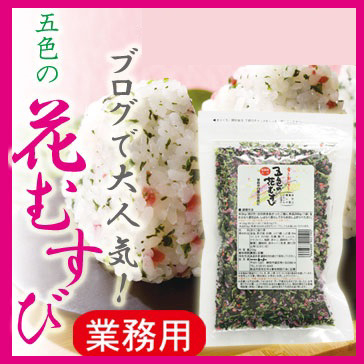


● 赤かぶ aka-kabu - red turnips
● 青菜 - aona - "green leaves"
● 青じそ aoshiso - red Shiso
● にんじん ninjin - carrots
● しば漬け shibazuke - pickles


::::::::::::::::::::::::::::::::::::::::::::::::::::::::::::::::::::::::::::::::::::::::::::::::::::::::::::::::::::::::::::::::::::::::::::::::::::::::::::::::::::::::::::::

goshiki no niji 五色の虹 rainbow of five colors


source : CD Yasunobu Matsuo

tojukei 吐綬鶏 legendary Chinese turkey
If he puts out his tail feathers they shine like a rainbow in five colors.

goshiki no hikari 五色の光 rays of five colors

::::::::::::::::::::::::::::::::::::::::::::::::::::::::::::::::::::::::::::::::::::::::::::::::::::::::::::::::::::::::::::::::::::::::::::::::::::::::::::::::::::::::::::::

goshiki 五色鮮蔬 fresh vegetables in five colors


::::::::::::::::::::::::::::::::::::::::::::::::::::::::::::::::::::::::::::::::::::::::::::::::::::::::::::::::::::::::::::::::::::::::::::::::::::::::::::::::::::::::::::::

goshiki soomen 五色そうめん Somen noodles in five colors


source : iyokannet.jp/front/gourmet

Legend knows this:
In the early Edo period the daughter of 八代目市佐衛門 Ichizaemon visited 松山市の椿神社 the Tsubaki Shrine in Matsuyama, she had the strings of her geta in five beautiful colors.
When the founder of 長門屋 Nagatoya saw this, he got the idea for the Somen noodles.

Masaoka Shiki wrote the following:

文月のものよ五色の糸そうめん
fumizuki no mono yo goshiki no ito soomen

so good in the
seventh month - Somen noodles
in five colors


. Masaoka Shiki 正岡子規 .
fumizuki 文月 the 7th month in the Asian lunar calendar


. soomen 索麺 thin Somen noodles .
a speciality in the hot summer months

::::::::::::::::::::::::::::::::::::::::::::::::::::::::::::::::::::::::::::::::::::::::::::::::::::::::::::::::::::::::::::::::::::::::::::::::::::::::::::::::::::::::::::::
- - - - - ABC List of the prefectures :

.......................................................................... Aichi 愛知県 ......................................

goshiki ryuujin 五色龍神 Dragon God of five colors
In the 犬山市 Inuyama region
There are many legends about the 老松 old pine tree of 白山神社 Hakusan Jinja an the five dragons in its roots.
If someone touched this root, he himself or someone of his family would get ill.
Once after a typhoon it lost many branches, and people took them home secretely, but they all died soon after.


But the local fishermen got blessings from the five-colored Dragon Deities.


.......................................................................... Chiba 千葉県 ......................................

goshiki no hana 五色の花 flowers of five colors
Once there was a real bad guy in 上総国福津 Kazusa no Kuni, called じゃじゃ庄右衛門 Jaja Shoemon. But one day he changed his ways and became a follower of Amida, reciting the Nenbutsu prayer. Then one day he got ill. said good bye to all his friends and slipped away to paradise.
Seven days later it rained flowers of five colors from the sky.


.......................................................................... Ehime 愛媛県 ......................................
.......................................................................
今治市 Imabari関前岡村 Sekizen

goshiki no nami 五色の波 waves of five colors
When the waves shine in five colors, this is the doing of エンコ Enko, the Kappa.

.......................................................................
今治市 Imabari 吉海町 Yoshiumi

goshiki no ito 五色の糸 string of five colors
ryuugonsan リュウゴンサン / 龍王神 the Dragon Deity

If people drop a sword or knife or anyhting with a blade in the water, they will be curved. If by bad luck they dropped something, they have to make an offering of a string in five colors to appease the deity.


.......................................................................... Kagawa 香川県 ......................................

Goshikidai 五色台 / Sanuki no Goshikidai 讃岐の五色台


- quote -
Goshikidai is a plateau which juts into the Seto Inland Sea, located to the West of Takamatsu City.
The name "goshiki" means "five colors" and it was so named for the five peaks which are respectively red, yellow, blue, black, and white in color.
From this location, visitors can look out over the Seto Inland Sea and the Seto Ohashi bridge, and the Goshikidai Skyline is a great road for a scenic drive. There are a number of facilities on Goshikidai designed to help visitors get the most out of their encounters with the abundant nature on the plateau.
Furthermore, it is said that a great fire that occurred here over one thousand years ago was the cause of the unusual stone, sanukite, to be produced. This stone makes a beautiful tone when struck, and for this reason it is also known as kankan stone. The stone has been made into musical instruments for its beautiful tone, and is loved by musicians and used in concerts worldwide.
- source : city.takamatsu.kagawa.jp -

.......................................................................
多度津町 Tadotsu

goshiki no tanzaku 五色の短冊 Tanzaku poetry slips of five colors
For the rituals at the end of the New Year holidays (January 14) the young people make a long 注連縄 Shimenawa rope decoration and hang the Tanzaku in five colors on it.


.......................................................................... Kyoto 京都府 ......................................
竹野郡 Chikuno district, 網野町 Amino

goshikigahama 五色が浜 / 五色ケ浜 "Beach of five colors"
goshiki hama, goshikihama 五色浜
in Shioe
Once upon a time
they found a dead young woman, drowned, with the baby in her arms.
The baby cried, but when it took one of the small colorful pebbles from the beach in his hand, it stopped crying. But then the baby died too.
Now if people take the colorful pebbles from the beach, they will become strong stomach ache. But when they say this spell, the pain will go away:
子どもや、おまえの石をもろうて行くで
kodomo ya, omae no ishi o moroote iku de


goshiki ishi 五色石 colorful pebbles

.......................................................................

goshikifu, goshiki fu 色麩色 Fu gluten in five colors


雛の膳京の五色麩色どりに
hina no zen kyoo no goshiki fu irodori ni

food for the Hina dolls
the Fu of Kyoto
in five colors


岩田つねゑ Iwada Tsune

. fu ふ (麩) wheat gluten .


.......................................................................... Miyagi 宮城県 ......................................
登米町 Toyomama

goshiki nashi 五色梨 Nashi pears of five colors
Once a big tree had fruit of five colors. In its trunk was a large hole. If people made a wish in this hole, the wish was granted.


.......................................................................... Nagano 長野県 ......................................
飯田市 Iida

goshiki no na 五色の菜 leaves of five colors
for the festival of Ebisu 恵比寿様 on the 20th day of the 10th month.
Served as offerings with red Azuki rice, and Sanma or Iwashi fish.


.......................................................................... Nara 奈良県 ......................................


source : ameblo.jp/0-leporello
five-colored string from 長谷寺- Hasedera, Nara
五色の糸 で作られた腕輪 bracelet of five-colored string - 五色線 -

.......................................................................
月ヶ瀬村 Tsukigase

goshiki no kuruma 五色の車 car of five colors
Once upon a time
when people went out to watch fireflies, there came a demon flying over from the graves.
When someone had died, a car of five colors came from the graveyard to pick him up.
And colorful rays of yellow, green or blue could be seen, then it rained.

.......................................................................
宇陀郡 Uda district 室生村 Muro

goshiki no tsume 五色の爪 nails of five colors of the 竜王 Dragon Deity
At the Temple Muro-Ji 室生寺の境内 along the river 室生川 the saint 慶円上人 Keien (1140 - 1223) once passed. At the riverside a female Dragon King 善女竜王 waited for him. He asked her to show her real features and after some discussion, she turned into a black cloud and showed her right hand. It had long nails of about 3 cm in five colors.
Since than the riverbank is called 爪出が淵 Tsumedegafuchi.


- reference : hakuhou/oniwa -

.......................................................................
大和高田市 Yamato Takada

goshiki no kiri 五色の霧 fog of five colors
役行者 En no Gyoja and hitotsume-gaeru 一つ目蛙 a frog with one eye
役行者の母の刀良売が奥田の蓮池の堤で療養していたとき、五色の霧が立ちこめて池の中から蓮の茎が伸びて2つの白蓮が咲き、金色の蛙が鳴いた。刀良売が萱 を1本投げると、霧も蓮も消え、蛙も褐色に変わって一つ目になってしまった。刀良売は病が重くなり、ついには他界した。以来奥田蓮池の蛙は一つ目蛙だとい う。


.......................................................................... Okinawa 沖縄県 ......................................

goshiki sen 五色鮮 five bright colors
琉球国にキミテズリという神が出現し、その前に国上の深山にアヲリという物が出た。五色鮮やかで荘厳なものであり、三の岳に3本出たという。これは非常に大きく、一山を覆い尽くすほどだった。10月に必ず出たという。


.......................................................................... Tokushima 徳島県 ......................................
阿波郡 Awa district

goshiki no hana 五色の花 flowers of five colors
阿州阿波郡鏡原に住む妙西尼は、父とともにこの地にやってきて乞食念仏を行った。父が死んで2年経った時に自分の死期を悟ったので、西に向かって端座し、 念仏を唱えながら臨終した。その時部屋中に異香が立ちこめ近隣にまで漂い、また紫雲がたなびいて五色の花びらが降ってきたという。


.......................................................................... Tokyo 東京都 ......................................

.......................................................................
goshiki no hana 五色の花 flowers of five colors
When the wive of Shogun Hidetada, 崇源院 Sogen-In (1573 - 1626) was ill in the year 寛永3年9月15日, prayers were said for her recovery. There were 紫雲が3筋 three strings of purple coluds in the sky and it rained flowers of five colors from the sky. All the people of the town prayed for her.

.......................................................................
goshiki no hata 五色の機 prayer flags of five colors
and Hiimisama 日忌様
Once upon a time in Oshima Island 昔々、大島の泉津村の代官は租税の取り立てなど、すべてにおいて暴虐だったため、正月24日の夜、村の若者25人に切り殺された。若者たちはその夜のうち に波治加麻明神の大木を切り倒して造った丸木舟で村を逃れたが、暴風で舟が転覆して、皆死んでしまった。その後、毎年正月24日の夜中には25人の霊が丸 木舟に乗り、五色の機を立てて村を訪れるという。

.......................................................................
goshiki no hata 五色の旗 flags of five colors
In 神津島 Kozushima for nijuugonichi sama 二十五日様
二十五日様は死人の祟りともいう。水が呑みたいという人が来たが、正月25日だったので誰も水をやらなかった。その人は船で三宅島の方に行ったが、着く前に死んだ。その幽霊が五色の旗を立ててくるのだという。


.......................................................................
goshiki no juzu 五色の数珠 rosary of five colors
At temple Zōjō-ji 三縁山増上寺 Zojo-Ji the priest 了学上人 Ryogaku (1549 - 1634) felt his death coming on the 15th day of the first month in 1632, so he chanted the Nenbutsu prayer till the end. After his body was burned, they found many shari 舎利 sacred bones. His hands holding the 水晶の数珠 crystal rosary were still visible, the rosary sparkled in five colors.


.......................................................................
goshiki no kumo 五色の雲 clouds of five colors
In the year 1825 on the 15th day of the 8th month, the writer 外岡北海 Sotooka Hokkai passed along the Koishikawa Denzu-In, when clouds in five colors passed all over the sky. The white clouds above the village floated over the sky, shining ans sparkling in all colors. When people asked where these clouds came from, he said they had already been there when he reached the spot.


文京区小石川3-14-6 小石川伝通院 Kyoto, Koishikawa Denzu-In
- reference : denzuin.or.jp-

.......................................................................
goshiki ryuujin 五色龍神 Dragon Gods of five colors


source : yorokobii.exblog.jp

金龍神 Golden - 白龍神 - White - 黒龍神 Black - 赤龍神 Red - 青龍神 Green
at 田無神社 Tanashi Jinja -Tokyo, Nishitokyo, 田無町3−7−4
This shrine is known for beautiful wood carvings.
Deity in residence : Ookuninushi no Mikoto 大国主命
- reference : tanashijinja.or.jp -


.......................................................................... Wakayama 和歌山 ......................................

. Itsu iro kappa いついろかっぱ Kappa of five colors .
from Shirahama 白浜 "the White Beach"

::::::::::::::::::::::::::::::::::::::::::::::::::::::::::::::::::::::::::::::::::::::::::::::::::::::::::::::::::::::::::::::::::::::::::::::::::::::::::::::::::::::::::::::

- reference : nichibun yokai database 妖怪データベース -


. hyaku nezu 百鼠 the 100 subdued colors of Edo .

..............................................................................................................................................

. ryuu, ryū 龍 竜 伝説 Ryu - dragon legends .

. Japanese legends and tales 伝説 民話 昔話 - Introduction .

- Yookai 妖怪 Yokai Monsters of Japan -
- Introduction -

::::::::::::::::::::::::::::::::::::::::::::::::::::::::::::::::::::::::::::::::::::::::::::::::::::::::::::::::::::::::::::::::::::::::::::::::::::::::::::::::::::::::::::::


. Join the friends on Facebook ! .

- #goshikifivecolors #goshiki -
::::::::::::::::::::::::::::::::::::::::::::::::::::::::::::::::::::::::::::::::::::::::::::::::::::::::::::::::::::::::::::::::::::::::::::::::::::::::::::::::::::::::::::::

[ . BACK to DARUMA MUSEUM TOP . ]
[ . BACK to WORLDKIGO . TOP . ]

::::::::::::::::::::::::::::::::::::::::::::::::::::::::::::::::::::::::::::::::::::::::::::::::::::::::::::::::::::::::::::::::::::::::::::::::::::::::::::::::::::::::::::::


Haiku and goshiki five colors

http://darumamuseum.blogspot.jp/2010/02/goshiki-five-colors.html


source : iyokannet.jp/front/gourmet
goshiki soomen 五色そうめん Somen noodles


. WASHOKU - Goshiki dishes of Japan  
goshiki dorayaki 五色どらやき Dorayaki
goshiki namagashi 五色生菓子 sweets
goshiki toogarashi 五色唐辛子 red pepper
goshiki soomen 五色そうめん Somen noodles
goshiki sushi 五色寿司 Sushi
goshiki mochi 五色餅 Mochi rice cakes

. goshiki 五色と伝説 Legends about the five ritual colors .
goshikifu, goshiki fu 色麩色 Fu gluten in five colors
goshiki no hana musubi 五色の花むすび rice balls in five "blossom" colors
goshiki senso 五色鮮蔬 fresh vegetables in five colors
goshiki soomen 五色そうめん Somen noodles in five colors

:::::::::::::::::::::::::::::::::::::::::::::::::::::::::::::::::::::::::::::::::::::::::::::::::::


goshiki no ito 五色の糸(ごしきのいと)string of five colors
negai no ito 願の糸 (ねがいのいと) "string for wishes"
..... ganshi 願糸(がんし )
for the Tanabata Star Festival
observance kigo for early autumn

. Tanabata Star Festival 七夕 .


. Gankake 願掛け to make a wish .

:::::::::::::::::::::::::::::::::::::::::::::::::::::::::::::::::::::::::::::::::::::::::::::::::::

Tsubaki Grand Shrine of America
quote
Go-Shiki / 5 color Gem Mamori Bracelet
Ame-no-Koyane-no-Mikoto and Futo-Dama-no-Mikoto brought the 500 branch true sakaki trees as offering, hanging the divine e jewels in the upper branches, the divine mirror in the mid branches and cloth offerings on the lower branches. Ame-no-Hazuchi-wo-O-Kami wove cloth of many colours, these pacificatory offerings are the origin of the Masakaki.....as for the colours, the 5 colors represent the 4 directions + center:

Mitsudomoe (symbol of Shrine Shinto) can also be called "Mikubitama" and consists of:

Black (purple) means North (Ara Mitama)
Blue (green) means East (Kushi Mitama)
Red means South (Sachi Mitama)
White means West (Nigi Mitama)
Yellow means the sacred Center (Nao-Hi =sun rays)


As Sarutahiko Okami is Kunitsu Kami Oyagami/ ancestor Kami of all Earthly Kami as well Dousoujin/Michibikikami/ Kami of the way, guidance and opening the path when we stand firmly centered on the Earth receiving sacred sunshine we can make correct progress on our individual life paths. Go-shiki-mamori bracelets mean to stand in the current moment in the divine center and receive power from Earth and Heaven. These mamori bracelets are made of very high quality hand carved gemstones. The semi precious gems are of "AA+ " grade. The power gems used are:

Black/purple = murasaki suisyo/amethyst. Highest colour vibration/ healing stone....Amethyst means both love and also stimulates the intellectual side of your life while calming your nervous system. Amethyst meaning is also reveal hidden charm and abilities.. Increases activity of right-side brain - purifies blood - reinforces immune function - increases psychic skills and intuition - peaceful mind.

Blue/ Green = Hisui/jade Calming, dispel misfortune, bravery in face of adversity, increased patience, protection of love and friendship. Jade was prized more highly than gold. green jade is the most highly sought after and its color comes from chromium.... green Jade enhances healing of both the emotional and physical. It is linked to the heart and is said to enhance prosperity and abundance and especially longevity

Red = Carnelian is to energize the blood. Excellent for both being in the moment and motivation to make correct choices, decisions and movement. Known as the most powerful ACTION gem---self-actualization--stimulating analytical capabilities, precision and motivation.

White = clear suisyo/crystal is for harmony and protection Clear Quartz has very strong powers of protection as it can absorb negative energies and harmonize KI of the wearer and enhance power. It has the ability to transmit and receive energy. In transmission, it can amplify, focus, and direct the energy. In receiving, it can store energy for later use, transform it into any usable condition, screen out unwanted vibrations and purify, calm and balance/centre one's own Ki

Yellow = Ki iro hisui/ yellow jade jade used for millennia as the ultimate symbol of calm, serene joy. Connected to spirituality, longevity, positive fortune and prosperity -- yellow jade means joy, confidence and self assurance.
source : www.tsubakishrine.org

:::::::::::::::::::::::::::::::::::::::::::::::::::::::::::::::::::::::::::::::::::::::::::::::::::

Goshiki Fudo / Fudo eyes in five colors in Edo
江戸の五色不動明王


. Goshiki jika 五色鹿 deer in five colors .
Kasuga shrine, Nara

. Goshiki suzu 五色鈴 five-colored clay bells .


..... Colors in Haiku Traditional Japanese Colors

. goshiki 五色と伝説 Legends about the five colors .

::::::::::::::::::::::::::::::::::::::::::::::::::::::::::::::::::::::::::::::::::::::::::::::::::::: 

. Masaoka Shiki 正岡子規 .

夕栄の五色が浜をかすみけり
goshiki ga hama

絵の島や石も五色の花盛
goshiki no hana

宮城や五色にそろふ初霞
goshiki kasumi

星消えてあとは五色の初霞
goshiki kasumi


source : isonokami.jp/blog

蜘の囲の五色に光る春日かな
kumo no i no goshiki ni hikaru harubi kana

this spring day
sparkles in five colors
in the spider web


文月のものよ五色の糸そうめん
fumizuki no mono yo goshiki no ito soomen

so good in the
seventh month - Somen noodles
in five colors


::::::::::::::::::::::::::::::::::::::::::::::::::::::::::::::::::::::::::::::::::::::::::::::::::::: 

- more combination of GOSHIKI and haiku -

花見団子五色の白きより食ぶる 猿橋統流子 goshiki dango

雛の膳京の五色麩色どりに 岩田つねゑ goshiku fu

浜大根網も五色の御座の磯 鈴木公二 goshiki goza

夕栄の五色が浜をかすみけり 正岡子規 goshiki hama

山寺や五色にあまる花見堂 蓼太 goshiki hanamidoo

雲丹の針五色に動く汐干かな 栗原ゆうゆう goshiki hari

五色旗は垂りても五色秋晴るゝ 久米正雄 goshiki hata

花の雲鳩は五色に舞ひあそぶ 茅舎 goshiki hato

はひまわる五色の火蛾や楽譜書く 池内友次郎 goshiki higa


goshiki ishi 五色石 pebbles
拾ふ石五色揃ひぬ磯遊 井上杉香
掌に揃ふ石の五色や磯遊び 加倉井秋を
絵の島や石も五色の花盛 花盛 正岡子規
角巻や浜に拾ひし五色石 石田野武男
五色石渚に拾ふ近松忌 石田野武男

五色針糸の尾長う縫ひ初め goshiki ito
冬茜五色の糸にみちびかれ 川崎展宏
薬玉や五色の糸の香に匂ふ 嘯山

夏の川カヌーの五色揃ひけり 大谷ひろし goshiki kanuu

風車まはり消えたる五色かな 鈴木花蓑 goshiki kazaguruma

宮城や五色にそろふ初霞 正岡子規 goshiki kasumi
星消えてあとは五色の初霞 正岡子規


梶の葉を懸けて五色の絹帷 桂樟蹊子 goshiki katabira

五色湖は女波ばかりや鳥曇 角川源義 goshiki ko - lake

手折りもす五色の香の今日の菊 石口光子 goshiki koo - incense

幕間や五色の独楽を買初に 千手和子 goshiki koma

スケーター五色の蜘蛛の散るごとし 石塚友二 goshiki kumo
蜘の囲の五色に光る春日かな 正岡子規

五色幕はりめぐらしてお取越 枌さつき goshiki maku


goshiki mame 五色豆 beans
五色豆のざらつく甘さ春の雪 鍵和田[ゆう]子
花疲れ膝にこぼせる五色豆 斎藤朗笛
春燈下紙にいただく五色豆 清崎敏郎
松過ぎの肉桂のにほふ五色豆 高澤良一
買初めの色のほのほの五色豆 高澤良一


五色饅頭青は色濃き春の風 久米正雄 goshiki manju

霊峰の風を五色に秋立てり 吉原文音 goshiki mine - peak

麦わらを口に妖婦や五色水 松瀬青々 goshiki mizu

五色に塗る餅柔かしお命講 長谷川かな女 花寂び goshiki mochi

蔵王紅葉五色の山気流れ出づ 渡辺恭子 goshiki mojimi

五色沼鴨来て色を深めけり 鈴木漱玉 goshiki numa
五色沼その瑠璃沼の明け易き 山口青邨
五色沼つなぐ小径の落し文 秋本文茶
五色沼鴨来て色を深めけり 鈴木漱玉
花薄色それぞれの五色沼 目代智子
鳥わたる豆粒ほどの五色沼 杉良介

起し絵の山紫水明五色摺り 伊藤瓔子 goshiki okoshi-e

五色縷の垂れも垂れたり肘枕 飯田蛇笏 goshiki ru (line of spittle)

切山椒五色置かれしめでたさよ 河野多希女 goshiki sansho

文月のものよ五色の絲素麺 文月 正岡子規 goshiki soomen

五色椿満開色の定まらず 塩川雄三 goshiki tsubaki
柵内に五色椿を散らしめし ふけとしこ


goshiki uchiwa 五色団扇 handfan
五色団扇の一本を手にしつつまし 梅林句屑
夜まどゐや五色団扇の我は青 皆吉爽雨
いつしかに五色団扇も青ひとつ 福田蓼汀

羊羹の三色五色秋しぐれ 久保田万太郎 goshiki yookan

うぐいすの肺ひと呼吸に五色なす 橋本夢道 uguisu no mune

- reference : haikureikudb database -

goshiki no sen 五色の賤(ごしきのせん)outcasts

::::::::::::::::::::::::::::::::::::::::::::::::::::::::::::::::::::::::::::::::::::::::::::::::::::: 

- reference : goshiki at amazon com


授業で使える「五色百人一首 goshiki hyakunin isshu
五色あられ goshiki arare - food
五色の舟 goshiki no fune
五色の花たば goshiki no hanataba
怪談五色 goshiki kaidan
五色蟹 goshiki kani
五色なげコマ goshiki koma toys
五色の虹 goshiki no niji
五色温泉 goshiki onsen
五色黄土石けん goshiki sekken
五色詠-Immortal Lovers
. . . and more at amazon com

::::::::::::::::::::::::::::::::::::::::::::::::::::::::::::::::::::::::::::::::::::::::::::::::::::: 

[ . BACK to DARUMA MUSEUM TOP . ]
[ . BACK to WORLDKIGO . TOP . ]
- #goshiki #fivecolors -
::::::::::::::::::::::::::::::::::::::::::::::::::::::::::::::::::::::::::::::::::::::::::::::::::::: 

9 May 2016

FUDO - Mount Kamurosan


[ . BACK to Daruma Museum TOP . ]
:::::::::::::::::::::::::::::::::::::::::::::::::::::::::::::::::::::::::::::::::::::::::::::::::::::::::::::::::::::::::::

Mount Kamurosan 神室山
Kamuroyama

located on the border of
秋田県湯沢市 Akita, Yuzawa and 山形県新庄市 Yamagata, Shinjo.
1365 m high
One of the most famous 200 mountains of Japan, with beautiful flower fields
日本二百名山』、『花の百名山

Since olden times a mountain for the Shugendo priests 修験の山.

- quote
Mount Kamuro, Mt. Kamuro, Shinjo, Yamagata Prefecture
- page with great photos !
- source : sunrise.maplogs.com

:::::::::::::::::::::::::::::::::::::::::::::::::::::::::::::::::::::::::::::::::::::::::::::::::::::::::::::::::::::::::::

There are many waterfalls on the climb.

Half way up the mountain is Fudo Myo-O
to welcome the traveler.


source and photos : blog.livedoor.jp/yamasone/archives


:::::::::::::::::::::::::::::::::::::::::::::::::::::::::::::::::::::::::::::::::::::::::::::::::::::::::::::::::::::::::::


. - Join Fudo Myo-O on facebook - Fudō Myō-ō .

:::::::::::::::::::::::::::::::::::::::::::::::::::::::::::::::::::::::::::::::::::::::::::::::::::::::::::::::::::::::::::

. Pilgrimages to Fudo Temples 不動明王巡礼
Fudo Myo-O Junrei - Fudo Pilgrims .


[ . BACK to WORLDKIGO . TOP . ]
[ . BACK to DARUMA MUSEUM TOP . ]
- - #kamurosan -
:::::::::::::::::::::::::::::::::::::::::::::::::::::::::::::::::::::::::::::::::::::::::::::::::::::::::::::::::::::::::::

--
Posted By Gabi Greve to Fudo Myo-O - Introducing Japanese Deities at 5/08/2016 10:27:00 PM

MINGEI - mimizu earthworm legends

http://worldkigodatabase.blogspot.jp/2010/10/earthworm-mimizu-and-mole-cricket.html

:::::::::::::::::::::::::::::::::::::::::::::::::::::::::::::::::::::::::::::::::::::::::::::::::::::::::::::::::::::::::::

. Legends and Tales from Japan 伝説 - Introduction .

Sometimes people are bewitched by a fox, badger or a Tengu.
They begin to eat earthworms thinking they are buckwheat noodles or Udon noodles and run round and round in the mountains.
Children lost in the forest for some time also tell about "eating noodles" while holding an earthworm in the hand when they are found, not starving in the woods.
. soba 蕎麦 伝説 Legends about buckwheat .

.......................................................................

oomimizu 大蚯蚓 / オオミミズ large earthworm

In the Tanba region of 兵庫県 Hyogo
there lived a huge earthworm of more than 1丈 (about 3 meters).
There had been a period of long rain and large mudslides, so the earthworms thrived. Another one must have been at least 4 meters, and another one maybe six meters !!

Near the Kumano Hongu Shrine of 和歌山県 Wakayama
the earthworm is called 加夫羅太伊 (カフラタイ) Kafuratai.
A man named 新兵衛 Shinbei from Hongu village once went to 大瀬山 Oseyama to cut wood. Suddenly he heared a strange voice and when he looked closer, he saw many huge earthworms of more than one meter long. His son caught them in a Bonito trap and carried them home, where they made a fire and burned them to prevent more harm.

.......................................................................


In many parts of Japan there are tales about 小便 peeing on an earthworm, which causes swelling of the penis. Therefore before peeing outside, men should spit on the place and thus inform the earthworms of their deed.
And if they peed on it by accident, they had to wash it carefully with clean water to avoid problems.


source : kabukumono
No peeing here !
赤い鳥居と立ち小便厳禁、蚯蚓に小便をかける...
These kinds of signs were quite common in the past.

If you pee on an earthworm, there will be a "punishment of the Gods" 神罰.

.......................................................................

Sometimes a woman gives earthworms to a blind relative,
telling them its Udon or Soba noodles.

.......................................................................

Sometimes a serpent shape-shifts into an earthworm (or vice-versa)
to make mischief in a village.

.......................................................................

In 青森県 Akita around Towada
if children throw a tantrum (kan no mushi), the mother has to make a tea with
tamakura mimizu タマクラミミズ, a large earthworm, to cure the child.

. kan no mushi 疳の虫 / 癇 insect of nervousness, short-temperedness .

.................................

In 広島県 Hiroshima
a Samurai once wanted to shoot a pheasant which had just eaten a frog that had just eaten an earthworm. "Maybe someday my own life will be in peril" the Samurai thought and did not shoot after all.
Suddenly he heard a voice shouting
ee ian, ee ian エー思案、エー思案 "that is a good consideration".
When he looked back, he saw
hitotsume oonyuudo 一つ目の大入道 the Yokai Onyudo with one Eye
coming after him, so he fled as fast as he could.

. Oonyuudoo 大入道 O-Nyudo Monster .

.................................


In 神奈川県 Kanagawa
sometimes people hear ミミズの歌う唄 an earthworm singing in the woods and a 鯉 carp is there dancing to the music. So the young folk of the village planned to go for an outing to watch the scene. But on that night there was no song and no carp dancing.
On the way back they saw a group of people carrying their wives in palanquins and they run fast for bewilderment. But in the end they realized they had been bewitched by a fox or badger.


In the Hata district of 高知県 Kochi
if the pee of an earthworm hits the eye, you will become blind.
And if a man pees on an earthworm, his penis will be swelling.
The child of 酒井玉喜 Sakai Tamaki once had a swollen penis. To heal it they caught an earthworm and while counting the years of the child washed it carefully in water. Then the earthworm was let free in the fields and the child was cured.

In 奥武山Onoyama of Okinawa
once an earthworm begun to cry loudly because he feared the earth of the place would disappear. Then he heard in the local animal grape-wine from a poisonous snake (habu ハブ) that on the other side on the beach there was much better earth and begun to move there. This is how earthworms begun to settle all over Okinava.

.......................................................................

If people in the Ina district of 長野県 Nagano catch a mole cricket, they chant this spell, rub their hands and hope for something interesting to happen:

おけらおけらおてんとう様おがめ
o-kera o-kera o-tentoosama ogame

honorable mole cricket, mole cricket,
now you can pray to the sun !


.......................................................................

- reference : nichibun yokai database 妖怪データベース -

.......................................................................


source : homepage2.nifty.com/ukiyo-e
mimizu no tenjoo 蚓(みみず)の天上 an earthworm goes to Heaven
This is just the moment when the earthworm turns into a dragon.
The earthworm was supposed to be the bait of an angler but . . .

From a collection of Hokusai Manga 北斎漫画十二編図(江戸摺)

:::::::::::::::::::::::::::::::::::::::::::::::::::::::::::::::::::::::::::::::::::::::::::::::::::::::::::::::::::::::::::

[ . BACK to DARUMA MUSEUM TOP . ]
[ . BACK to WORLDKIGO . TOP . ]
- #mimizu #earthworm -
:::::::::::::::::::::::::::::::::::::::::::::::::::::::::::::::::::::::::::::::::::::::::::::::::::::::::::::::::::::::::::

8 May 2016

EDO - kenyaku frugality


[ . BACK to DARUMA MUSEUM TOP . ]
. Edo bakufu 江戸幕府 The Edo Government .
::::::::::::::::::::::::::::::::::::::::::::::::::::::::::::::::::::::::::::::::::::::::::::::::::::::::::::::::::::::::::::::::::::::::::::::::::::::::::::::::::::::::::::::::::::

kenyaku 倹約 frugality, thrift - Sparsamkeit

. Buke shohatto 武家諸法度 Laws for the Samurai .

- - - - - Articles promulgated in 1615
12 Samurai throughout the realm are to practice frugality.

.......................................................................

A Model of Ecological Sustainability
Craft guilds and craftspeople that specialized in repairing broken goods were not rare in the pre-industrial world, but Japan during the Edo Period was a uniquely closed-off island location where frugality was an important virtue and self-sufficiency was crucial to survival.
- Eisuke Ishikawa

. Recycling and Reuse in Edo - リサイクル と 再生 / 再使用 .


bakusei kaikaku 幕政改革 Shogunate government reform
seitaku 贅沢 luxury
shashi kinshihoo 奢侈禁止法
- - - - - shashi kinshi rei 奢侈禁止令 law against luxury
shisso kenyaku 質素倹約 frugal life, modest life


::::::::::::::::::::::::::::::::::::::::::::::::::::::::::::::::::::::::::::::::::::::::::::::::::::::::::::::::::::::::::::::::::::::::::::::::::::::::::::::::::::::::::::::::::::

kenyakurei, kenyaku rei 倹約令
laws regulating expenditures; sumptuary edicts; thrift ordinance


source : blogs.yahoo.co.jp/kitasandou2
「寛政の倹約令」Kansei no Kenyaku Rei

During the long Edo period, quite a few laws to promote frugality were made.
One of the most famous it the
shashi kinshi rei 奢侈禁止令 law against luxury 1787
after the great famine of Tenmei 天明の大飢饉, ordered by
松平定信 Matsudaira Sadanobu.
Food, robes and the general lifestyle were greatly influenced by this law.

.......................................................................

The common people were forbidden to wear silk robes 絹布着用禁.
To pass aroung this law, the clever Edokko stopped using silk on the outside of their Kimono, but used them inside for linings.

.......................................................................

Special materials like yuuki tsumugi 結城紬 Yuki tsumugi used a cotton warp thread for weaving and were thus permitted.

- quote -
Yūki-tsumugi 結城紬 is the Japanese craft of silk cloth practised chiefly in the vicinity of Yūki in Ibaraki Prefecture.
Developing from earlier silk techniques, the name Yūki-tsumugi was adopted in 1602. Weavers were invited from Ueda and the cloth, at first plain, was used as gifts for the shogun. Currently approximately one hundred and thirty craftsmen transmit the technique in Yūki and Oyama.
Silk floss is extracted from silkworm cocoons and spun by hand into yarn. Patterns are added by tie-dyeing, before weaving with a loom known as a jibata (地機). The strap around the weaver's waist enables the tension of the vertical thread to be adjusted. It can take up to fifteen days to weave enough plain fabric for an adult garment, and up to forty-five days for patterned fabric.
- - - More in the WIKIPEDIA !

.......................................................................


This is a modern Daruma from Celuloid, looking like bekko.

Accesories and hair decorations from tortoiseshell were forbidden. So the crafstmen pretended their pieces were made from cheap suppon スッポン Suppon turtle, Pelodiscus sinensis

. bekkoo 鼈甲 / べっこう / べっ甲 tortoiseshell .

.......................................................................

Some luxury was appearing within the regulations 規制内で贅沢.

Since large 雛人形 Hina dolls for the Doll festival were forbidden, craftsmen made small but very luxurious ones.

Yukuta robes from cotton were allowed, so the craftsmem made them with ever more elaborate patterns.
Bright red and yellow colors were not allowed any more. so the craftsmen prepares
. hyaku nezumi 百鼠 a hundred shades of gray .
so show their individual tastes.


CLICK for more nezu colors !

..............................................................................................................................................

Viewing Japanese Prints
- quote -
FAQ: What were sumptuary edicts?
Numerous sumptuary regulations were issued throughout the Edo period (1615-1868) to control the expression of ideas that were deemed a threat to public decorum, safety, or morality, or that were subversive to the ruling Tokugawa shogunate. Ostentatious and inappropriate behavior and display for all the classes was proscribed.
The earliest sumptuary laws were based on similar practices from China, where consumption was correlated positively with status. In Japan these regulations were called ken'yakurei ("laws regulating expenditures": 儉約令) for all classes of society. They did not constitute a distinct body of laws, but rather were part of the occasional regulatory proclamations (ofuregaki: 御觸書) issued by the rôjû ("council of elders": 牢中) and disseminated through various intermediaries to the intended group or class.

Although the chônin ("persons of the town": 町人) often complained about the repressive measures, the government generally relied more on threats and exhortations than on imposing punishments. There were only a limited number of recorded cases of arrest for violating sumptuary edicts cited in Tokugawa-period legal documents or the popular literature. Throughout the Edo period the sumptuary regulations frequently referred to previous edicts, suggesting that many were not considered permanent or practically enforceable, and that compliance among the targeted groups was often a problem. An expression of the time, mikka hatto ("three-day laws": 三日法度), suggested that violations of sumptuary laws often followed after only brief periods of compliance.

Content and the Expression of Ideas
There were during the Edo period various periodic restrictions on "content," such as edicts that prohibited publishing about current events, unorthodox theories, rumors, scandals, erotica, government officials, or anything directly related to the Tokugawa rulers or the Imperial Family. One of the most repressive set of edicts was known as the Kansei Reforms, named after the era name Kansei (I/1789 - II/1801) in which they were enacted. With the death of the shogun Ieharu in 1786, his successor Ienari (1773-1841; ruled 1787-1837) remained a minor until 1793, and the real governing power was in the hands of Matsudaira Sadanobu (1758-1829), a grandson of the shogun Yoshimune and the daimyô (military lord, literally "great name") of the Shirakawa domain.
Sadanobu held the post of chief councilor (rojû shuseki) from 1787 to 1793. He initiated reforms that he believed were needed after a series of riots in various cities in the summer of 1787 were precipitated by high rice prices following several years of poor harvests and famines. The early stages of the Kansei Reforms focused on the removal from power of corrupt officials and the institution of various specific measures to check inflation and stabilize prices. The reforms were later extended to the field of publishing in 1790. In the fifth month of that year, no new books were to be published except by special permission. Current events were not to be depicted in prints, and gorgeous and extravagant works were to be avoided. No unorthodox theories were to be published, while the publication of erotica was to be gradually halted.
.....
Appearance and Expenditures
Other sumptuary edicts attempted to proscribe "appearance" and the expenditure of wealth as appropriate to each class. As some of the merchants began to amass large fortunes and live in a manner previously reserved only for the samurai class, the bakafu ("tent government," the shôgun's ruling officials) issued sumptuary laws to reinforce the distinctions between the classes, to encourage frugality, and to maintain a Neo-Confucian system of moral conduct. The government was particularly concerned that the morale and discipline of the samurai class should not be undermined by ostentatious displays of wealth among the 'chônin'. Many regulations proscribed the consumption of goods and services and placed limits on luxurious entertainment, identifying what was appropriate for members of each social level and closely correlating consumption with social status.
- snip -

Ukiyo-e researchers have long cited examples of edicts that affected printmaking, such as the banning of prints with bust portraits of women in the first month of Kansei 12 (1800). The edict was a curious one, as it admitted that there was nothing really wrong with such prints, but that they were to be proscribed as medatsu ("conspicuous"). Another example was the ban in 1793 on prints with the names of women other than courtesans.
- snip -
Among the worst of the later set of edicts were the repressive Tenpô kaikaku ("Tenpô Reforms") of 1842-1847.

- Read the full text here:
- reference source : viewingjapaneseprints.net/texts - John Fiorillo


::::::::::::::::::::::::::::::::::::::::::::::::::::::::::::::::::::::::::::::::::::::::::::::::::::::::::::::::::::::::::::::::::::::::::::::::::::::::::::::::::::::::::::::::::::

- reference -

- reference : norenkai.net -


::::::::::::::::::::::::::::::::::::::::::::::::::::::::::::::::::::::::::::::::::::::::::::::::::::::::::::::::::::::::::::::::::::::::::::::::::::::::::::::::::::::::::::::::::::


- - - To join me on facebook, click the image !

:::::::::::::::::::::::::::::::::::::::::::::::::::::::::::::::::::::::::::::::::::::::::::::::::::::::::::::::::::::::::::::::::::::::::::::::::::::::::::::::::::::::::::::::::::::

. Edo bakufu 江戸幕府 The Edo Government .

. Famous Places and Powerspots of Edo 江戸の名所 .

. Doing Business in Edo - 商売 - Introduction .

. shokunin 職人 craftsman, craftsmen, artisan, Handwerker .

. senryu, senryū 川柳 Senryu poems in Edo .

. Japanese Architecture - Interior Design - The Japanese Home .

. Legends and Tales from Japan 伝説 - Introduction .


[ . BACK to DARUMA MUSEUM TOP . ]
[ . BACK to WORLDKIGO . TOP . ]- - - - - #kenyaku #frugalityedo - - - -
::::::::::::::::::::::::::::::::::::::::::::::::::::::::::::::::::::::::::::::::::::::::::::::::::::::::::::::::::::::::::::::::::::::::::::::::::::::::::::::::::::::::::::::::::::

--
Posted By Gabi Greve to Edo - the EDOPEDIA - on 5/04/2016 01:21:00 pm

6 May 2016

EDO - bijin beauties of Edo


[ . BACK to DARUMA MUSEUM TOP . ]
. Ukiyo-e 浮世絵 "pictures of the floating world" - Introduction .
::::::::::::::::::::::::::::::::::::::::::::::::::::::::::::::::::::::::::::::::::::::::::::::::::::::::::::::::::::::::::::::::::::::::::::::::::::::::::::::::::::::::::::::::::::

Edo no bijin 江戸の美人 the beauties of Edo

. kanban musume 水茶屋の看板娘 Kamban "advertising servant girl" .


CLICK for more photos !

Beauties with a sumptuous body and plump face 豊かな体, ふくよかな顔 in the Early Edo period,
but the ideals for "beauty" were changing with time.


弾琴美人 Beauty playing the Koto / 鈴木春信 Suzuki Harunobu

.......................................................................

. bijin 美人 beauty - beauty amulet 美守 - bijin kigan 美人祈願お守り .
Next to prayers for good health, prayers for a beautiful face, skin or body were quite popular.
biyoo jisha 美容寺社 praying for beauty at a Shinto Shrine

::::::::::::::::::::::::::::::::::::::::::::::::::::::::::::::::::::::::::::::::::::::::::::::::::::::::::::::::::::::::::::::::::::::::::::::::::::::::::::::::::::::::::::::::::::

- quote
江戸時代における美人の条件は? Conditions for a beauty in the Edo period.

面長
切れ長で涼しげな一重
鼻筋の通った中高の鼻
小さな口
きめこまやかで白い肌
美しく豊かな黒髪

.......................................................................


biidoro o fuku musume ビードロを吹く娘 girl blowing a poppen
美人画の大家・喜多川歌麿 Kitagawa Utamaro
This Bijin is a normal girl from the village 町娘. Her kimono is special, with an Ishimatsu pattern and cherry blossoms, signs of Spring.

. poppen, hoppen ぽっぺん / ポッペン glass ball plopping .
The glass balls are also known as "biidoro ビードロ", from the Portuguese vidro.

.......................................................................

江戸美人の原点?江戸時代初期の美人 Early Edo Period


CLICK for more photos !

「浮世絵の祖」ともいわれる浮世絵師・菱川師宣 Hishikawa Moronobu (1618 - 1694)
Japanese artist known for popularizing the ukiyo-e genre of woodblock prints and paintings in the late 17th century.
- - - More in the WIKIPEDIA !

.......................................................................

美人というより美少女 - Beautiful Young Girls
明和期(1764 - 72年)の美人 Meiwa period


chaya no kanban musume 看板娘 Kamban Musume Girls
水茶屋「鍵屋」の看板娘・お仙 Kagiya no S-Sen
浅草寺奥山の楊枝屋「柳屋」の看板娘・お藤 Yanagiya no O-Fuji
二十軒茶屋の水茶屋「蔦屋」の看板娘・およし。Tsutaya no O-Yoshi

.......................................................................

抜群のプロポーション! Nice proportions
健康美人 Healthy Bijin


人気絵師・鳥居清長の美人画 Torii Kiyonaga (1752 - 1815)
『当世遊里美人合 たち花』Tachibana
- Conditions for a nice body:
すらりとした長身
長い手足
あごは細めのシャープな顔立ち
きりりとした濃い眉
切れ長で涼しげな目元

.......................................................................

女性らしさ満点、グラマラスな寛政美人 100 points for being a beautiful Female
寛政期(1789~1801年)
Three beauties of the Kanei period 寛政の三美人


浅草寺随神門前の水茶屋「難波屋」のおきた O-Kita from Asakusa、
両国の煎餅屋「高島屋」のお久 O-Hisa from Ryogoku, Takashimaya
吉原芸者の富本豊雛(とよひな)Toyohina Geisha from Yoshiwara
by . Kitagawa Utamaro 喜多川歌麿 (1753 - 1806).


.......................................................................

個性的すぎる文政美人 Beauties around 1818 - 1830 文政 Bunei
with strong personalities
painted by 渓斎英泉 Keisai Eisen (1790 - 1884)
- Conditions
6頭身
首が短く猫背ぎみ
細長い顔
小さくつり上がり鋭い目
受け口


. . . CLICK here for more Photos !

Keisai Eisen
(渓斎 英泉, 1790–1848) was a Japanese ukiyo-e artist who specialised in bijin-ga (pictures of beautiful women). His best works, including his ōkubi-e ("large head pictures"), are considered to be masterpieces of the "decadent" Bunsei Era (1818–1830). He was also known as Ikeda Eisen, and wrote under the name of Ippitsuan.
- - - More in the WIKIPEDIA !


【おすすめ】こちらの江戸トリビアもどうぞ - further literature and links
- source : edo-g.com/blog/2016/

..............................................................................................................................................

daidokoro bijin 台所美人 "kitchen beauties"


Kitagawa Utamaro 喜多川 歌麿


. . . CLICK here for more Ukiyo-E Bijin on stamps !


::::::::::::::::::::::::::::::::::::::::::::::::::::::::::::::::::::::::::::::::::::::::::::::::::::::::::::::::::::::::::::::::::::::::::::::::::::::::::::::::::::::::::::::::::::


浮世絵に見る江戸美人の化粧 Cosmetics of the Edo Bijin Beauties in Ukiyo-E
白、紅、黒―三色の美 The beauty of the three colors white, red and black

white for face powder
beni 紅 red for lip coloring
black for teeth coloring (o-haguro お歯黒) and eyebrows 眉


白、紅、黒はそれぞれ「白粉の白」「口紅の紅」「お歯黒と眉化粧の黒」で、それぞれについて浮世絵と化粧道具が展示されていました。

展示品の主な所有者はポーラ研究所で、なるほど化粧品メーカー、と印象アップ。江戸期の美人画にはそれぞれの店(勤務先)や、描かれてる化粧品の店構えが小窓に描かれてたりで、勤務先が描かれてる場合はそれこそ「看板娘」で、商品扱う店が描かれてる場合は「販促チラシ」みたいなものかと。そういえばどこかの茶屋の娘が大層美人でファッションリーダーになってたとかいう話をどこかで見かけたな…芸者や遊女や歌舞伎役者がいわゆるプロで、ファッションリーダーやった時代に茶屋の娘(看板娘)となるとさしずめ読モみたいな感じだろうか。
- reference : cella.fem.jp -

::::::::::::::::::::::::::::::::::::::::::::::::::::::::::::::::::::::::::::::::::::::::::::::::::::::::::::::::::::::::::::::::::::::::::::::::::::::::::::::::::::::::::::::::::::

Edo no bijin
- reference - Edo no bijin -


Edo no bijin ga: Kanei Kanbunki no nikuhitsu ga
Paintings of Beautiful Ladies in Edo Period
- reference : books.google.co.jp -


浮世絵美人 - 解体新書 : 安村敏信

CLICK for more books about Edo Bijin !


::::::::::::::::::::::::::::::::::::::::::::::::::::::::::::::::::::::::::::::::::::::::::::::::::::::::::::::::::::::::::::::::::::::::::::::::::::::::::::::::::::::::::::::::::::


- - - To join me on facebook, click the image !

:::::::::::::::::::::::::::::::::::::::::::::::::::::::::::::::::::::::::::::::::::::::::::::::::::::::::::::::::::::::::::::::::::::::::::::::::::::::::::::::::::::::::::::::::::::

. Persons and People of Edo - Personen .

. Edo bakufu 江戸幕府 The Edo Government .

. Famous Places and Powerspots of Edo 江戸の名所 .

. Doing Business in Edo - 商売 - Introduction .

. shokunin 職人 craftsman, craftsmen, artisan, Handwerker .

. senryu, senryū 川柳 Senryu poems in Edo .

. Hanga 版画 in the Daruma Museum .

. Ukiyo-e in the Daruma Museum .


[ . BACK to DARUMA MUSEUM TOP . ]
[ . BACK to WORLDKIGO . TOP . ]- - - - - #edobijin #bijinedo #edobeauties #ukiyoebijin - - - -
::::::::::::::::::::::::::::::::::::::::::::::::::::::::::::::::::::::::::::::::::::::::::::::::::::::::::::::::::::::::::::::::::::::::::::::::::::::::::::::::::::::::::::::::::::

--
Posted By Gabi Greve to Edo - the EDOPEDIA - on 5/05/2016 01:54:00 pm

2 May 2016

GOKURAKU - shaba world of Samsara


[ . BACK to DARUMA MUSEUM TOP . ]
::::::::::::::::::::::::::::::::::::::::::::::::::::::::::::::::::::::::::::::::::::::::::::::::::::::::::::::::::::::::::::::::::::::::::::::::::::::::::::::::::::::::::::::

shaba 娑婆 / しゃば / シャバ this world of Samsara
shaba sekai 娑婆世界


Shaba and Jodo 娑婆と浄土 the Defiled World and the Pure Land
samsara - the cycle of suffering in this world


地獄と娑婆のお地蔵さん by ひろ さちや

- quote -
Samsāra (Sanskrit संसार) is the repeating cycle of birth, life and death (reincarnation) as well as one's actions and consequences in the past, present, and future in Buddhism ...

According to these religions, a person's current life is only one of many lives that will be lived—stretching back before birth into past existences and reaching forward beyond death into future incarnations. During the course of each life, the quality of the actions (karma) performed determine the future destiny of each person.
The Buddha taught that there is no beginning to this cycle but that it can be ended through perceiving reality. The goal of these religions is to realize this truth, the achievement of which (like ripening of a fruit) is moksha or nirvana (liberation).
- - - More in the WIKIPEDIA !

..............................................................................................................................................

- quote -
苦の娑婆や桜が咲けば咲いたとて
ku no shaba ya, sakura ga sakeba, saita tote


A world of grief and pain,
Flowers bloom,
even then ...


- Kobayashi, Issa – 1763 – 1827

by Rev. Mas Kodani - Los Angeles Senshin Buddhist Temple

Shaba refers to the world of Samsara, the world of self-centered, self-creating delusion, the unawakened state, the world of Namo.
Flowers refer to the state of naturalness, of non-calculation, the awakened state and the beauty that characterizes that state, the world of Amidabutsu. A world of self-created grief and pain, and yet, even then flowers bloom. Terrorists, numb bureaucrats, political manipulators, con artists – multi-billion and penny ante, religious charlatans, health, wealth, and happiness scammers, etc., etc., ad nauseam – what a work of art are we.
And yet even then, volunteers, helpful bureaucrats, conscientious politicians, community conscious businessmen, health-care servers, clergy etc. still grow and bloom – the work being its own reward, what a work of art we are.

Science, religion, the social and governing arts, poetry, music and dance can all be self-serving, other denigrating activities. There are also times when they are mutually serving, mutually supporting activities.

Namo is the self-serving, calculating, self-empowering activity; Amidabutsu is the other-connecting, non-calculating, mutually empowering activity; and Namoamidabutsu is the paradox of life, different, yet the same, not one, yet not two.
And what a work of art we are.
Namoamidabutsu, Namoamidabutsu, Namoamidabutsu.

Gassho, Rev. Mas
- source : seattlebetsuin.com/prajna-


. Namu Amida Butsu 南無阿弥陀仏 the Amida Prayer .


For the prostitutes and prison inmates of Edo, SHABA was the world outside of their imprisoned life, the outside life and world 外の世界.
So it had a positive meaning for them, not something to loath, and the all wanted to get back the the normal SHABA as fast as possible.
早くシャバに戻りたい

..............................................................................................................................................


source : tripadvisor.jp/Location

shabadoo 娑婆堂 Shaba-Do, "Defiled World Chapel"

::::::::::::::::::::::::::::::::::::::::::::::::::::::::::::::::::::::::::::::::::::::::::::::::::::::::::::::::::::::::::::::::::::::::::::::::::::::::::::::::::::::::::::::

the tallest dwarf
meeting the smallest giant -
same size


MASTER XU YUN :
Dear Friends, let me tell you a little story a wise man once told me.
He said:
"Once I found myself in an unfamiliar country, walking down a strange street. I looked around trying to get my bearings; and seeing two men who were standing nearby, I approached them. `Where am I?' I asked. `Who are you people?'

"The first man replied, `This is the world of Samsara, and in this world I happen to be the very tallest dwarf there is!' And the other man replied, `Yes, and I happen to be the shortest giant!'
"This encounter left me very confused because, you see, both men were exactly the same height."

I preface my remarks to you with this little story because I want to emphasize at the outset how important it is to consider the perception of things.

Hui Neng, the Sixth and last Patriarch of our Chan Path, once came upon two monks who were arguing about a banner that was waving in the wind.
The first monk said, "It is the banner that is moving." The other monk said, "No! It is the wind that is moving."
The Sixth Patriarch admonished them both.
"Good Sirs," he said. "It is your mind that is doing all the moving!"

In the world of Samsara, Man is the measure of all things.
Everything is relative. Everything is changing. Only in the real world, the world of Nirvana, is there constancy.
In Chan our task is to discriminate - not between the false and the false, but between the false and the real. Differences in outward appearance do not matter at all. The real world is inside us. It is even inside our mind.
- source : Empty Cloud: The Teachings of Xu Yun

. Koan and Haiku 公案と俳句 .

::::::::::::::::::::::::::::::::::::::::::::::::::::::::::::::::::::::::::::::::::::::::::::::::::::::::::::::::::::::::::::::::::::::::::::::::::::::::::::::::::::::::::::::

. Legends and Tales from Japan 伝説 - Introduction .

.......................................................................
meikai 冥界 The Other World

In the year 1698 on the fifth day of the fifth lunar month, the second wife of a man suddenly died. But after a while she came back to life and had a strange tale to tell.
She felt like in a dream when three men like bad demons appeared and begun to destroy the fields. There came an old man and drove the demons away. When she asked the old man who he was, he did not replay but told her:
"This here is the Other World, but you need to go back to the Shaba world. So here is some black powder I keep and you have to swallow it now!"
Soon after she woke up and was back alive in her home.

.......................................................................

- reference : nichibun yokai database 妖怪データベース -

::::::::::::::::::::::::::::::::::::::::::::::::::::::::::::::::::::::::::::::::::::::::::::::::::::::::::::::::::::::::::::::::::::::::::::::::::::::::::::::::::::::::::::::

Jizō vowed to assist beings in each of the Six Realms of Desire and Karmic Rebirth, in particular those in the hell realm, and is thus often shown in groupings of six.
... more details on the six states (also called the Six Paths of Transmigration or Reincarnation, the Wheel of Life,
the Cycle of Samsara, or Cycle of Suffering), ..


CLICK for more photos !


. Roku Jizō, Roku Jizoo 六地蔵 Roku Jizo, Six Jizo Statues .

::::::::::::::::::::::::::::::::::::::::::::::::::::::::::::::::::::::::::::::::::::::::::::::::::::::::::::::::::::::::::::::::::::::::::::::::::::::::::::::::::::::::::::::

- - - - - H A I K U - - - - -


. Kobayashi Issa 小林一茶 in Edo . .

又ことし娑婆塞ぞよ草の家
mata kotoshi shaba-fusage zo yo kusa no ie

another year
just taking up space...
thatched hut


又ことし娑婆塞なる此身哉
mata kotoshi shaba-fusagi naru kono mi kana

another year
just taking up space...
my life


Robin D. Gill assisted with this translation and the romanization.
Shinji Ogawa notes that the phrase, shaba fusagi, means "a good-for-nothing person occupies this place." He adds, "It is Issa's self-abasement which we observe so often in his haiku. But, as everyone knows, self-abasement is sometimes very close to arrogance."
Literally, shaba refers to the Buddhist notion of a fallen age, the "Latter Days of Dharma,"
but Shinji believes that Issa's use of the word "has no religious connotation." Nevertheless, I believe, in light of Issa's lifelong interest in Pure Land Buddhist metaphors, he is at least hinting at the Buddhist connotation of shaba.
Tr. and comment David Lanoue


苦の娑婆や桜が咲ば咲いたとて
ku no shaba ya sakura ga sakeba saita tote

world of pain--
and the cherry blossoms
add to it!


筍に娑婆の嵐のかかる也
takenoko ni shaba no arashi no kakaru nari
this crappy world's storm


一本は桜もちけり娑婆の役
ippon wa sakura mochi keri shaba no yaku
the corrupt world


娑婆の風にはや筍の痩にけり
shaba no kaze ni haya takenoko no yase ni keri
in this world's wind


ことしから丸もふけ也娑婆の空
kotoshi kara marumôke nari shaba no sora
this corrupt world's sky


ことしから丸儲ぞよ娑婆遊び
kotoshi kara marumôke zo yo shaba asobi
carousing in this world


花咲て娑婆則寂光浄土哉
hana saite shaba soku jakkôjôdo kana / jakkoo joodo

cherry trees blooming--
this corrupt world
is a Pure Land!


- source : David Lanoue -


source : Haiga by Nakamura Sakuo

ことしからまふけ遊びぞ花の娑婆
kotoshi kara môke asobi zo hana no shaba

from this year on
just carousing ...
this world of blossoms / this world's blossoms


.......................................................................


The beginning of a kasen renku written on lunar New Year's Day in 1827:

元日や我等ぐるめに花の娑婆
ganjitsu ya warera-gurume ni hana no shaba

New Year's Day --
we, too, bloom in our
blossoming world
Tr. Chris Drake

. Issa - kasen 1827 .

..............................................................................................................................................

大揚羽娑婆天国を翔けめぐる
oo ageha shaba tengoku o kakemeguru

this big swallowtail -
it flutters back and forth
from Shaba to Paradise


. Iida Dakotsu 飯田蛇笏 (1885 - 1962) .


::::::::::::::::::::::::::::::::::::::::::::::::::::::::::::::::::::::::::::::::::::::::::::::::::::::::::::::::::::::::::::::::::::::::::::::::::::::::::::::::::::::::::::::

. O-Mamori お守り Amulets and Talismans .


. Fudō Myō-ō, Fudoo Myoo-Oo 不動明王 Fudo Myo-O
Acala Vidyârâja - Vidyaraja - Fudo Myoo .


Yakushi Nyorai the Buddha of healing is shown here seated on a lotus pedestal.
The lotus is a symbol of the total abandonment of samsara,
so only those who have entered upon the transcendental path are represented enthroned on a lotus flower.
. 薬師如来 Yakushi Nyorai 薬師如来 Bhaisajyaguru - ABC .

. Japan - Shrines and Temples - ABC .


[ . BACK to DARUMA MUSEUM . TOP . ]
[ . BACK to WORLDKIGO . TOP . ]
- - #shaba #samsara -
::::::::::::::::::::::::::::::::::::::::::::::::::::::::::::::::::::::::::::::::::::::::::::::::::::::::::::::::::::::::::::::::::::::::::::::::::::::::::::::::::::::::::::::

--
Posted By Gabi Greve to Gokuraku - Jigoku on 4/28/2016 09:34:00 am