LINK
http://wkdfestivalsaijiki.blogspot.jp/2007/01/naked-festivals.html
Naked Festival, Naked Man Festival, Naked Men Festival ...
they come in many variations here in Japan.
Fertility was (and still is) the most important aspect of human life, and the many festivals relating the the phallus and fertility symbols are just one expression of its importance.
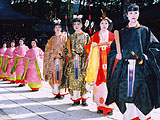
. Fertility - the Emperor plants rice .
Some festivals are also listed among the "fire festivals" (hi matsuri), see LINK below.
Others are a kind of "tug of war" ( tsunabiki 大綱引き) of long ropes or "mud throwing and mud wrestling".
:::::::::::::::::::::::::::::::::::::::::::::::::::::::::::::::::::::::::::::::::::::::::::::::::::::::::::::::::::::::::::

- quote June 2015 -
Japan's Sexual Gods is an exciting original work about the deities represented by phalluses and female sexual objects in Japanese shrines. Their roles in procreation and protection, their rituals and festivals are described in detail along with unique location photographs.
source : books.google.co.jp
:::::::::::::::::::::::::::::::::::::::::::::::::::::::::::::::::::::::::::::::::::::::::::::::::::::::::::::::::::::::::::
In alphabetical order of the Japanese place names or festivals.
Akabira Fire Festival, Akabira himatsuri
あかびら火まつり, 赤平火祭り
Akabira town 赤平市, Hokkaido
Third weekend in July
Photos
Aoshima Shrine Festival, Hadaka mairi
青島神社はだか参り
Miyazaki Town - Naked Shrine Visit
January 15
Takes place during the daytime on the beach, facing wave-shaped rocks called "Ogre's Washboard".
Local people and worshippers of the shrine dip into the sea to pray for safety and a good harvest in the coming year.
. Aoshima Jinja 青島神社 Aoshima Shrine .
Arai Shrine Naked Festival, Arai Jinja Hadaka Matsuri
荒井神社
January 7
Ariuji Shrine Naked Festival 有氏裸祭り
Ariuji Shrine 有氏(ありうじ)神社, Kamiizumi-mura, Kodama-gun, Saitama prefecture
November 19 有氏神社
Photos
In the late morning, ten men in loincloth throw "red festival rice" (sekihan) at the crowds that gather at the shrine's compound. From olden times, they say that those who bring this rice back home will be immune to all diseases.
Ashibetsu Summer Health Festival,
Ashibetsu Kenka Yamakasa 芦別健夏山笠
Hokkaido, Ashibetsu town 芦別市
Third weekend of July
Photos
Dance of 1000 people, "Yosakoi" dancing, and carrying of a huge float thruogh the town. Some large rice sacks represent the deities of the festival.
:::::::::::::::::::::::::::::::::::::::::::::::::::::::::::::::::::::::::::::::::::::::::::::::::::::
Bandai Naked Festival, Bandai Gyooji 盤台行事
at shrine Ariuji Jinja 有氏神社. 児玉郡神川町下阿久原, Saitama prefecture
November 19
Photos
:::::::::::::::::::::::::::::::::::::::::::::::::::::::::::::::::::::::::::::::::::::::::::::::::::::
Chichibu Sweet Ricewine Festival,
Amazake Matsuri 甘酒まつり
Chichibu Town 秩父市
July 25
Photos
sweet sake, sweet rice wine
Choshoji no Aragyoo 長勝寺の荒行
Religious austerities practiced by Buddhist monks at the temple Chosho-Ji
Kamakura, 鎌倉、長勝寺(ちょうしょうじ chooshoo ji)
February 11
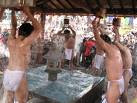 About thirty young monks, wearing white loincloth, who have been training at another temple in the mountains of Kanagawa for the past four months, splash cold water over themselves at a special place for this ritual, the "water purification place, "Suigyo-jo 水行所 " . First they recite the sutras. This is a very important ceremony of the Nichiren sect.
:::::::::::::::::::::::::::::::::::::::::::::::::::::::::::::::::::::::::::::::::::::::::::::::::::::
Donto Festival, Dontozai どんと祭 どんとさい
Osaki Hachiman Shrine, Sendai, Miyagi Prefecture
January 14
Burning of the New Year's decorations with a prayer for good health in the coming year. Naked men walk around the town.
Photos
LOOK !
source : www.youtube.com
Donto fire festivals are held in all shrines of Miyagi on this day, but the one of Osaki Hachimangu Shrine is the biggest.
Thousands of residents wrap white hairbands and white cloths around them, hold rice paper inside their mouthes, and carry bells and lanterns, walking on the streets barely clothed. In 2005 (17th year of Heisei), the Donto Festival was appointed as an invaluable folk/ cultural asset of Sendai.
The brightly burning sacred flame as well as the courage of the scantily dressed participants both defeat the cold weather and give this ceremony a sacred air.
source : sendai-hirose.html
:::::::::::::::::::::::::::::::::::::::::::::::::::::::::::::::::::::::::::::::::::::::::::::::::::::
Donzuki Matsuri ... どんづき祭 "Body throwing festival"
Niigata, Japan, at the Shibata village shrine.
Doronko Matsuri, Mud Festival, muddy festival
どろんこまつり
Mimusubi Shrine, 皇産霊神社 (みむすび)Yotsukaido, Chiba Pref .
February 25
Photos !
Also called Warabi Hadaka Matsuri 「和良比はだか祭り」
With prayers for a good harvest and the good health of children.
In the afternoon, people smear mud on each others faces.
Dotsu Shrine Fire Festival, Dootsuuguu Kodomo Eyoo
道通宮子供会陽
Okita Shrine 沖田神社, Okayama Town, Okayama prefecture
Late in February
Photos
Children in red and white loincloth fight for the "sacred stick".
. Doyadoya festival どやどや祭り Doya Doya Matsuri .
Shitennoji Osaka 大阪 四天王寺
January 14
:::::::::::::::::::::::::::::::::::::::::::::::::::::::::::::::::::::::::::::::::::::::::::::::::::::
Enoshima Tenno Sai 江ノ島天王祭
Enoshima, Kamakura, Kanagawa prefecture
Middle of July
Photos
Mikoshi are carried in the sea.
WKD Library: Article by Ikeuchi Tai
Tenno-Sai and Ritual Space
Esa Sea Gull Festival, Esa Kamome Matsuri
江差かもめ島まつり
Eas Town, Hokkaido 江差町、六尺
First Sunday in July
Photos
:::::::::::::::::::::::::::::::::::::::::::::::::::::::::::::::::::::::::::::::::::::::::::::::::::::
Fukagawa Shinmei-Gu Big Shrine Festival
深川神明宮 例大祭
Fukagawa, Tokyo
Middle of August
Photos
Takes place once in three years, next in 2009. One of the Big Festivals in Tokyo.
Also called "Fukagawa Hachiman Matsuri" .
Reference
Fukue Naked Festival, Fukue Hadaka Matsuri
Fukue Town 福江祭り ふくえまつり, Nagasaki prefecture
January 16
Fukuno Fire Fighting festival (福野火祭り)
Fukuno Town 福野町, Noto Peninsula
January 6
Men in loincloths hold long decorated bamboo poles into jets of water from fire hoses.
Furukawa Matsuri 古川祭(ふるかわまつり)
Kita-Wakamiya Grand Festival. Furukawa-cho, Yoshiki-gun, Gifu Pref.
April 19 and 29
A spring festival.
In the late evening of the 19th, a large drum (okoshidaiko) is carried through the town by barely dressed men, while eleven exquisitely decorated decorated festival floats, are displayed in the streets during daytime. Men in loincloth wrangle around the big drum.
. Furukawa no okoshi daiko
古川の起し太鼓 (ふるかわのおこしだいこ)
"wake-up drums from Furukawa"
飛騨古川起し太鼓 Hida Furukawa Okoshi Daiko
Hida Town 飛騨市
:::::::::::::::::::::::::::::::::::::::::::::::::::::::::::::::::::::::::::::::::::::::::::::::::::::
. Hakata Gion Yamagasa Festival 博多祇園山笠 .
Hakata matsuri 博多祭(はかたまつり) Hakata festival
Hakata town, Fukuoka prefecture
July 15
The Hakata Gion Yamagasa festival is a religious ritual of Hakata's grand tutelary shrine, Kushida Shrine. It is concentrated on "Decoration Floats", Kazari Yamagasa, which are covered with beautiful Hakata dolls and set up in various places around the town. As opposed to the elegant and feminine Kazari Yamagasa, the masculine "Kaki Yamagasa" is carried around the city from the 10th. The climax of the festival is the Oiyama race that starts from early morning on the 15th.
Reference
Hamaori Festival, Hamaori sai 浜降り祭
"Down-to-the-beach festival"
Samukawa Shrine, Chigasaki, Kanagawa Pref.
July 20
Photos
40 portable shrines (mikoshi) are be carried by men dressed in loincloth into the sea at Nishi-hama,Chigasaki Beach. Afterwards at seven, a Shinto ceremony is conducted at the beach, while the carriers of the portable shrines shout "Dokkoi! Dokkoi!"
Since it starts at 5 in the morning, it is also called "Dawn Festival."
Hamatama Naked Festival 浜玉裸祭り
Hamatama village, 浜玉町 Saga prefecture
July 4
ooo ooo ooo ooo ooo ooo ooo ooo ooo ooo ooo
Hekokaki Festival へこかき祭り
Shrine 高良大社, Kurume Town, Saga prefecture
June 1 and 2
Hekokaki Hadaka Mairi へこかき裸参り, Kawatari sai 川渡祭
Photos
Photos from Wada San !
If yuo wear something red on the two days of the festival, it will bring good luck in the following year.
Men in red loincloth purify in water to honor the god of the shrine, the old name of it was "Shrine with a well of really delicious water" Umami Shimizu Mii Jinja 味水御井神社(うましみずみいじんじゃ).
HEKO means the red loincloth. In Kurume, the red loincloth is called "Akabeko".
Cold-water ablutions,
Competing endurance
to the cold.
かんごりや がまんづよさの きそいあい
kangori ya gaman zuyosa no kisoiai
Wada San, Photos, Festivals and Haiku
ooo ooo ooo ooo ooo ooo ooo ooo ooo ooo ooo
Hino no Hadaka Odori 日野の裸踊 Naked Dance in Hino
Hofu Tenmangu Half-Naked Festival, Hadakambo 裸坊祭
防府天満宮, Hofu Town, Yamaguchi prefecture
November 23
防府天満宮御神幸祭
Photos
In the evening, men in loincloth brave the cold and carry portable shrines (mikoshi) through the streets of the town to Tenmangu Shrine, dedicated to Sugawara Michizane, the demi-god of literature and scholarship.
Hokai-ji Kyoto
Naked Dance, Hadaka Odori 裸踊り
法界寺(京都市伏見区、越中)
January 14
In the evening, two groups of young men push and shove each other whilst chanting.
Horane Festival, Horane Matsuri 禿鯖 (ほらね祭り)
Bungo Takata town, Oita prefecture 豊後高田市
January 1
Photos !
also called
Wakamiya Hachiman Hadaka Matsuri
若宮八幡裸祭り
Horigome Naked Festival 堀米裸祭り
Shrine Tsushima Jinja 津島神社, Matsumoto Town, 松本市島立
Last day of July, first day of June
Photos
Young boys of the grammar school take part in this ritual in honor of the "Ox-headed Deity", Gozu Tenoo 牛頭天王. It is supposed to ward off disease in the coming year. The boys of the fifth and sixth grade shout "onyaasaa", the one's of the third and fourth grade carry flagpoles and the boys of the first and second grade shout "monyaasaa".
:::::::::::::::::::::::::::::::::::::::::::::::::::::::::::::::::::::::::::::::::::::::::::::::::::::
Ichinobe Hadaka Matsuri 市辺裸まつり
Temple Hotokuji Yakushido, Shiga Pref.
January 8
Ichi no Miya Juunisha Hadaka Matsuri
十二社はだか祭り
Ichinomiya Village, 一之宮, Chiba prefecture
September 13
Photos
Itoigawa Naked Throwing, Hadaka Do-age
はだか胴上げ
糸魚川市. Fujisaki Kannon Hall 藤崎観音堂, Niigata prefecture
January 17
Photos
This goes back to the Edo period. Men of the year are thrown high into the temple hall. Onlookers shout "mekketaa!"
Iwakura Temple Ceremony Iwakura Eyo 岩倉寺会陽
Nishi Awakura Village, 西粟倉村 Okayama prefecture
Second Saturday in February
Young people fight for a ritual stick, shingi.
Photos of the Temple / Japanese reference
:::::::::::::::::::::::::::::::::::::::::::::::::::::::::::::::::::::::::::::::::::::::::::::::::::::
Kagoshima Summer Festival, Kagoshim Natsu Matsuri
かごしま夏祭り, 鹿児島夏祭り
Kagoshim Town
Middle of July
Photos
Takes place near Shinto shrines called "June Lantern Festival" (rokugatsu doo 六月灯).
English Reference
Kanchu Suiyoku, midwinter bathing 寒中水浴
Teppozu Inari Shrine 鐵砲洲稲荷神社, Chuo-ku, Tokyo
January 12
Men wearing only loincloths pour purifying water over themselves.
Kanda Festival, Kanda Matsuri 神田祭
At Kanda Shrine, 神田神社 Chiyoda Ward, Tokyo
Middle of May
Reference
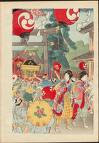 The big event is held every second year, next is 2009. 100 portable shrines gather for this festival and a procession of 300 people parades through the streets of Tokyo. One of the Big Festivals of Tokyo, retaining an atmosphere of Old Edo.
Kankosai, Festival of Welcoming the Gods 還幸祭
Saga Matsuri 嵯峨祭Shrine Nonomiya Jinja 野宮神社,
Atago Jinja 愛宕神社(京都市右京区) Atago shrine
Fourth Sunday in May
Photos
Reference
. The Atago shrines of Japan .
Katsuragake Shrine Naked Festival
葛懸神社 裸まつり
Shrine Katsuragake Jinja , Gifu prefecture
Second Saturday in December
Photos
A few hundred young men jump into the Nagara river to purify themselves. Three times, starting at three in the early morning, then at seven and at ten.
...................................................... also called:
Ike no Ue Cold Water Ablutions, Ikenoue Misogi Sai
池ノ上みそぎ祭
Photos
Ikenoue Purification Ceremony
Kikonai Cold Water Ablutions Ceremony,
Kikonai Kanchuu Misogi 寒中みそぎ祭り
Hokkaido 木古内町
January 13 till 15
. Samegawa (Samekawa) ablutions 佐女川神社 in Kikonai
Kinzanji Ceremony, Kinzanji Eyo 金山寺会陽
Temple Kinzanji, 岡山市金山 Okayama prefecture
First Saturday in February
"Naked Whirl", hadaka uzu 裸の渦
Photos
Young men in white loincloth fight for five lucky ritual sticks 副宝木.
Kokuseki-Ji Naked Man Festival 黒石裸祭 Kuroishi Festival
Onigo Matsuri 鬼子祭り
February 11
Konomiya (Ko no Miya) Naked Festival国府宮はだか祭り
Shrine Konomiya, Inazawa Town, 稲沢市(国府宮町) Aichi prefecture
Inazawa Naked Festival 稲沢裸祭り
Inazawa Town 稲沢国府宮はだか祭り
Naoi no shinji 儺追の神事 (なおいのしんじ)
Naoi ritual for driving away evil
..... naoe matsuri 直会祭(なおえまつり) Naoe festival
..... naoi matsuri 儺追祭(なおいまつり) Naoi Festival
January 13
Kui Inari Shrine Hadaka Matsuri, O-Fuku Hiraki Sai
御福開祭はだか祭
Ceremony to open up your good luck !
Shrine Kui Inari Jinja, Mihara Town, 久井稲生神社, 三原市, Hiroshima prefecture
Third Saturday in February
Photos
Young men in loincloth fight for a ritual luck stick 御福木, sometimes more than one hour. Before the fight they jump into a river for purification and consume some sacred rice wine for extra strength.
Kurama Fire Festival, Kurama no hi matsuri
鞍馬の火祭
October 22
Kurihara Naked Barrel Shrine procession
Hadaka Taru Mikoshi 裸樽神輿, 樽みこし
栗原市
November 2 and 3
Photos
"Taru Mikoshi" is a portable shrine made of sake barrels. Many are carried by children.
Kyojoji Temple
and Shrine Hachimangu, Morioka, Iwate prefecture
Hadaka-mairi 裸参り, shrine visit paid by partly attired youths. They wear a straw skirt (koshi mino) around the hips. (koshimino 腰蓑 .. こしみの).
盛岡八幡宮(盛岡市
January 14, 15 and 26
:::::::::::::::::::::::::::::::::::::::::::::::::::::::::::::::::::::::::::::::::::::::::::::::::::::
Mihama Naked Ceremony, Mihama Hadaka Matsuri
美浜 裸祭り, hadaka mairi
Mihama town, Aichi prefecture
December 31 toward January 1
美浜野間神社裸詣り. 上野間 Kaminoma Naked Festival
Photos
"Letting it all hang out in Mihama", they are really naked.
Young men who are turning twenty or 25 strip completely and run through town down to the beach; they plunge in the sea for purification before running back through the town, put on a loincloth and take part in the festival.
Mimasaka Hadaka Matsuri 美作裸祭り
Mimasaka Town, Okayama prefecture
Temple Anyo-Ji (Anyoo-Ji) 安養寺会陽
Second sunday in February
Mitsuke Tenjin Hadaka Matsuri
見付天神裸祭(みつけてんじんはだかまつり)
Mitsuke Tenjin Shrine, Iwata, Shizuoka prefecture
September 6 and 7
Photos
In the evening about 9, 400 young men in white loincloth proceed toward the shrine.
As soon as they arrive there, they dance the "devil's dance" (oni odori)
Later after midnight all lights are extinguished and the youths carrying a portable shrine (mikoshi) jostle each other while making their way toward Omi-no-Kunitama Shrine.
Mitsuke-tenjin Hadaka-matsuri: Reference
. Mitsuke Tenjin and Shrine Yanahime Jinja 矢奈比売神社 .
:::::::::::::::::::::::::::::::::::::::::::::::::::::::::::::::::::::::::::::::::::::::::::::::::::::
. Nada Fighting Festival, Nada no Kenka Matsuri
灘のけんか祭り
Shrine Matsubara Hachiman Jinja 松原八幡神社, Himeji Town 姫路市, Hyogo prefecture
October 14/ 15
Nagasu Hadaka Mairi 長洲裸参り
Nagasu town, Kumamoto prefecture
January 15
Nakada Naked Festival 中田裸祭り
Toyoda Town, 豊田市, Aichi prefecture
Beginning of March
Photos
Nakatsu Naked Festival, Saisukui さいすくい
Nakatsu Town, 中津市, Oita prefecture
Late in November
Photos
Young men in white headbands and loincloth take a dip in the nearby river, try to catch little fish in a barrel and offer the fish to the gods.
Nanoka-Do Naked Festival,
Nanoka Doo Hadaka Mairi 七日堂裸詣り
Yanaizu Town 柳津町, Fukushima Pref
January 7
The small township of Yanaizu annually holds the Hadaka do mairi Festival.People from all over the prefecture gather at this small temple hall, dressed only in a white loincloth, to climb to the top of the sacred hall of Kokuzo Bosatsu. The statue of this deity is said to be the largest in Japan. They do in in defiance to the harsh cold of winter that blankets the area.
Photos !
. . . . . Naked Festival at Yanaizu
Niiza Town Naked Mikoshi 新座市 はだか神輿
Saitama prefecture, Owada Hikawa Shrine 大和田氷川神社
Last Friday in July, starting at seven in the evening
Photos
Young men wear white fundoshi and tabi socks. They carry the mikoshi along the old traveller's road of Kawagoe in a rather wild procession.
Nose Myoken-Do Naked Festival 能勢妙見堂
Suigyoo Kokuto-e, cold water ablutions 水行国祈会
Tokyo, Sumida-Ku, Temple Myokenzan Betsu-in 能勢妙見山別院
Feburary 2
Priests in white loincloth splash cold water over themselves while chanting sutras.
:::::::::::::::::::::::::::::::::::::::::::::::::::::::::::::::::::::::::::::::::::::::::::::::::::::
Ohara Hadaka Matsuri 大原はだか祭り
Oohara, Ohara Kaigan Beach, Izumi town いすみ市, Chiba prefecture
September 23 and 24
 The tradition goes back to the Edo period.
Groups of youths in loincloth wade into the water and heave and shake portable shrines (mikoshi), sometimes submerging them into the sea water.
There are around 19 Shinto shrines participating in this ceremony.
Ohara Mizu-kake Matsuri, Water-throwing Festival
大原 水掛祭り
Daito-machi, Iwate prefecture
February 11
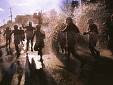 In this special afternoon festival 200 half-naked men rush along the streets into the central part of the town after having dedicated a giant shimenawa (sacred straw festoon) weighing 72 kg, with townspeople dashing cold water over the running men.
Ohasama Naked Festival 大迫裸祭り
Ohasama Village, Iwate prefecture 大迫町(おおはさままち)
March 17
Oniyo Fire Festival, "Demons Night"
鬼夜(おによ)"
Daizenji Town, Kurume, Fukuoka
January 7.
:::::::::::::::::::::::::::::::::::::::::::::::::::::::::::::::::::::::::::::::::::::::::::::::::::::
Saidai-Ji Temple 西大寺, Okayama
Eyoo 会陽 "Ee-yoo Ceremony"
Saidaiji Hadaka Matsuri 西大寺裸祭り
Third Sunday in February
Sanja Matsuri, Festival at Asakusa Kannon 三社祭
Tokyo
Middle of May
Shimogamo Shrine Arrow Ceremony, yatori shinji
矢取り神事
"Getting over the Summer" nagoshi shinji 夏越神事
Summer Purification Rite
Kyoto, Shimogamo Shrine 下鴨神社
Beginning of August
Photos
Reference about this famous Shrine
Reference about the Festival
. Shrine-complex Kamo Jinja 賀茂神社
.................................................................................
Shinzan Shrine Naked Ceremony 新山神社
Shinzan shrine naked pilgrimage festival
新山神社裸まいり : shinzan jinja hadaka mairi
Honjo, Akita prefecture 秋田県由利本荘市
January 16
. . . CLICK here for Photos !
Young men with offerings for the deity jostle throught the town and to the shrine.

新山や雪の参道裸者登る
Shinzan ya yuki no sandoo rasha noboru
naked men
climb the snowy approach –
Shinzan shrine
source : Hidenori Hiruta - Akita Haiku
.................................................................................
Shorinji Ceremony for Children, Shoorinji Kodomo Eyoo
松林寺子供会陽
Okayama Town, Miya no ura 岡山市宮浦
First Sunday in February
Photos
Since 1978, to show the strength and power of the local children and youngsters. Two groups fight for a ritual stick 宝木. They are normally dressed, but the upper body is naked.
The temple Shorinji itself is very old, dating back to the year 739.
:::::::::::::::::::::::::::::::::::::::::::::::::::::::::::::::::::::::::::::::::::::::::::::::::::
Takezaki Devil Expelling Festival, Enza sai
竹崎の円座祭, 竹崎観世音寺修正会鬼祭
Takezaki no Oni Matsuri 竹崎の鬼祭
Temple Kannon-Ji, Takezaki Town (Takesaki), Saga prefecture
January 2,3 or 6.
Photos
Four demons in red dress arrive with a sutra box and are chased away by the men in white loincloth. They also use drums and cymbals to drive away the demons, which finally leave as the music gets louder. The men get hold of the red coats and shred them.
Tamasaki Hadaka Matsuri 玉前裸祭り
Tamasaki Jinja Hadaka Matsuri 玉前神社はだか祭り
Tamasaki Shrine, Ichinomiya-machi, Chosei-gun, Chiba prefecture
September 13
Photos
A religious ceremony starting at ten in the morning at the shrine. Around one thirty two portable shrines (mikoshi), escorted by hundreds of onlookers and some Shinto priests, walk toward Tsurigasaki Beach. There nine other portable shrines from twelve other shrines in the neighbourhood assemble for the final rituals.
Tama Seseri 玉せせり (たませせり)
"gem hunting"
Tama seri Matsuri 玉せり祭(たませりまつり)
Tama tori Matsuri 玉取祭(たまとりまつり)
January 3. Fukuoka Town. 筥崎宮(福岡市東区)
Reference
Tokiwa Hachimangu Fire Ropes Festival
常盤八幡宮年縄(としな)奉納裸参り
Fujisaki Village 青森県南津軽郡藤崎町, Aomori prefecture
January first
Photos
A large rope (toshina) of four meters lenght and weighing more than 400 kilogramms is carried round town by men after cold water ablutions. They shout "saigi saigi" to keep warm. Its origin dates back to the year 1664.
Torisashi Odori , Catching Bird Dance
鳥刺し踊り
Unzan Town, Kojiro village 雲仙市, 神代町(こうじろまち) Nagasaki prefecture
Photos
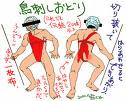 Men in red loincloths wrapped around the whole body in a special fashion carrying long spears dance.
This has a tradition of 200 years at the shrine for Inari Daimyojin 稲荷大明神.
LOOK at the dance HERE !
GOOGLE for more reference
:::::::::::::::::::::::::::::::::::::::::::::::::::::::::::::::::::::::::::::::::::::::::::::::::::::
Urasa no Doo Oshi ... 浦佐の堂押し
Naked Festival at Temple Fukoo-Ji 普光寺, Urasa, Niigata prefecture
hadaka oshi 裸押し.
:::::::::::::::::::::::::::::::::::::::::::::::::::::::::::::::::::::::::::::::::::::::::::::::::::::
Wajima Cold Water Ablutions,
Kanchuu misogi 寒中みそぎ
Wajima Town, Ishikawa prefecture
End of January
Photos
:::::::::::::::::::::::::::::::::::::::::::::::::::::::::::::::::::::::::::::::::::::::::::::::::::::
Yanaizu Hadaka Matsuri 柳津裸祭 Naked Festival at Yanaizu
(Yanagizu)
Held on January 7 in the town of Yanaizu, Fukushima prefecture
The naked participants, about 300 of them, have to climb the rope up to the bell (waniguchi) in front of the temple. Onlookers might throw snowballs at them.
As a prayer for good health, this festival is held for more than 1000 years now in honor of a dragon deity.
Yaya Matsuri, やや祭り(ややまつり)
庄内町千河原(ちがわら,) Amarume Town, Yamagata prefecture
Sunday close to January 15
 Young boys aged five to fourteen take part in this ritual. They wear straw raincoats called "kendai ケンダイ" wrapped around the hips. They have a straw crown on their head and a candle in each hand. They perform "a hundred times worship" (o-hyakudo mairi) at the local shrine Hachiman Jinja 八幡神社.
On this day, young couples and pregnant women visit the shrine too and pray for the safe birth and the healthy growth of their children.
Yotsukaido Naked Shrine Visit,
Hadaka Mairi 裸参り
四街道市, Kumano Shrine 熊野神社
March 15
Reference
Half-naked men take part in this. They usually wear long or short underwear.
......................... also at Yotsukaido
Mud Slinging Festival , "Dairokuten Hadaka Matsuri"
Late February
Photos
Reference
For the deity "Dairoku Tema-O" 第六天魔王(だいろくてんまおう, Dairokuten Sama 第六天さま. Men wrestle in the muddy fields and throw around the mud or smear it on children.
WKD : Dairoku Tenma-O, Omodaru, Ayakashikone ... Deities
YUI TOWN : Big Drum Festival (O-Taiko Matsuri )
January 1 - 3
Yukake Matsuri, Throwing hot water 湯かけ祭り
Kawarayu Onsen, Naganohara-machi 長野原町, Gunma prefecture
January 20, early morning
Photos
Reference
:::::::::::::::::::::::::::::::::::::::::::::::::::::::::::::::::::::::::::::::::::::::::::::::::::::
Zentsuji Naked Festival, Zentsuuji Eyoo
善通寺会陽, 善通寺裸祭り
Temple Zentsu-Ji, Kagawa prefecture
Late in February
More than 1000 naked men fight for two "sacred sticks".
This festival has a history of more than 400 years.
善通寺大会陽 More Photos

© PHOTO : www.tomatte.net
*****************************
Worldwide use
*****************************
Things found on the way
Learn more about Yakushi Nyorai, the Buddha of Healing
Mark Schumacher
*****************************
HAIKU
naked festival -
the little boy shivers
in his father's arms
Gabi Greve, 1998, Temple Saidai-Ji, Okayama
*****************************
Related words
***** WKD - Fire Festivals (hi matsuri 火祭り)
***** WKD Saijiki for Festivals and Ceremonies
:::::::::::::::::::::::::::::::::::::::::::::::::::::::::::::::::::::::::::::::::::::::::::::::::::::::::::::::::::::::::::
http://wkdfestivalsaijiki.blogspot.jp/2007/01/naked-festivals.html
Naked Festival, Naked Man Festival, Naked Men Festival ...
they come in many variations here in Japan.
Fertility was (and still is) the most important aspect of human life, and the many festivals relating the the phallus and fertility symbols are just one expression of its importance.
. Fertility - the Emperor plants rice .
Some festivals are also listed among the "fire festivals" (hi matsuri), see LINK below.
Others are a kind of "tug of war" ( tsunabiki 大綱引き) of long ropes or "mud throwing and mud wrestling".
:::::::::::::::::::::::::::::::::::::::::::::::::::::::::::::::::::::::::::::::::::::::::::::::::::::::::::::::::::::::::::
- quote June 2015 -
Japan's Sexual Gods is an exciting original work about the deities represented by phalluses and female sexual objects in Japanese shrines. Their roles in procreation and protection, their rituals and festivals are described in detail along with unique location photographs.
source : books.google.co.jp
:::::::::::::::::::::::::::::::::::::::::::::::::::::::::::::::::::::::::::::::::::::::::::::::::::::::::::::::::::::::::::
In alphabetical order of the Japanese place names or festivals.
Akabira Fire Festival, Akabira himatsuri
あかびら火まつり, 赤平火祭り
Akabira town 赤平市, Hokkaido
Third weekend in July
Photos
Aoshima Shrine Festival, Hadaka mairi
青島神社はだか参り
Miyazaki Town - Naked Shrine Visit
January 15
Takes place during the daytime on the beach, facing wave-shaped rocks called "Ogre's Washboard".
Local people and worshippers of the shrine dip into the sea to pray for safety and a good harvest in the coming year.
. Aoshima Jinja 青島神社 Aoshima Shrine .
Arai Shrine Naked Festival, Arai Jinja Hadaka Matsuri
荒井神社
January 7
Ariuji Shrine Naked Festival 有氏裸祭り
Ariuji Shrine 有氏(ありうじ)神社, Kamiizumi-mura, Kodama-gun, Saitama prefecture
November 19 有氏神社
Photos
In the late morning, ten men in loincloth throw "red festival rice" (sekihan) at the crowds that gather at the shrine's compound. From olden times, they say that those who bring this rice back home will be immune to all diseases.
Ashibetsu Summer Health Festival,
Ashibetsu Kenka Yamakasa 芦別健夏山笠
Hokkaido, Ashibetsu town 芦別市
Third weekend of July
Photos
Dance of 1000 people, "Yosakoi" dancing, and carrying of a huge float thruogh the town. Some large rice sacks represent the deities of the festival.
:::::::::::::::::::::::::::::::::::::::::::::::::::::::::::::::::::::::::::::::::::::::::::::::::::::
Bandai Naked Festival, Bandai Gyooji 盤台行事
at shrine Ariuji Jinja 有氏神社. 児玉郡神川町下阿久原, Saitama prefecture
November 19
Photos
:::::::::::::::::::::::::::::::::::::::::::::::::::::::::::::::::::::::::::::::::::::::::::::::::::::
Chichibu Sweet Ricewine Festival,
Amazake Matsuri 甘酒まつり
Chichibu Town 秩父市
July 25
Photos
sweet sake, sweet rice wine
Choshoji no Aragyoo 長勝寺の荒行
Religious austerities practiced by Buddhist monks at the temple Chosho-Ji
Kamakura, 鎌倉、長勝寺(ちょうしょうじ chooshoo ji)
February 11
About thirty young monks, wearing white loincloth, who have been training at another temple in the mountains of Kanagawa for the past four months, splash cold water over themselves at a special place for this ritual, the "water purification place, "Suigyo-jo 水行所 " . First they recite the sutras. This is a very important ceremony of the Nichiren sect.:::::::::::::::::::::::::::::::::::::::::::::::::::::::::::::::::::::::::::::::::::::::::::::::::::::
Donto Festival, Dontozai どんと祭 どんとさい
Osaki Hachiman Shrine, Sendai, Miyagi Prefecture
January 14
Burning of the New Year's decorations with a prayer for good health in the coming year. Naked men walk around the town.
Photos
LOOK !
source : www.youtube.com
Donto fire festivals are held in all shrines of Miyagi on this day, but the one of Osaki Hachimangu Shrine is the biggest.
Thousands of residents wrap white hairbands and white cloths around them, hold rice paper inside their mouthes, and carry bells and lanterns, walking on the streets barely clothed. In 2005 (17th year of Heisei), the Donto Festival was appointed as an invaluable folk/ cultural asset of Sendai.
The brightly burning sacred flame as well as the courage of the scantily dressed participants both defeat the cold weather and give this ceremony a sacred air.
source : sendai-hirose.html
:::::::::::::::::::::::::::::::::::::::::::::::::::::::::::::::::::::::::::::::::::::::::::::::::::::
Donzuki Matsuri ... どんづき祭 "Body throwing festival"
Niigata, Japan, at the Shibata village shrine.
Doronko Matsuri, Mud Festival, muddy festival
どろんこまつり
Mimusubi Shrine, 皇産霊神社 (みむすび)Yotsukaido, Chiba Pref .
February 25
Photos !
Also called Warabi Hadaka Matsuri 「和良比はだか祭り」
With prayers for a good harvest and the good health of children.
In the afternoon, people smear mud on each others faces.
Dotsu Shrine Fire Festival, Dootsuuguu Kodomo Eyoo
道通宮子供会陽
Okita Shrine 沖田神社, Okayama Town, Okayama prefecture
Late in February
Photos
Children in red and white loincloth fight for the "sacred stick".
. Doyadoya festival どやどや祭り Doya Doya Matsuri .
Shitennoji Osaka 大阪 四天王寺
January 14
:::::::::::::::::::::::::::::::::::::::::::::::::::::::::::::::::::::::::::::::::::::::::::::::::::::
Enoshima Tenno Sai 江ノ島天王祭
Enoshima, Kamakura, Kanagawa prefecture
Middle of July
Photos
Mikoshi are carried in the sea.
WKD Library: Article by Ikeuchi Tai
Tenno-Sai and Ritual Space
Esa Sea Gull Festival, Esa Kamome Matsuri
江差かもめ島まつり
Eas Town, Hokkaido 江差町、六尺
First Sunday in July
Photos
:::::::::::::::::::::::::::::::::::::::::::::::::::::::::::::::::::::::::::::::::::::::::::::::::::::
Fukagawa Shinmei-Gu Big Shrine Festival
深川神明宮 例大祭
Fukagawa, Tokyo
Middle of August
Photos
Takes place once in three years, next in 2009. One of the Big Festivals in Tokyo.
Also called "Fukagawa Hachiman Matsuri" .
Reference
Fukue Naked Festival, Fukue Hadaka Matsuri
Fukue Town 福江祭り ふくえまつり, Nagasaki prefecture
January 16
Fukuno Fire Fighting festival (福野火祭り)
Fukuno Town 福野町, Noto Peninsula
January 6
Men in loincloths hold long decorated bamboo poles into jets of water from fire hoses.
Furukawa Matsuri 古川祭(ふるかわまつり)
Kita-Wakamiya Grand Festival. Furukawa-cho, Yoshiki-gun, Gifu Pref.
April 19 and 29
A spring festival.
In the late evening of the 19th, a large drum (okoshidaiko) is carried through the town by barely dressed men, while eleven exquisitely decorated decorated festival floats, are displayed in the streets during daytime. Men in loincloth wrangle around the big drum.
. Furukawa no okoshi daiko
古川の起し太鼓 (ふるかわのおこしだいこ)
"wake-up drums from Furukawa"
飛騨古川起し太鼓 Hida Furukawa Okoshi Daiko
Hida Town 飛騨市
:::::::::::::::::::::::::::::::::::::::::::::::::::::::::::::::::::::::::::::::::::::::::::::::::::::
. Hakata Gion Yamagasa Festival 博多祇園山笠 .
Hakata matsuri 博多祭(はかたまつり) Hakata festival
Hakata town, Fukuoka prefecture
July 15
The Hakata Gion Yamagasa festival is a religious ritual of Hakata's grand tutelary shrine, Kushida Shrine. It is concentrated on "Decoration Floats", Kazari Yamagasa, which are covered with beautiful Hakata dolls and set up in various places around the town. As opposed to the elegant and feminine Kazari Yamagasa, the masculine "Kaki Yamagasa" is carried around the city from the 10th. The climax of the festival is the Oiyama race that starts from early morning on the 15th.
Reference
Hamaori Festival, Hamaori sai 浜降り祭
"Down-to-the-beach festival"
Samukawa Shrine, Chigasaki, Kanagawa Pref.
July 20
Photos
40 portable shrines (mikoshi) are be carried by men dressed in loincloth into the sea at Nishi-hama,Chigasaki Beach. Afterwards at seven, a Shinto ceremony is conducted at the beach, while the carriers of the portable shrines shout "Dokkoi! Dokkoi!"
Since it starts at 5 in the morning, it is also called "Dawn Festival."
Hamatama Naked Festival 浜玉裸祭り
Hamatama village, 浜玉町 Saga prefecture
July 4
ooo ooo ooo ooo ooo ooo ooo ooo ooo ooo ooo
Hekokaki Festival へこかき祭り
Shrine 高良大社, Kurume Town, Saga prefecture
June 1 and 2
Hekokaki Hadaka Mairi へこかき裸参り, Kawatari sai 川渡祭
Photos
Photos from Wada San !
If yuo wear something red on the two days of the festival, it will bring good luck in the following year.
Men in red loincloth purify in water to honor the god of the shrine, the old name of it was "Shrine with a well of really delicious water" Umami Shimizu Mii Jinja 味水御井神社(うましみずみいじんじゃ).
HEKO means the red loincloth. In Kurume, the red loincloth is called "Akabeko".
Cold-water ablutions,
Competing endurance
to the cold.
かんごりや がまんづよさの きそいあい
kangori ya gaman zuyosa no kisoiai
Wada San, Photos, Festivals and Haiku
ooo ooo ooo ooo ooo ooo ooo ooo ooo ooo ooo
Hino no Hadaka Odori 日野の裸踊 Naked Dance in Hino
Hofu Tenmangu Half-Naked Festival, Hadakambo 裸坊祭
防府天満宮, Hofu Town, Yamaguchi prefecture
November 23
防府天満宮御神幸祭
Photos
In the evening, men in loincloth brave the cold and carry portable shrines (mikoshi) through the streets of the town to Tenmangu Shrine, dedicated to Sugawara Michizane, the demi-god of literature and scholarship.
Hokai-ji Kyoto
Naked Dance, Hadaka Odori 裸踊り
法界寺(京都市伏見区、越中)
January 14
In the evening, two groups of young men push and shove each other whilst chanting.
Horane Festival, Horane Matsuri 禿鯖 (ほらね祭り)
Bungo Takata town, Oita prefecture 豊後高田市
January 1
Photos !
also called
Wakamiya Hachiman Hadaka Matsuri
若宮八幡裸祭り
Horigome Naked Festival 堀米裸祭り
Shrine Tsushima Jinja 津島神社, Matsumoto Town, 松本市島立
Last day of July, first day of June
Photos
Young boys of the grammar school take part in this ritual in honor of the "Ox-headed Deity", Gozu Tenoo 牛頭天王. It is supposed to ward off disease in the coming year. The boys of the fifth and sixth grade shout "onyaasaa", the one's of the third and fourth grade carry flagpoles and the boys of the first and second grade shout "monyaasaa".
:::::::::::::::::::::::::::::::::::::::::::::::::::::::::::::::::::::::::::::::::::::::::::::::::::::
Ichinobe Hadaka Matsuri 市辺裸まつり
Temple Hotokuji Yakushido, Shiga Pref.
January 8
Ichi no Miya Juunisha Hadaka Matsuri
十二社はだか祭り
Ichinomiya Village, 一之宮, Chiba prefecture
September 13
Photos
Itoigawa Naked Throwing, Hadaka Do-age
はだか胴上げ
糸魚川市. Fujisaki Kannon Hall 藤崎観音堂, Niigata prefecture
January 17
Photos
This goes back to the Edo period. Men of the year are thrown high into the temple hall. Onlookers shout "mekketaa!"
Iwakura Temple Ceremony Iwakura Eyo 岩倉寺会陽
Nishi Awakura Village, 西粟倉村 Okayama prefecture
Second Saturday in February
Young people fight for a ritual stick, shingi.
Photos of the Temple / Japanese reference
:::::::::::::::::::::::::::::::::::::::::::::::::::::::::::::::::::::::::::::::::::::::::::::::::::::
Kagoshima Summer Festival, Kagoshim Natsu Matsuri
かごしま夏祭り, 鹿児島夏祭り
Kagoshim Town
Middle of July
Photos
Takes place near Shinto shrines called "June Lantern Festival" (rokugatsu doo 六月灯).
English Reference
Kanchu Suiyoku, midwinter bathing 寒中水浴
Teppozu Inari Shrine 鐵砲洲稲荷神社, Chuo-ku, Tokyo
January 12
Men wearing only loincloths pour purifying water over themselves.
Kanda Festival, Kanda Matsuri 神田祭
At Kanda Shrine, 神田神社 Chiyoda Ward, Tokyo
Middle of May
Reference
The big event is held every second year, next is 2009. 100 portable shrines gather for this festival and a procession of 300 people parades through the streets of Tokyo. One of the Big Festivals of Tokyo, retaining an atmosphere of Old Edo.Kankosai, Festival of Welcoming the Gods 還幸祭
Saga Matsuri 嵯峨祭Shrine Nonomiya Jinja 野宮神社,
Atago Jinja 愛宕神社(京都市右京区) Atago shrine
Fourth Sunday in May
Photos
Reference
. The Atago shrines of Japan .
Katsuragake Shrine Naked Festival
葛懸神社 裸まつり
Shrine Katsuragake Jinja , Gifu prefecture
Second Saturday in December
Photos
A few hundred young men jump into the Nagara river to purify themselves. Three times, starting at three in the early morning, then at seven and at ten.
...................................................... also called:
Ike no Ue Cold Water Ablutions, Ikenoue Misogi Sai
池ノ上みそぎ祭
Photos
Ikenoue Purification Ceremony
Kikonai Cold Water Ablutions Ceremony,
Kikonai Kanchuu Misogi 寒中みそぎ祭り
Hokkaido 木古内町
January 13 till 15
. Samegawa (Samekawa) ablutions 佐女川神社 in Kikonai
Kinzanji Ceremony, Kinzanji Eyo 金山寺会陽
Temple Kinzanji, 岡山市金山 Okayama prefecture
First Saturday in February
"Naked Whirl", hadaka uzu 裸の渦
Photos
Young men in white loincloth fight for five lucky ritual sticks 副宝木.
Kokuseki-Ji Naked Man Festival 黒石裸祭 Kuroishi Festival
Onigo Matsuri 鬼子祭り
February 11
Konomiya (Ko no Miya) Naked Festival国府宮はだか祭り
Shrine Konomiya, Inazawa Town, 稲沢市(国府宮町) Aichi prefecture
Inazawa Naked Festival 稲沢裸祭り
Inazawa Town 稲沢国府宮はだか祭り
Naoi no shinji 儺追の神事 (なおいのしんじ)
Naoi ritual for driving away evil
..... naoe matsuri 直会祭(なおえまつり) Naoe festival
..... naoi matsuri 儺追祭(なおいまつり) Naoi Festival
January 13
Kui Inari Shrine Hadaka Matsuri, O-Fuku Hiraki Sai
御福開祭はだか祭
Ceremony to open up your good luck !
Shrine Kui Inari Jinja, Mihara Town, 久井稲生神社, 三原市, Hiroshima prefecture
Third Saturday in February
Photos
Young men in loincloth fight for a ritual luck stick 御福木, sometimes more than one hour. Before the fight they jump into a river for purification and consume some sacred rice wine for extra strength.
Kurama Fire Festival, Kurama no hi matsuri
鞍馬の火祭
October 22
Kurihara Naked Barrel Shrine procession
Hadaka Taru Mikoshi 裸樽神輿, 樽みこし
栗原市
November 2 and 3
Photos
"Taru Mikoshi" is a portable shrine made of sake barrels. Many are carried by children.
Kyojoji Temple
and Shrine Hachimangu, Morioka, Iwate prefecture
Hadaka-mairi 裸参り, shrine visit paid by partly attired youths. They wear a straw skirt (koshi mino) around the hips. (koshimino 腰蓑 .. こしみの).
盛岡八幡宮(盛岡市
January 14, 15 and 26
:::::::::::::::::::::::::::::::::::::::::::::::::::::::::::::::::::::::::::::::::::::::::::::::::::::
Mihama Naked Ceremony, Mihama Hadaka Matsuri
美浜 裸祭り, hadaka mairi
Mihama town, Aichi prefecture
December 31 toward January 1
美浜野間神社裸詣り. 上野間 Kaminoma Naked Festival
Photos
"Letting it all hang out in Mihama", they are really naked.
Young men who are turning twenty or 25 strip completely and run through town down to the beach; they plunge in the sea for purification before running back through the town, put on a loincloth and take part in the festival.
Mimasaka Hadaka Matsuri 美作裸祭り
Mimasaka Town, Okayama prefecture
Temple Anyo-Ji (Anyoo-Ji) 安養寺会陽
Second sunday in February
Mitsuke Tenjin Hadaka Matsuri
見付天神裸祭(みつけてんじんはだかまつり)
Mitsuke Tenjin Shrine, Iwata, Shizuoka prefecture
September 6 and 7
Photos
In the evening about 9, 400 young men in white loincloth proceed toward the shrine.
As soon as they arrive there, they dance the "devil's dance" (oni odori)
Later after midnight all lights are extinguished and the youths carrying a portable shrine (mikoshi) jostle each other while making their way toward Omi-no-Kunitama Shrine.
Mitsuke-tenjin Hadaka-matsuri: Reference
. Mitsuke Tenjin and Shrine Yanahime Jinja 矢奈比売神社 .
:::::::::::::::::::::::::::::::::::::::::::::::::::::::::::::::::::::::::::::::::::::::::::::::::::::
. Nada Fighting Festival, Nada no Kenka Matsuri
灘のけんか祭り
Shrine Matsubara Hachiman Jinja 松原八幡神社, Himeji Town 姫路市, Hyogo prefecture
October 14/ 15
Nagasu Hadaka Mairi 長洲裸参り
Nagasu town, Kumamoto prefecture
January 15
Nakada Naked Festival 中田裸祭り
Toyoda Town, 豊田市, Aichi prefecture
Beginning of March
Photos
Nakatsu Naked Festival, Saisukui さいすくい
Nakatsu Town, 中津市, Oita prefecture
Late in November
Photos
Young men in white headbands and loincloth take a dip in the nearby river, try to catch little fish in a barrel and offer the fish to the gods.
Nanoka-Do Naked Festival,
Nanoka Doo Hadaka Mairi 七日堂裸詣り
Yanaizu Town 柳津町, Fukushima Pref
January 7
The small township of Yanaizu annually holds the Hadaka do mairi Festival.People from all over the prefecture gather at this small temple hall, dressed only in a white loincloth, to climb to the top of the sacred hall of Kokuzo Bosatsu. The statue of this deity is said to be the largest in Japan. They do in in defiance to the harsh cold of winter that blankets the area.
Photos !
. . . . . Naked Festival at Yanaizu
Niiza Town Naked Mikoshi 新座市 はだか神輿
Saitama prefecture, Owada Hikawa Shrine 大和田氷川神社
Last Friday in July, starting at seven in the evening
Photos
Young men wear white fundoshi and tabi socks. They carry the mikoshi along the old traveller's road of Kawagoe in a rather wild procession.
Nose Myoken-Do Naked Festival 能勢妙見堂
Suigyoo Kokuto-e, cold water ablutions 水行国祈会
Tokyo, Sumida-Ku, Temple Myokenzan Betsu-in 能勢妙見山別院
Feburary 2
Priests in white loincloth splash cold water over themselves while chanting sutras.
:::::::::::::::::::::::::::::::::::::::::::::::::::::::::::::::::::::::::::::::::::::::::::::::::::::
Ohara Hadaka Matsuri 大原はだか祭り
Oohara, Ohara Kaigan Beach, Izumi town いすみ市, Chiba prefecture
September 23 and 24
The tradition goes back to the Edo period.Groups of youths in loincloth wade into the water and heave and shake portable shrines (mikoshi), sometimes submerging them into the sea water.
There are around 19 Shinto shrines participating in this ceremony.
Ohara Mizu-kake Matsuri, Water-throwing Festival
大原 水掛祭り
Daito-machi, Iwate prefecture
February 11
In this special afternoon festival 200 half-naked men rush along the streets into the central part of the town after having dedicated a giant shimenawa (sacred straw festoon) weighing 72 kg, with townspeople dashing cold water over the running men.Ohasama Naked Festival 大迫裸祭り
Ohasama Village, Iwate prefecture 大迫町(おおはさままち)
March 17
Oniyo Fire Festival, "Demons Night"
鬼夜(おによ)"
Daizenji Town, Kurume, Fukuoka
January 7.
:::::::::::::::::::::::::::::::::::::::::::::::::::::::::::::::::::::::::::::::::::::::::::::::::::::
Saidai-Ji Temple 西大寺, Okayama
Eyoo 会陽 "Ee-yoo Ceremony"
Saidaiji Hadaka Matsuri 西大寺裸祭り
Third Sunday in February
Sanja Matsuri, Festival at Asakusa Kannon 三社祭
Tokyo
Middle of May
Shimogamo Shrine Arrow Ceremony, yatori shinji
矢取り神事
"Getting over the Summer" nagoshi shinji 夏越神事
Summer Purification Rite
Kyoto, Shimogamo Shrine 下鴨神社
Beginning of August
Photos
Reference about this famous Shrine
Reference about the Festival
. Shrine-complex Kamo Jinja 賀茂神社
.................................................................................
Shinzan Shrine Naked Ceremony 新山神社
Shinzan shrine naked pilgrimage festival
新山神社裸まいり : shinzan jinja hadaka mairi
Honjo, Akita prefecture 秋田県由利本荘市
January 16
. . . CLICK here for Photos !
Young men with offerings for the deity jostle throught the town and to the shrine.

新山や雪の参道裸者登る
Shinzan ya yuki no sandoo rasha noboru
naked men
climb the snowy approach –
Shinzan shrine
source : Hidenori Hiruta - Akita Haiku
.................................................................................
Shorinji Ceremony for Children, Shoorinji Kodomo Eyoo
松林寺子供会陽
Okayama Town, Miya no ura 岡山市宮浦
First Sunday in February
Photos
Since 1978, to show the strength and power of the local children and youngsters. Two groups fight for a ritual stick 宝木. They are normally dressed, but the upper body is naked.
The temple Shorinji itself is very old, dating back to the year 739.
:::::::::::::::::::::::::::::::::::::::::::::::::::::::::::::::::::::::::::::::::::::::::::::::::::
Takezaki Devil Expelling Festival, Enza sai
竹崎の円座祭, 竹崎観世音寺修正会鬼祭
Takezaki no Oni Matsuri 竹崎の鬼祭
Temple Kannon-Ji, Takezaki Town (Takesaki), Saga prefecture
January 2,3 or 6.
Photos
Four demons in red dress arrive with a sutra box and are chased away by the men in white loincloth. They also use drums and cymbals to drive away the demons, which finally leave as the music gets louder. The men get hold of the red coats and shred them.
Tamasaki Hadaka Matsuri 玉前裸祭り
Tamasaki Jinja Hadaka Matsuri 玉前神社はだか祭り
Tamasaki Shrine, Ichinomiya-machi, Chosei-gun, Chiba prefecture
September 13
Photos
A religious ceremony starting at ten in the morning at the shrine. Around one thirty two portable shrines (mikoshi), escorted by hundreds of onlookers and some Shinto priests, walk toward Tsurigasaki Beach. There nine other portable shrines from twelve other shrines in the neighbourhood assemble for the final rituals.
Tama Seseri 玉せせり (たませせり)
"gem hunting"
Tama seri Matsuri 玉せり祭(たませりまつり)
Tama tori Matsuri 玉取祭(たまとりまつり)
January 3. Fukuoka Town. 筥崎宮(福岡市東区)
Reference
Tokiwa Hachimangu Fire Ropes Festival
常盤八幡宮年縄(としな)奉納裸参り
Fujisaki Village 青森県南津軽郡藤崎町, Aomori prefecture
January first
Photos
A large rope (toshina) of four meters lenght and weighing more than 400 kilogramms is carried round town by men after cold water ablutions. They shout "saigi saigi" to keep warm. Its origin dates back to the year 1664.
Torisashi Odori , Catching Bird Dance
鳥刺し踊り
Unzan Town, Kojiro village 雲仙市, 神代町(こうじろまち) Nagasaki prefecture
Photos
Men in red loincloths wrapped around the whole body in a special fashion carrying long spears dance.This has a tradition of 200 years at the shrine for Inari Daimyojin 稲荷大明神.
LOOK at the dance HERE !
GOOGLE for more reference
:::::::::::::::::::::::::::::::::::::::::::::::::::::::::::::::::::::::::::::::::::::::::::::::::::::
Urasa no Doo Oshi ... 浦佐の堂押し
Naked Festival at Temple Fukoo-Ji 普光寺, Urasa, Niigata prefecture
hadaka oshi 裸押し.
:::::::::::::::::::::::::::::::::::::::::::::::::::::::::::::::::::::::::::::::::::::::::::::::::::::
Wajima Cold Water Ablutions,
Kanchuu misogi 寒中みそぎ
Wajima Town, Ishikawa prefecture
End of January
Photos
:::::::::::::::::::::::::::::::::::::::::::::::::::::::::::::::::::::::::::::::::::::::::::::::::::::
Yanaizu Hadaka Matsuri 柳津裸祭 Naked Festival at Yanaizu
(Yanagizu)
Held on January 7 in the town of Yanaizu, Fukushima prefecture
The naked participants, about 300 of them, have to climb the rope up to the bell (waniguchi) in front of the temple. Onlookers might throw snowballs at them.
As a prayer for good health, this festival is held for more than 1000 years now in honor of a dragon deity.
Yaya Matsuri, やや祭り(ややまつり)
庄内町千河原(ちがわら,) Amarume Town, Yamagata prefecture
Sunday close to January 15
 Young boys aged five to fourteen take part in this ritual. They wear straw raincoats called "kendai ケンダイ" wrapped around the hips. They have a straw crown on their head and a candle in each hand. They perform "a hundred times worship" (o-hyakudo mairi) at the local shrine Hachiman Jinja 八幡神社.
On this day, young couples and pregnant women visit the shrine too and pray for the safe birth and the healthy growth of their children.
Yotsukaido Naked Shrine Visit,
Hadaka Mairi 裸参り
四街道市, Kumano Shrine 熊野神社
March 15
Reference
Half-naked men take part in this. They usually wear long or short underwear.
......................... also at Yotsukaido
Mud Slinging Festival , "Dairokuten Hadaka Matsuri"
Late February
Photos
Reference
For the deity "Dairoku Tema-O" 第六天魔王(だいろくてんまおう, Dairokuten Sama 第六天さま. Men wrestle in the muddy fields and throw around the mud or smear it on children.
WKD : Dairoku Tenma-O, Omodaru, Ayakashikone ... Deities
YUI TOWN : Big Drum Festival (O-Taiko Matsuri )
January 1 - 3
Yukake Matsuri, Throwing hot water 湯かけ祭り
Kawarayu Onsen, Naganohara-machi 長野原町, Gunma prefecture
January 20, early morning
Photos
Reference
:::::::::::::::::::::::::::::::::::::::::::::::::::::::::::::::::::::::::::::::::::::::::::::::::::::
Zentsuji Naked Festival, Zentsuuji Eyoo
善通寺会陽, 善通寺裸祭り
Temple Zentsu-Ji, Kagawa prefecture
Late in February
More than 1000 naked men fight for two "sacred sticks".
This festival has a history of more than 400 years.
善通寺大会陽 More Photos

© PHOTO : www.tomatte.net
*****************************
Worldwide use
*****************************
Things found on the way
Learn more about Yakushi Nyorai, the Buddha of Healing
Mark Schumacher
*****************************
HAIKU
naked festival -
the little boy shivers
in his father's arms
Gabi Greve, 1998, Temple Saidai-Ji, Okayama
*****************************
Related words
***** WKD - Fire Festivals (hi matsuri 火祭り)
***** WKD Saijiki for Festivals and Ceremonies
:::::::::::::::::::::::::::::::::::::::::::::::::::::::::::::::::::::::::::::::::::::::::::::::::::::::::::::::::::::::::::